 Chapter 01 / 6
Desire and the Bridge Framework: The Foundation of Every Scalable Facebook Ad
A paint by numbers brand was generating $130,000 a month. Decent money. But the business had been stuck there for months, and nothing seemed to move the needle — not new creatives,
A paint by numbers brand was generating $130,000 a month. Decent money. But the business had been stuck there for months, and nothing seemed to move the needle — not new creatives, not new targeting, not more budget.
The agency running their ads took a hard look at what desire the ads were actually speaking to. The hook at the time was something like: "POV you're my emotional support art project." The positioning was built around stress relief, anxiety, therapeutic benefits. Legitimate desires, all of them. But small. The market of people who were actively searching for an emotional support art project was a fraction of what it needed to be.
They changed the desire. Not the product. Not the platform. Not the ad format. Just what they were promising.
New hook: "This is for my girlies who need a girls' night soon."
Revenue went from $130,000 a month to $1.1 million a month. Profit from $19,000 a month to $198,000 a month. One change. The desire.
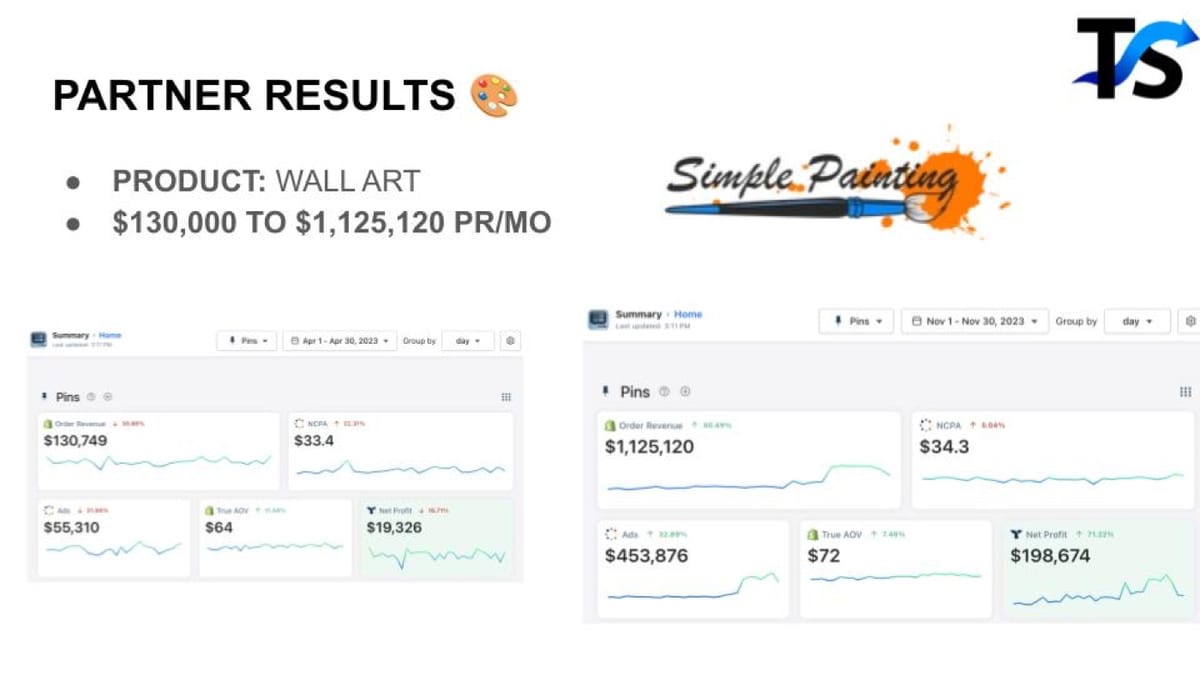
That's the whole game. And this article explains how it works.
What desire actually is
Desire is what people want. What people care about. What people give a damn about.
It sounds obvious. It isn't. Most brands talk about their product — its features, how it was made, what it does. None of that is desire. Desire is what the person on the other side of the screen is trying to achieve, independent of your product.
Here's how to think about it concretely. It's late June. Summer is close. Here's what real people are actually desiring right now:
- Some people want to look slimmer for the beach.
- Some people want to make more money because they're trying to travel and afford flights.
- Some people want to sleep 8 hours a night without waking up in the middle.
- Some people want more energy so they can work 12, 14, 16 hours a day without getting tired.
That's desire. It has nothing to do with your product yet. It's the state someone is trying to move toward — the version of life they're trying to reach.
At a basic level, your product is what gets people what they desire. But if your ad never shows them the desire — if it just shows them your product — you've skipped the part that makes people click.
The Bridge Framework


Here's the mental model that makes everything else in this playbook click.
Imagine a bridge.
On the left side of the bridge is where someone is RIGHT NOW. Their current state. Their problem. Their pain. The thing that's not working in their life.
On the right side of the bridge is where they WANT TO GO. Their desired state. What they're trying to achieve. The version of their life they're working toward.
Your product is the car that takes them across that bridge.
And your ad — specifically — shows them what's on the other side. It calls out what they want. Then it shows them how your product gets them there.
This order matters. You don't introduce your product first. You show them the right side of the bridge first. Make them see it, feel it, want it. Then you introduce the car.
A concrete example
Here's how this plays out with a real ad.
Take a testosterone product. The target buyer is a guy who has low testosterone. He can't perform the way he used to. He's watching other men who seem full of energy and drive and he's thinking: I want to be like that.
That's his desire. That's the right side of his bridge.
His current state — left side — is low energy, poor performance, frustration. He's not happy there. He wants to cross.
An ad built on this framework doesn't open with "Introducing [Product Name], a clinically-formulated testosterone support supplement." It opens by showing him the right side of the bridge. Then, once he's nodding, once he recognizes himself in that picture, the product enters as the vehicle.
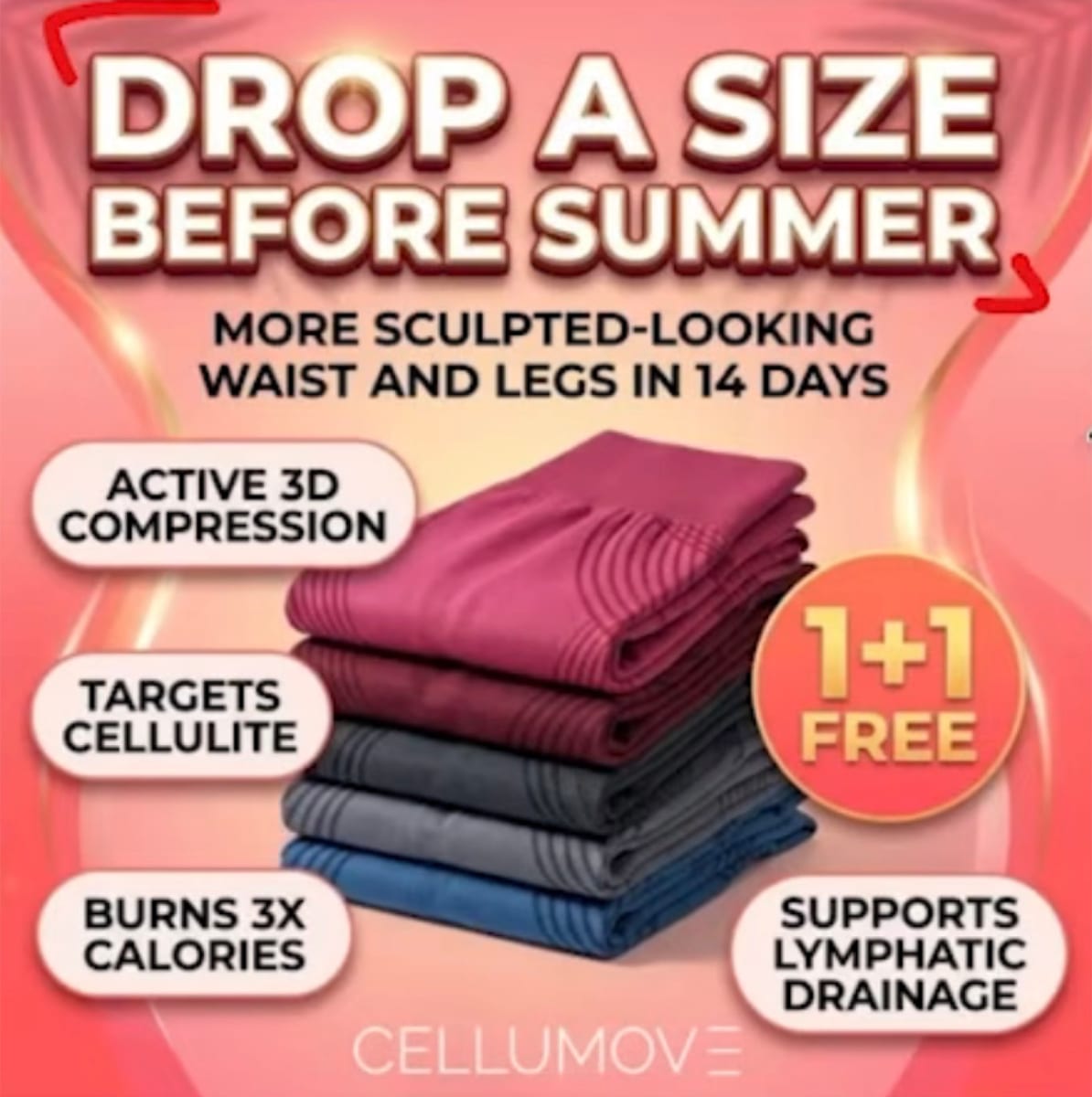
One real ad example that demonstrates this perfectly:
"Drop a size before summer."
That's the desired state in five words. That's what the buyer actually wants — a smaller pant size. Not a weight loss supplement. Not a calorie-deficit system. A smaller pant size.
Then the ad goes further: "More sculpted look, waist and legs in 14 days."
More specificity on the desired state. More detail on what the right side of the bridge looks like. And notice: the product hasn't been mentioned at all yet. Only what the person wants.
Features and benefits come after. First you call out the desire.
The Feature-to-Desire chain: your product breakdown exercise
Most brands stop at features or benefits. They don't make it all the way to desire. Here's how to close that gap.
Apple did this with the original iPod. This is the most-cited example in marketing for a reason — it works.
- Feature: 1 GB of storage
- Performance: Holds 1,000 songs
- Benefit: 1,000 songs in your pocket
- Desire: The freedom to walk around anywhere — the subway, the streets, with friends — listening to your favorite music all day long, without carrying a big clunky CD player
See what happened? They started with the feature and kept asking "so what?" until they got to what people actually give a damn about.
And notice what Apple did with the advertising: they didn't just say it. They showed it. People walking around New York City. White earbuds. Freedom. Movement. Music everywhere. The desired state was visualized, not just described.
Visually showcasing the desired state is just as important as saying it.
Here's how to do this for your own product:
- Write down the main feature — what the product physically is or does
- Write down the performance — what that feature achieves mechanically
- Write down the benefit — what that performance means for the customer's life
- Write down the desire — what the customer is ultimately trying to achieve or become or feel
Keep asking "so what?" at each level until you get somewhere emotionally real. "1 GB of storage" is not emotionally real. "Freedom to take your music everywhere" is.
Do this manually before using any AI tool. The process of working through it yourself builds the conviction you need to write the positioning — and it'll catch nuances that AI will miss.
Why this framework is the unlock

Most ad scaling advice focuses on the mechanics: campaign structure, bidding strategies, creative formats, audience targeting. None of that is wrong. But all of it is downstream of one question:
Are you calling out a desire that people actually have, at a size and intensity that can support the revenue you want?
If the answer is no, no amount of creative testing or campaign optimization fixes the problem. You can have perfect campaign structure and lose money. You can have sloppy structure and make a lot of money, if the desire is right.
The paint by numbers case study makes this undeniable. Nothing changed except the desire. And revenue grew 8x.
That's the starting point. Everything else in this playbook — intensity levels, seasonal timing, research methods, AI-powered copy — is built on top of this foundation. Get the desire right first. Everything else becomes easier.
The checklist
- Map your product using the Feature → Performance → Benefit → Desire chain — do this manually before touching any AI tool
- Ask "so what?" at each level until you reach something emotionally real, something the buyer actually gives a damn about
- Write your ad in Bridge Framework order — current state first, desired state second, product third
- Call out the desire before introducing the product — don't open with your brand or product name
- Show the desired state visually, not just in copy — the iPod ads showed people walking around with earbuds, not a spec sheet
- Stop leading with features — nobody's desired state is "1 GB of storage"
- Test whether your current hook calls out a desire or describes a product — if it describes your product, rewrite it
Next: [One Product, Many Markets — How to Find the Desire That Actually Scales →](02-desire-market-size.md)