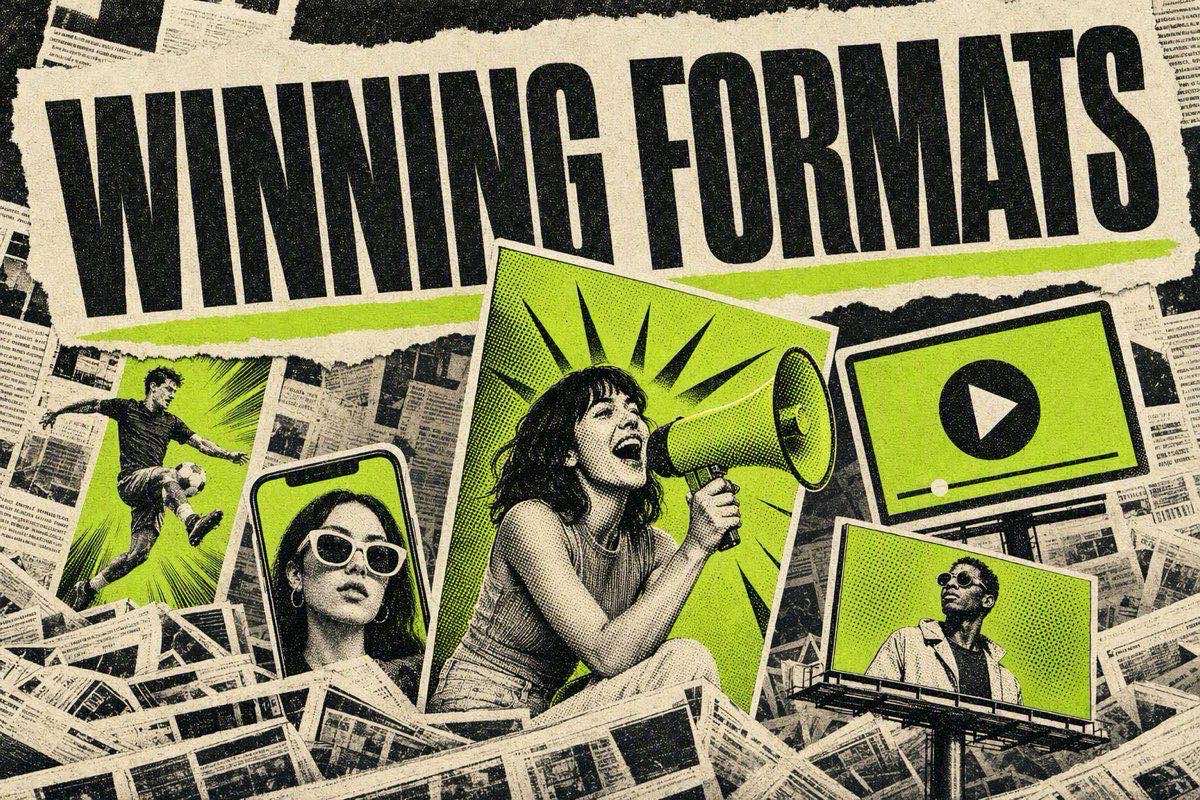
A winning ad format is a repeatable creative structure, not a single ad. You spot one when three or more unrelated advertisers keep running the same shape of ad (same hook pattern, same reveal, same visual grammar) and those ads stay live for weeks. The edge is not building the ad. It is recognising the format early and adapting it to your product before it saturates and stops working.
This is a different skill from copying a competitor's ad. One ad is an anecdote. A format is the pattern a whole category is rewarding right now, and that is what deserves your attention.
Why format-spotting beats chasing individual ads
Most media buyers research ads one at a time. They screenshot a competitor's creative they liked, brief a near-copy, and wonder why it flops. It flops because that specific ad was tuned to that brand's audience, offer, and proof, none of which carry over to yours.
What transfers is the format. Say you notice the top performers in your category have all moved to a native comment-card testimonial. The finding is not "copy that ad." It's that the category is currently rewarding creative that looks like a peer's organic post instead of a brand announcement. That insight rebuilds your whole creative pipeline. One lifted ad rebuilds nothing.
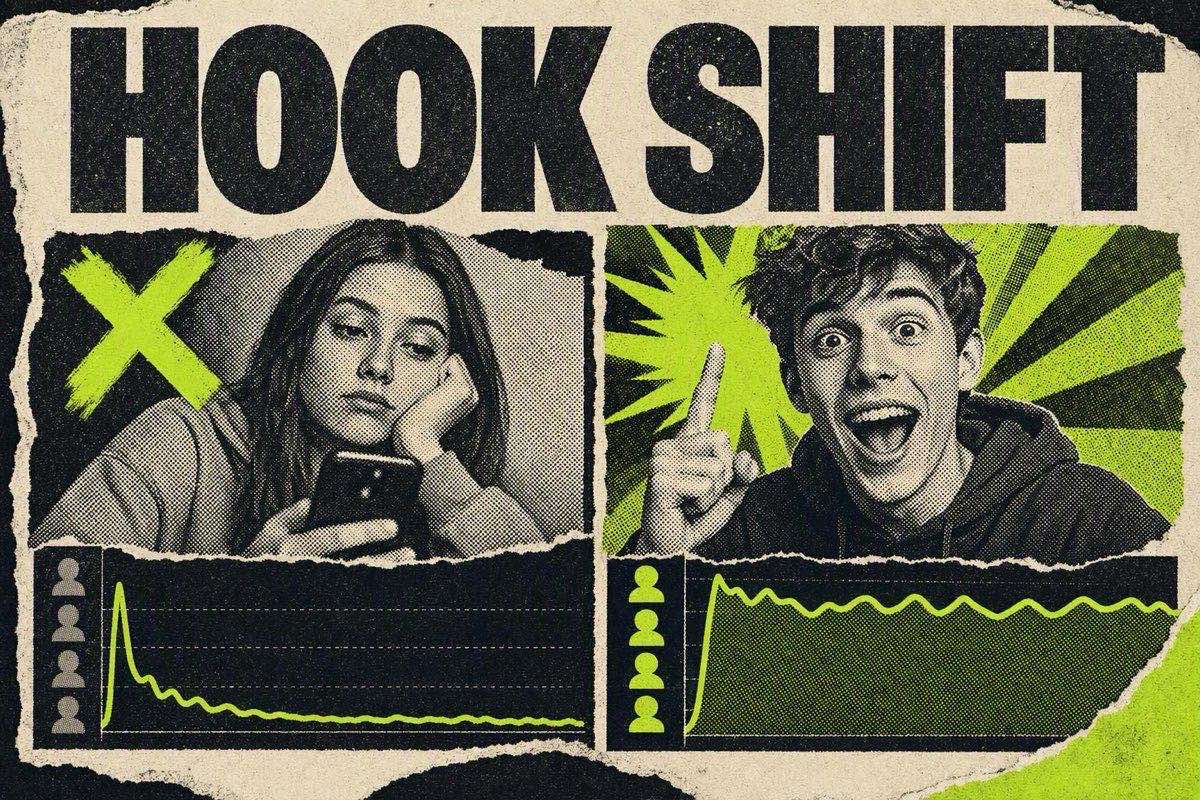
Formats also have a shelf life, and that is why speed matters. A format works because it breaks a pattern the viewer has learned to skip. Once every brand in a feed runs the same structure, the disruption is gone and performance decays. The early adopters capture the cheap attention. The late ones pay a fatigue tax for a format the audience already tunes out.
The signal: what a real format looks like

A trend is not a format. "Video is up" is a trend. A format is specific enough to brief from. Three tests separate a real, capturable format from noise:
- Watch for the same structure across unrelated brands. One brand doing something is a test. Three brands in different categories doing the same structural thing is a format the market has validated.
- Check whether it survives. An ad still running after a month is an ad that is still working. Nobody keeps paying to serve a hook that flopped in week one. Long-running ads in the same shape are the strongest signal a format has legs.
- Name the mechanism in one sentence. "Problem-state on the left, resolved-state on the right, specific timeframe" is a format. "Cool skincare ad" is not. If you cannot state the mechanism, you cannot reproduce it.
Where to look
You do not need a paid intelligence tool to find formats. Three free surfaces cover most of it:
- Start with the Meta Ads Library. Pull three to five competitor Pages, filter to your country, and note which ads have clearly been running longest. Those survivors are where formats hide. Search by advertiser rather than keyword, so you see the angles a brand tests on audiences unlike you instead of only the ads it retargeted you with.
- Next, our Trend Radar. We track which creative formats are scaling, with the mechanism and the execution notes written out, so you are not reverse-engineering from screenshots.
- Then your own feed, watched with intent. Set aside a short block to scroll your category's ads deliberately, looking for structural patterns rather than entertainment. When three unrelated creators use the same reveal, you have found something.
Ad formats worth watching right now
These are formats earning attention right now across categories. Each links to the full breakdown, with execution steps and the platform-policy cautions.
- [Before/after hooks](/trends/before-after-hook-format). A decades-old direct-response staple that still converts, but the 2026 execution has moved from a blunt two-panel label to specific timeframes ("after 30 days"), customer-submitted proof, and sound-on video reveals. Meta's own Ad Creative Best Practices note that transformation creative performs well in the consideration phase because it answers the exact question a buyer is asking.
- [Native, organic-style ads](/trends/native-organic-style-ads). Creative built to look like a shared post, a review screenshot, or a handheld clip rather than a polished brand asset. It works by not tripping the viewer's ad-skip filter in the first half-second. A Kantar and Meta creative-effectiveness study found ads that "fit in with other content" scored higher on recall and engagement than those perceived as promotional (summarised in Meta's Creative Best Practices guide).
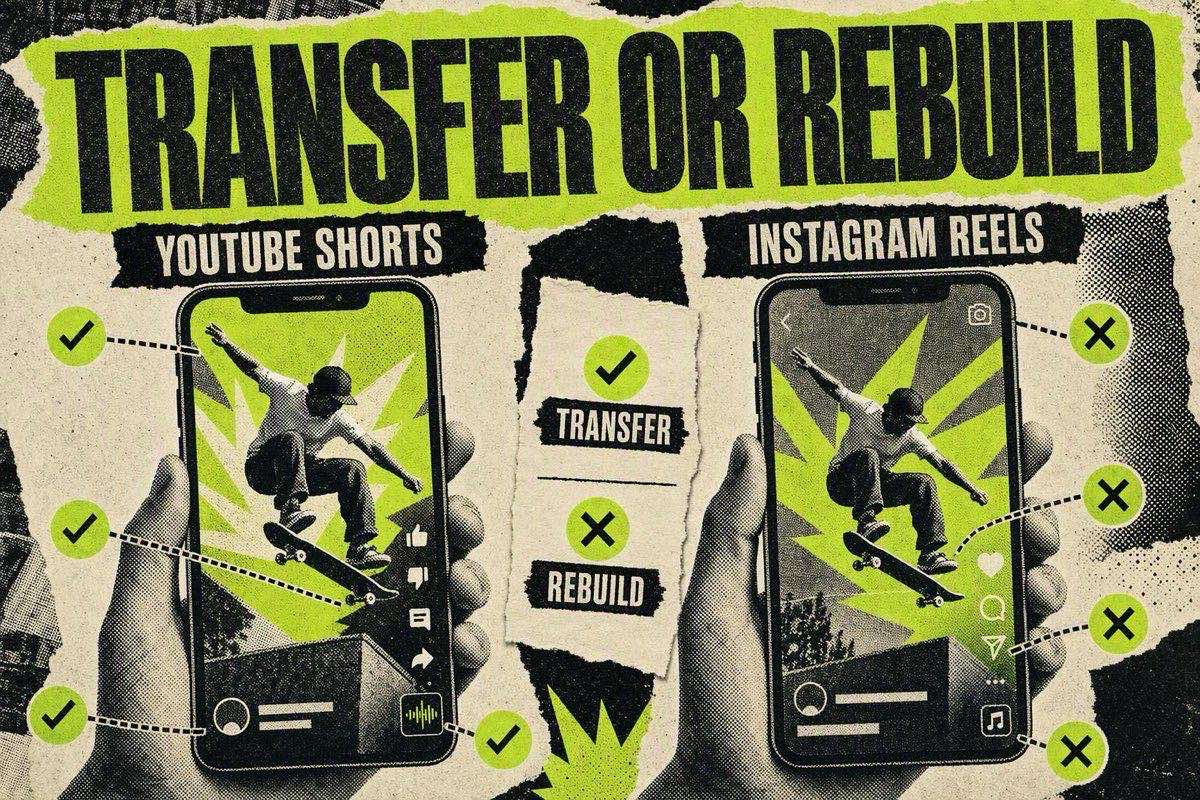
- [Faceless creator ads](/trends/faceless-creator-ads). Hands, voiceover, and product, no on-camera presenter, scaling on Instagram Reels and YouTube Shorts because they are fast and cheap to produce in volume.
- [Meme-style ads](/trends/meme-style-ads). Native-feeling humour that earns high hook rates for the brands whose voice can carry it.
- [Long-form VSL static ads](/trends/long-form-vsl-static-ads). The video sales letter logic rebuilt as a long static, making a comeback where the argument needs room.
- [AI-generated UGC](/trends/ai-generated-ugc-ads). Synthetic creators used to test hooks and angles cheaply before committing budget to human production.
Note what none of these are: a specific ad you copy. Each is a structure you fill with your own product, proof, and offer.
How to adapt a format without copying an ad
Once you have named the format, your job is to reproduce the mechanism, not the creative. A repeatable process:
- Write down the mechanism in one sentence. Not "I like this ad," but "this format opens on the problem in motion, then cuts to the result with a specific timeframe."
- Map it to your product's real proof. The before/after format needs a visible change you can actually show. The native format needs a real customer quote. If your product cannot honestly supply what the format demands, it is the wrong format for you.
- Rebuild the hook for your audience. Same structure, your specific pain point, your language. Pull an opener from real examples in our ad teardowns or draft a batch with the free AI hook generator.
- Test the format against your current control, changing one variable at a time so you can attribute the result.
- Build a small library in that format before it fatigues, so you have refreshes ready when the winner starts to decay.
Don't aim for one clever ad. Find the mechanism the category is rewarding right now and run your own creative through it while the window is open.
FAQ

What is a viral ad format?
A viral ad format is a repeatable creative structure that several advertisers pick up because it keeps earning attention: before/after reveals, native screenshot-style testimonials, faceless creator videos. It describes how an ad works rather than one specific ad, and that is what lets you rebuild it around your own product.
How do I know if an ad format is actually working?
The most reliable free signal is survival. An ad still running after a month is one the advertiser is still paying to serve, so it is still converting. Open the Meta Ads Library, filter to your country, and look for the competitor ads that have clearly been live longest instead of the ones that are newest.
Should I copy a competitor's winning ad?
Copy the format, not the ad. A specific ad is tuned to that brand's audience, offer, and proof, and none of that carries over to you. What you can reuse is the structure underneath: the hook pattern, the reveal, the visual grammar. Rebuild that with your own product and your own evidence.
How fast do ad formats saturate?
There is no fixed number, but formats decay as more people adopt them, because they work by breaking a pattern the viewer has learned to skip. Once a format is all over the feed, the surprise is gone and performance drops. That is why catching a format early and refreshing your creative library often matters more than any single ad.
Spot the format, then own it
The advantage in ad creative is not access to a competitor's ad. Anyone can see those in the Meta Ads Library. It comes from spotting the format early, working out the mechanism, and rebuilding it with your own proof before the window closes.
Watch the Trend Radar for what is scaling, keep a swipe file organised by mechanism, and turn each format into a batch of hooks with the free AI hook generator. One new winning hook breakdown lands in the newsletter every week.
The AI Ad-Making Kit
$99Make hyperreal AI video and image ads for any brand, with free AI tools. No camera, no agency.
- 10 modules
- 300+ hooks
- 500+ prompts
Canva ad templates, free.
Proven D2C ad layouts. Swap in your product, export, launch.
Browse templates →Want to act on what you just read?
Browse 3,400+ free, Canva-ready ad templates sorted by industry. One click to open, five minutes to customise.
Browse Free Templates