The brands that keep winning on paid creative do not treat each ad as a bet on one great idea. They run creative as a testing system: pick a format that fits the product, produce variations at volume, let the data pick the winner, then keep iterating on that winner instead of chasing a new concept. From the outside it looks like luck. It is a process, and it is the discipline that makes creative reliable instead of a gamble.
This sits above the individual tactics. The six-step AI video ad workflow is how you produce and test a single ad; spotting winning ad formats is how you pick which format to run. This is how you think about the whole program once those two are in place.
Why volume beats genius
You cannot reliably predict which ad will win. Teams that accept this stop trying to predict and build a system that finds winners by testing rather than guessing.
The math is public. As one AI-video creator described the current cadence, "ad creative fatigues in 2 to 3 weeks, not months," and "to find one winner, brands test 20 to 30 variants a cycle," while "about half of brands are expanding ugc spend, roughly none are cutting" (@RetroChainer). Treat the exact ratios as one operator's numbers, but the direction is what matters: winners come out of a batch of many, not chosen in advance from one. A team that ships one ad and hopes is playing a worse game than a team that ships ten and reads the data.
This reframes the job. The scarce skill is not producing the one perfect ad. It is running a system that can produce and evaluate many, cheaply enough that testing 20 to 30 variants is a normal week rather than a quarterly event. AI generation is what makes that volume affordable, which is why it changed the workflow.
The discipline, in four rules

1. commit to one format, then work inside it
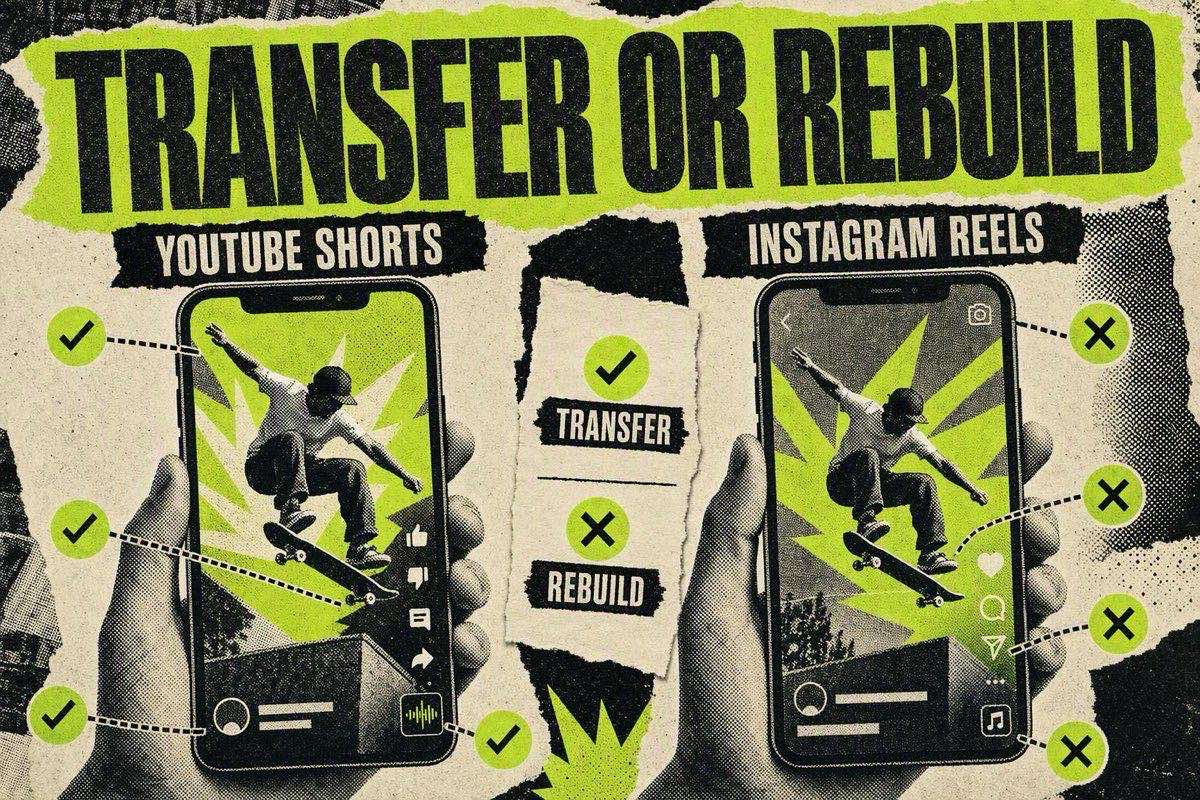
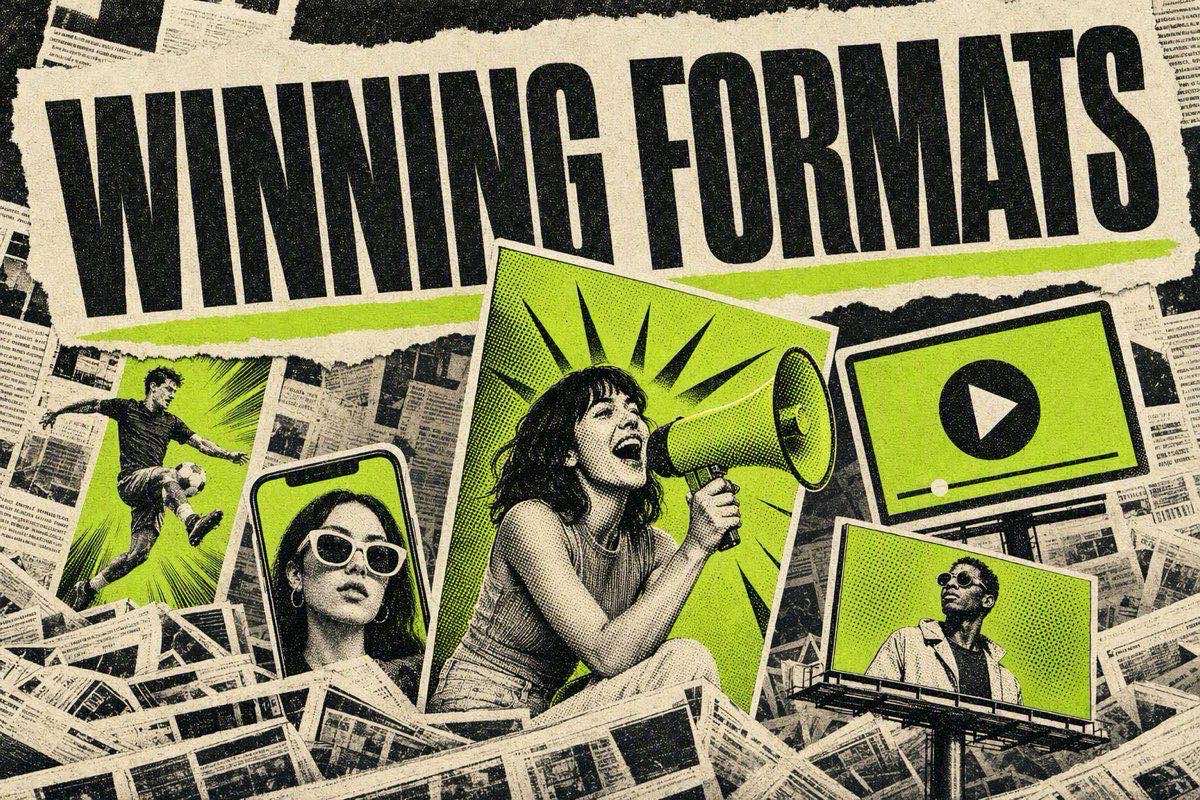
A format is a repeatable structure: the before/after reveal, the native testimonial, the demo. Pick one that fits your product and the proof you can honestly show, then produce inside it instead of reinventing the concept every week. Switch formats constantly and you never run enough tests within any one of them to learn what works. Format discipline is what makes the results readable.
2. ship more than feels comfortable
Assume most of what you make will not work, because it will not. That is not failure. It is the system working as designed. The point of volume is that you only need a small hit rate for the winners to pay for the losers many times over. Teams that agonise over each ad ship too few to find the winner. Teams that ship in volume find it faster and spend less getting there.
3. change one variable per test
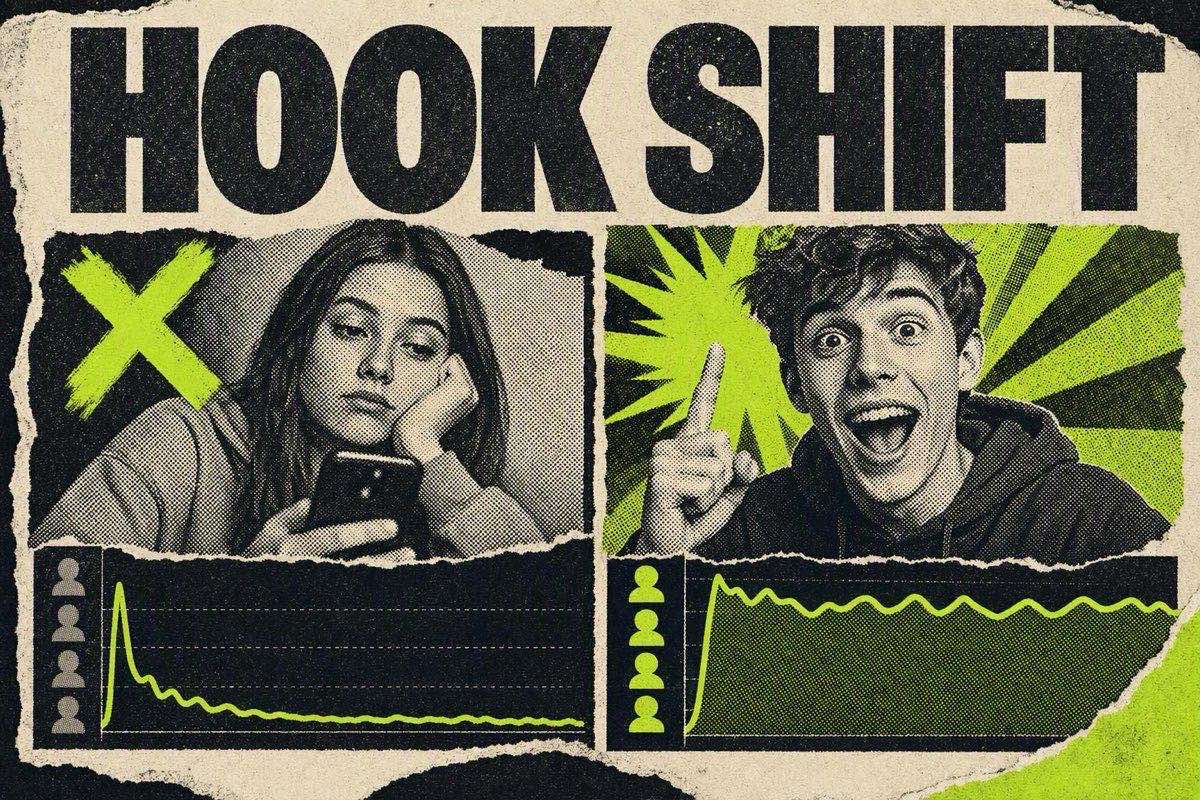
The whole system depends on being able to attribute a result to a cause. Change the hook and the visual and the offer at once, watch performance move, and you have learned nothing you can reuse. Hold the body constant and test the opening line. Hold the format constant and test the offer. One clean variable per test is what turns a batch of ads into knowledge.
4. double down on winners, do not chase novelty
This is the rule most teams get backwards. When an ad wins, the instinct is to celebrate and move on to a fresh idea. The disciplined move is the opposite: make more of the winner. Produce variations of the ad that worked. The audience that saw it is a fraction of the reach still available, and a proven structure is far more likely to win again than an untested new concept. Novelty feels like progress. Iterating on a winner is progress.
Kill your darlings on schedule
Two things have to die on time for the system to keep working.
The first is the clever creative you're attached to that the data doesn't support. The transition you spent an hour on, the copy point only you appreciate: if it doesn't improve the outcome, it goes. Iteration speed beats individual polish, and staying attached to one execution will stall a testing system.
The second is the winner itself, eventually. Creative fatigues, and on the current cadence that happens in weeks, not months. So generate the next batch of variants before the current winner starts to decline, not after. React only to fatigue and you're always a step behind. Expect it, and the next test is already lined up.
What this is not

This is about paid creative testing, and it helps to be clear about the edges. It doesn't mean spamming low-quality ads: a clean test still needs each variant to be a real execution of the format. It won't rescue a weak angle either, because volume on a bad idea only finds the least-bad version of a losing concept. And it isn't organic-growth advice repackaged for ads. The point is narrow. Once you have a format worth running, the winning move is to run it as a system instead of gambling on the next idea.
FAQ
How many ad variations should I test at once?
There is no fixed number, but practitioners describe running 20 to 30 variants per cycle to surface a single winner. You find winners in a batch, you don't predict them in advance. Ship as many legitimate variations of one format as you can produce and judge cleanly, instead of betting a budget on one or two.
Should I make a new ad or iterate on a winning one?
Iterate on the winner first. The audience that saw a winning ad is a small fraction of your reach, and a proven structure is far more likely to win again than an untested concept. Make variations of what worked before you reach for a fresh idea.
How do I know which change caused a result?
Change one variable per test. Hold the format, body, and offer constant and test only the opening line, or hold everything else and test only the offer. If more than one element changes and performance moves, you cannot say what caused it, and you have not learned anything you can reuse.
How fast does ad creative fatigue?
On the current cadence, operators describe creative fatiguing in roughly two to three weeks rather than months. So have your next batch of variants ready before the current winner declines, and the system never stalls waiting for the next test.
Winners come from testing, not from picking the one great idea. Pick one format, ship volume, change one thing at a time, and iterate on what works. Generate the variations fast with the free AI hook generator, run the production loop with the six-step video ad workflow, and get one new winning ad breakdown in your inbox every week with the HookAds newsletter.
The AI Ad-Making Kit
$99Make hyperreal AI video and image ads for any brand, with free AI tools. No camera, no agency.
- 10 modules
- 300+ hooks
- 500+ prompts
Canva ad templates, free.
Proven D2C ad layouts. Swap in your product, export, launch.
Browse templates →Want to act on what you just read?
Browse 3,400+ free, Canva-ready ad templates sorted by industry. One click to open, five minutes to customise.
Browse Free Templates