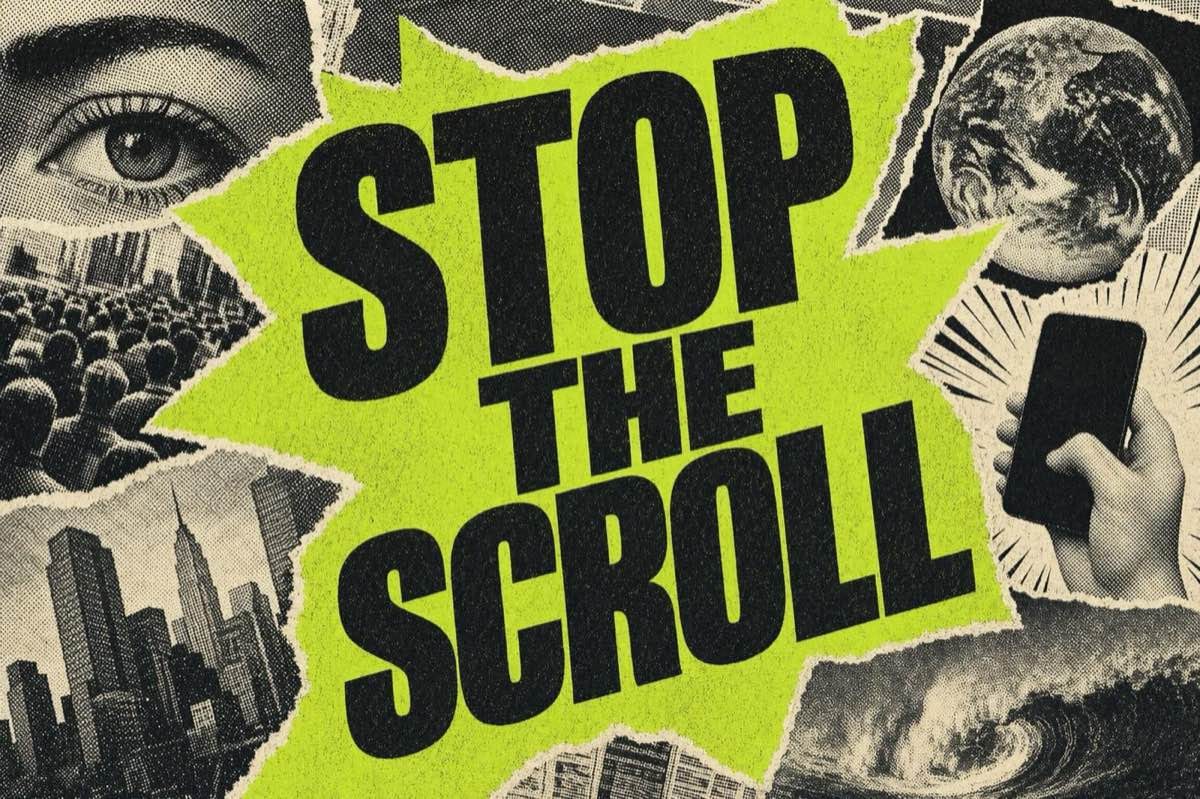
A scroll-stopping marketing hook works because it hijacks a specific, well-documented mental shortcut, not because it's clever or catchy. Four mechanisms explain almost every hook that outperforms: the brutally short attention window mobile feeds create, the pattern interrupt that breaks autopilot scrolling, the curiosity gap that makes an unanswered question feel uncomfortable, and loss aversion, which makes the fear of missing something outweigh the promise of gaining it. Understanding the mechanism is what lets you build new hooks instead of running out of templates.
The Attention Window a Hook Has to Work Inside
Meta's own feed research found that people spend an average of just 1.7 seconds with a piece of content on mobile, compared to 2.5 seconds on desktop. That is not a soft estimate, it is the number Meta itself uses internally to explain why the opening frame and first line of an ad decide almost everything else about its performance.
The underlying biology backs up how short that window really is. An MIT study on visual processing found the human brain can identify an image seen for as little as 13 milliseconds, meaning a viewer has already formed an impression of your ad before they've consciously decided to look at it. By the time a thumb finishes one scroll gesture, the stay-or-go decision has effectively already been made.
This is why a hook can't be thought of as "the first three seconds of the video." It's the opening frame and the first line of text, working as a single unit, competing for a window measured in fractions of a second, not seconds.
Pattern Interrupts: Why Breaking a Pattern Grabs Attention
A pattern interrupt works because scrolling a feed is a mostly automatic behavior. The brain runs on autopilot through a stream of familiar-looking content (a post, an ad, a friend's photo, another ad) and autopilot processing is, by design, shallow. It filters for anomalies, not depth.
A hook that breaks the expected pattern (a jump cut, an unexpected first frame, a sentence that doesn't sound like ad copy) forces a brief switch from automatic to deliberate processing. That switch is the entire mechanism: the brain briefly stops predicting what comes next and starts actually looking, because something didn't match the pattern it expected.
Three ways this shows up in ad creative:
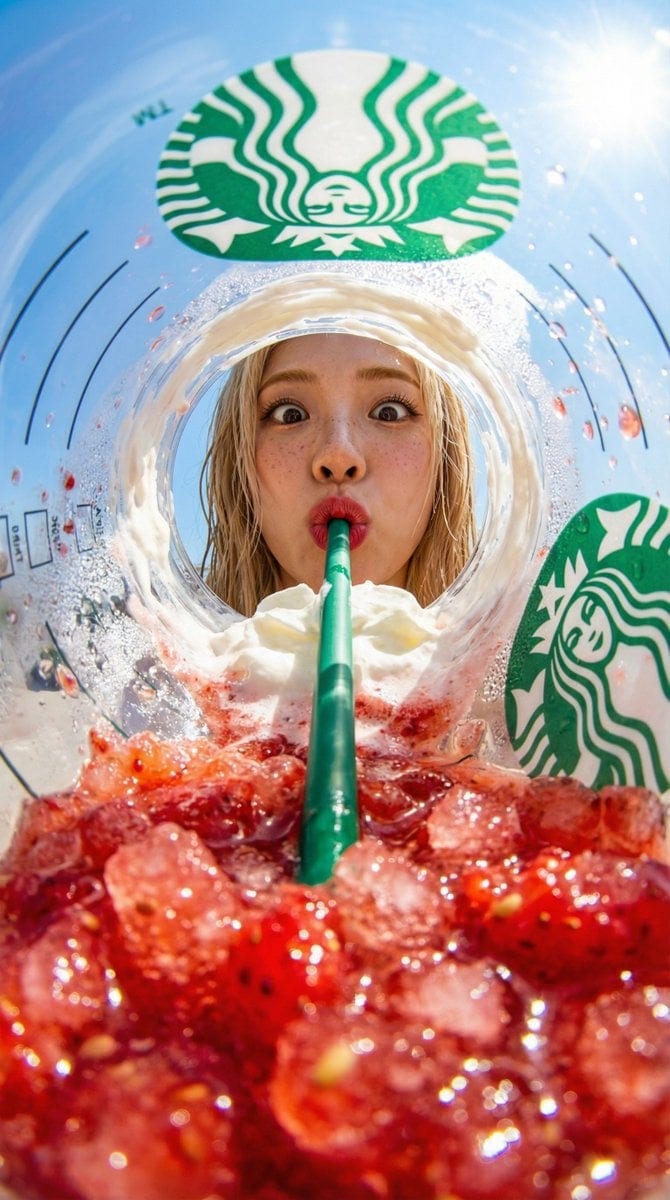
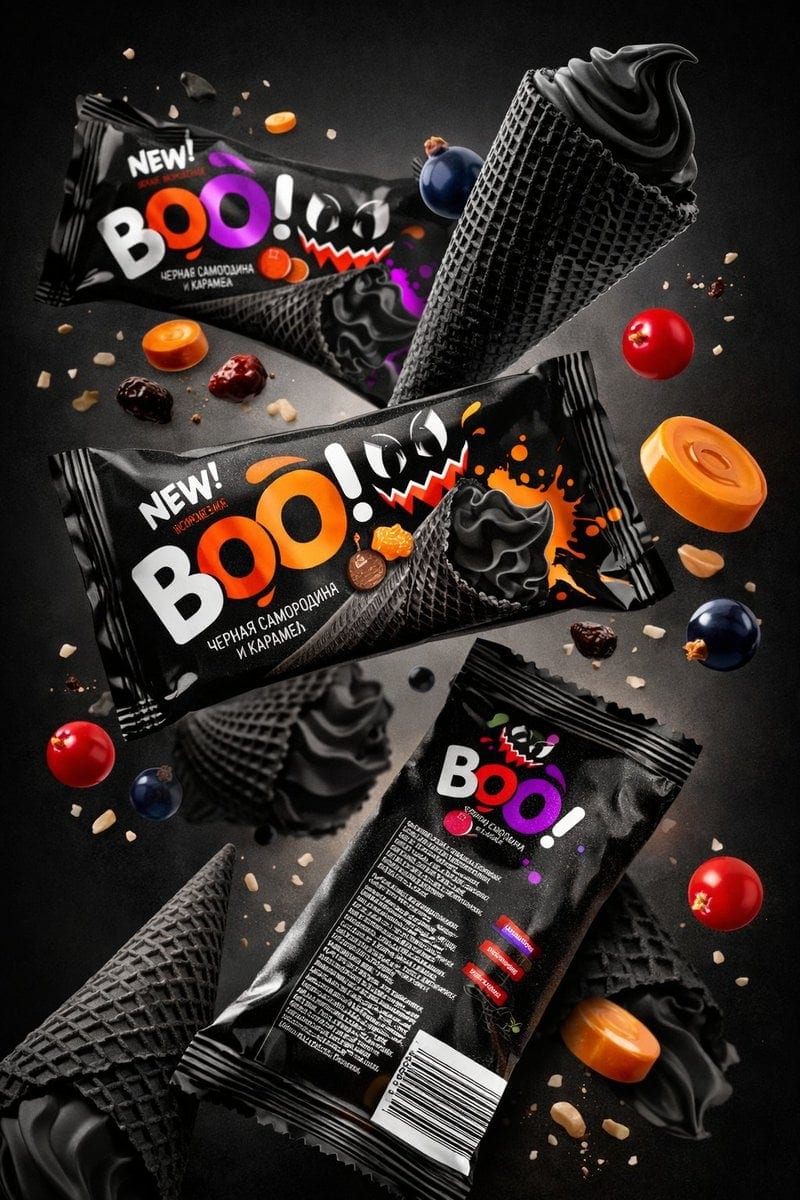
- Visual pattern interrupts. A close-up on an object instead of a face, an unusual color contrast, footage that looks unpolished next to a feed of polished content. The mismatch with what's expected is what earns the extra half-second of attention.
- Verbal pattern interrupts. A sentence that opens mid-thought, or that contradicts an assumption the viewer didn't know they were making ("It wasn't my skincare"). It breaks the pattern of how ad copy normally opens.
- Structural pattern interrupts. Cold open with no logo, no branding for the first several seconds, so the ad doesn't visually announce itself as an ad before the hook has landed.
The risk with pattern interrupts is that novelty fades with repeated exposure, the same interrupt shown to the same audience for the fifth time is no longer an interrupt. That's part of why hook variety across a testing set matters more than finding one hook that works forever.
Curiosity Gap Theory: The Psychology of an Open Loop

The curiosity gap has an actual academic origin. Psychologist George Loewenstein's information gap theory, first proposed in 1994, describes curiosity as a cognitively induced feeling of deprivation that shows up specifically when someone becomes aware of a gap between what they know and what they want to know.
The critical, counterintuitive part of the theory: complete ignorance does not create curiosity. A person who has never heard of a topic feels nothing. Curiosity requires partial knowledge, just enough to perceive a specific, bounded gap, which is exactly why "the $12 kitchen tool professional chefs don't want you to know about" works and "here's a secret" doesn't. The first names a specific, closable gap (a price, a group of insiders, an implied reason). The second names nothing, so there's no gap for the brain to feel motivated to close.
Loewenstein's research also found that a small amount of information acts as a priming dose that increases curiosity further, before eventually reaching a point of satiation where more information reduces it. That's the mechanic behind a hook that reveals just enough to make the reader need the rest: reveal too little and there's no gap at all, reveal too much and the curiosity is already satisfied before the click.
Loss Aversion: Why Losing Feels Worse Than Gaining Feels Good
Loss aversion comes out of prospect theory, the behavioral economics framework developed by Daniel Kahneman and Amos Tversky, for which Kahneman later won the Nobel Prize in Economics. The core finding: losses are felt roughly twice as intensely as equivalent gains. Losing $20 hurts more than finding $20 feels good, even though the dollar amount is identical.
Applied to ad hooks, this is why framing the same offer as an avoided loss consistently outperforms framing it as a gain, using identical numbers. "Don't lose the discount" tends to beat "Save 20%" with the same underlying math, because the first frames inaction as a loss and the second frames action as merely a nice-to-have gain.
The mechanism shows up in a few recognizable hook patterns:
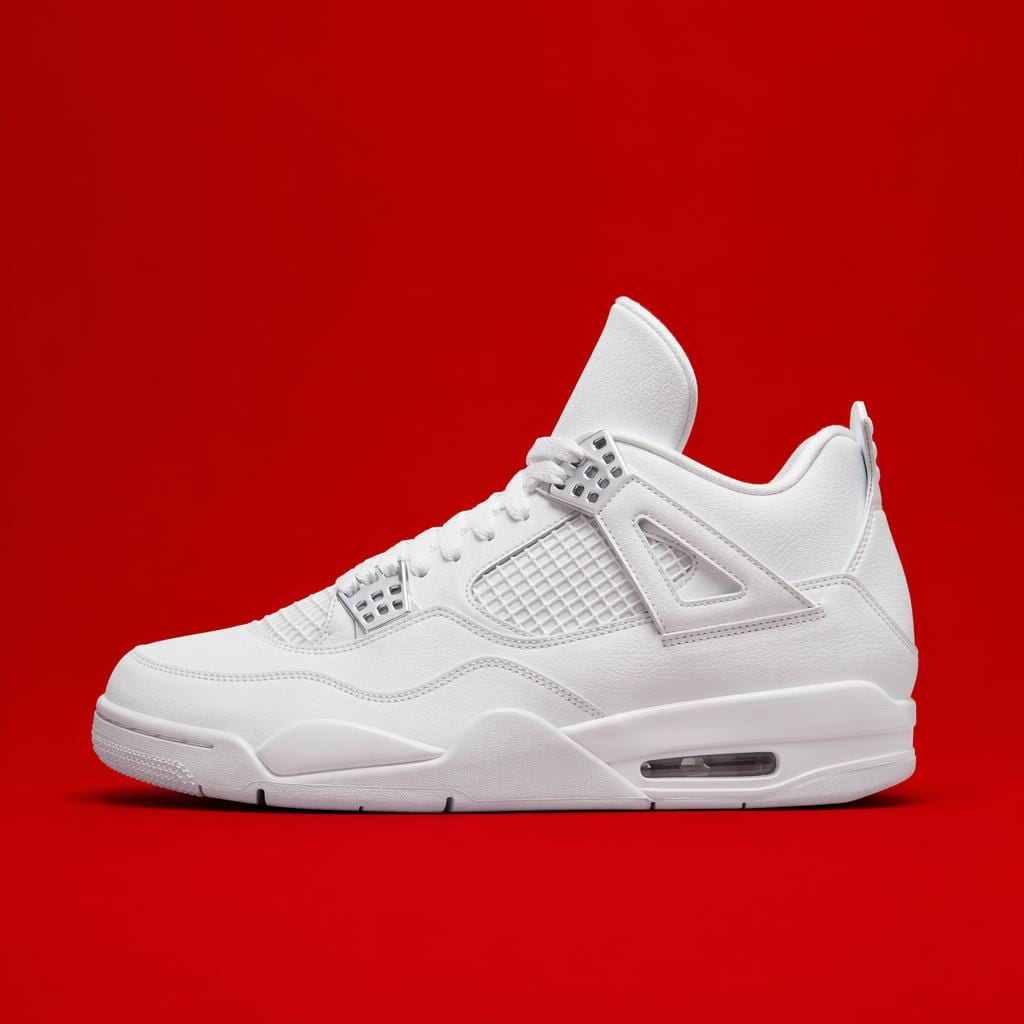
- The ongoing-loss frame. "The mistake that's quietly ruining your white sneakers" implies damage that's already happening, not a hypothetical future problem, which raises the felt cost of doing nothing.
- The scarcity frame. A real, verifiable deadline ("ends Sunday because the batch sells out") works because the loss is genuine. A fake countdown timer with no real scarcity behind it eventually gets recognized as manipulation and erodes trust in the brand's other claims.
- The retargeting frame. "If that tab's been open since Tuesday" names a specific loss-in-progress (an unclaimed thing sitting right there) rather than a generic reminder.
Social Proof: Why a Crowd Changes What Feels Safe to Do
Robert Cialdini formalized social proof in his 1984 book Influence: Science and Practice, naming it as one of six core principles behind why people say yes to a request. The definition is simple: people look to what others are doing to decide what's correct or safe to do themselves, especially under uncertainty.
Cialdini's hotel towel-reuse experiments are the most cited demonstration. Telling guests that most other guests in that specific room had reused their towels increased compliance more than a generic environmental appeal did, because the message reframed an individual choice as evidence of what people like them already do. The same mechanism is why a specific migration number ("47,000 switched last year") works better in a hook than a vague claim of popularity: the crowd has to feel real and specific for the brain to treat it as safety-relevant evidence.
A follow-up cross-cultural study Cialdini led found social proof was effective in both an individualist culture (the US) and a more collectivist one (Poland), but noticeably stronger in the latter, a reminder that the strength of this mechanism isn't fixed, it varies with the audience's own cultural baseline for how much weight they put on group behavior.
How These Four Mechanisms Work Together in a Single Hook
The best hooks don't use one mechanism in isolation, they stack two or three:
Example: "47,000 people switched off their old mattress last year. Here's what they figured out that you haven't yet."
- Social proof: the specific number implies a real, sizeable movement.
- Curiosity gap: "what they figured out" names a specific, bounded piece of missing information.
- Implied loss aversion: "that you haven't yet" frames the reader as currently behind, not just uninformed.
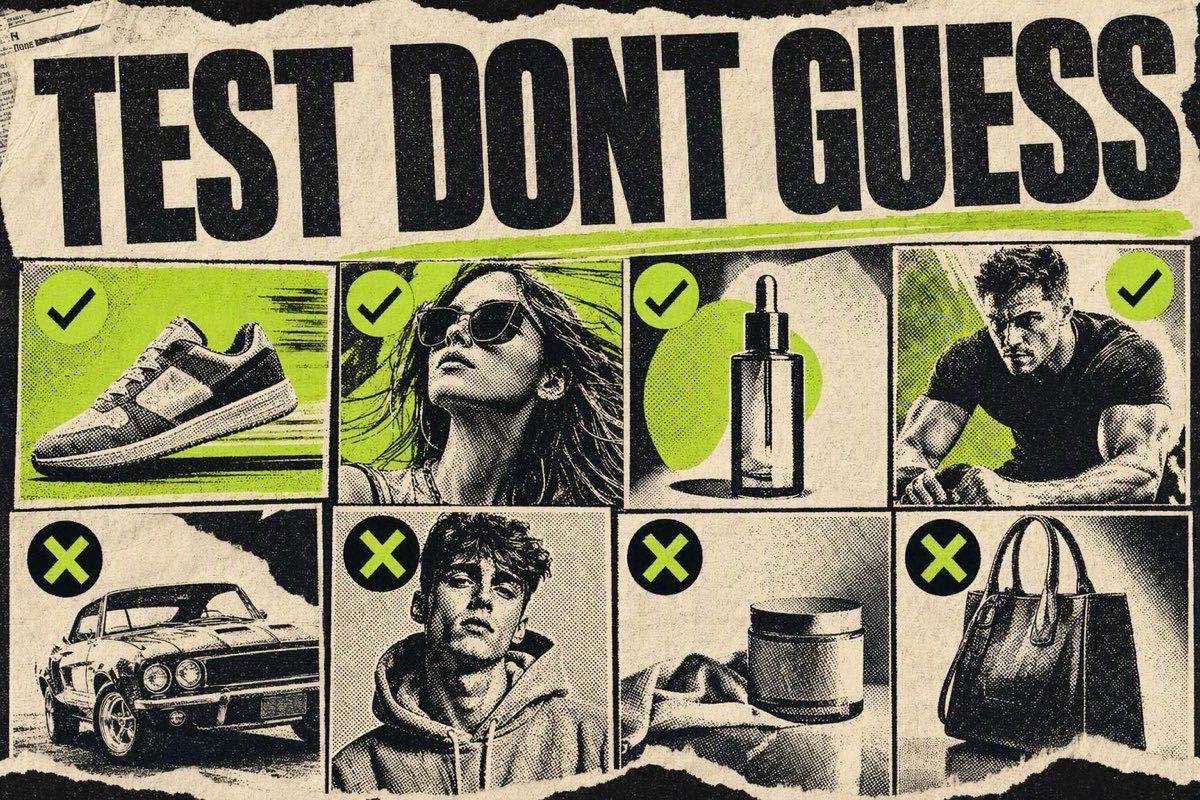
That stacking is the actual skill behind hook-writing, not a talent for clever phrasing. Once the four mechanisms are internalized, evaluating whether a hook will work becomes a checklist instead of a guess: does it fit inside the attention window, does it interrupt the expected pattern, does it open a specific gap, and does it make inaction feel like a loss.
For the trigger-by-trigger breakdown of what this looks like in practice, 25 real Facebook ad hook examples map each of these mechanisms to an actual hook line you can adapt. And the fill-in-the-blank version of the same triggers, built for e-commerce specifically, lives in 50 proven ad hook formulas.
Why Hooks Stop Working (And What to Do About It)

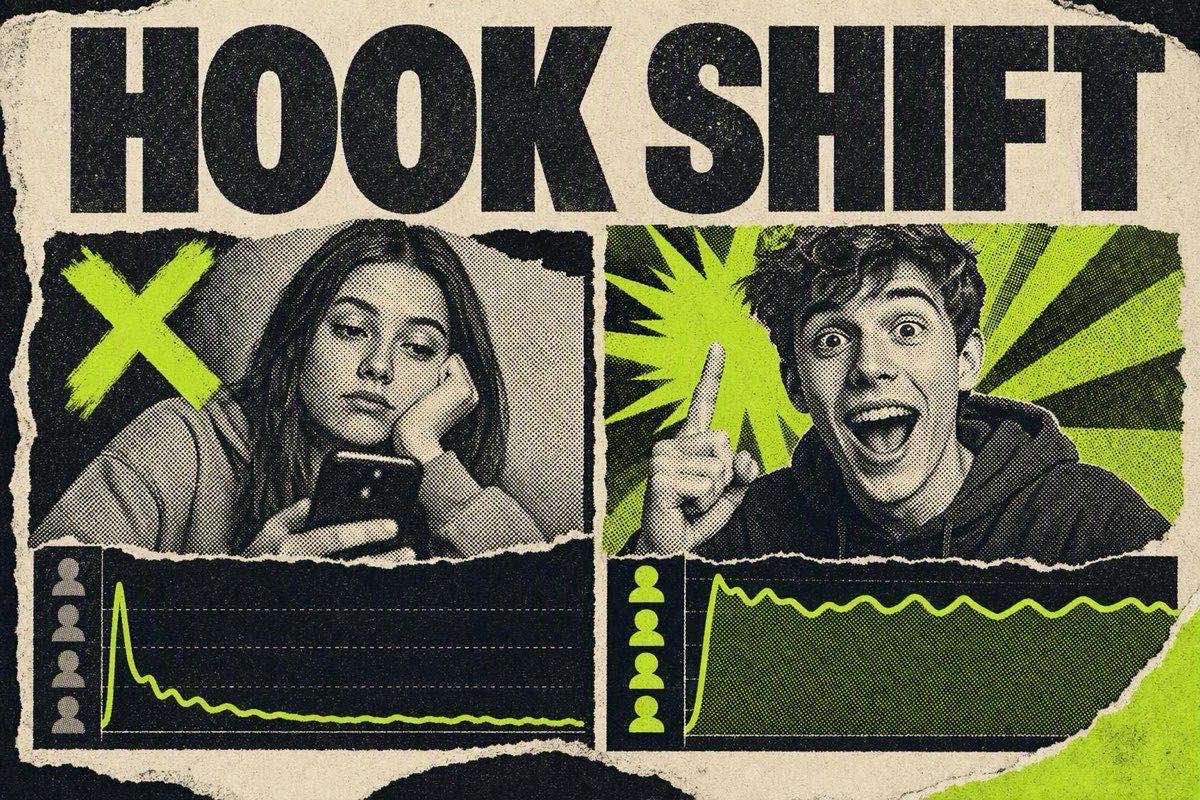
Every one of these four mechanisms depends on some element of surprise or scarcity, which means every hook has a shelf life. A pattern interrupt shown to the same audience for the tenth time is no longer an interrupt, it's the new pattern. A curiosity gap the audience has already seen closed elsewhere isn't a gap anymore. This is why hook fatigue is a real, predictable phenomenon, not a sign that hooks in general stopped working.
The fix isn't finding one hook that lasts forever, it's testing several mechanisms in parallel and rotating in a new one before the current winner's performance decays. Our AI hook generator can draft variants across all four mechanisms from a single product description, which makes rotating faster than writing each one from scratch by hand.
FAQ
What makes a marketing hook psychologically effective?
An effective hook triggers a specific, well-studied mental mechanism, an attention-grabbing pattern interrupt, an open curiosity gap, an implied loss, or social proof from a crowd, inside the roughly 1.7-second window a mobile viewer gives new content before deciding whether to keep watching.
Is the curiosity gap the same as clickbait?
Not when it's done honestly. Clickbait opens a gap the content never actually closes, which destroys trust the moment the reader clicks through and finds nothing. A legitimate curiosity-gap hook opens a real, specific gap that the ad or the linked content actually resolves.
Why does loss aversion work better than a discount framed as a gain?
Behavioral economics research from Kahneman and Tversky's prospect theory found that people feel a loss roughly twice as intensely as an equivalent gain. Framing an offer as something the reader stands to lose, rather than something they'd merely gain, taps into a psychologically stronger reaction using the same underlying numbers.
How long can a single hook keep converting before it needs to change?
There's no fixed number, it depends on audience size and ad frequency, but performance typically declines once the same audience has seen the ad enough times for the pattern interrupt or curiosity gap to stop feeling novel. Watching frequency and CTR together, rather than a fixed calendar schedule, is the more reliable signal for when to rotate.
Do these psychological mechanisms work the same way on Instagram Reels and YouTube Shorts as on Facebook Feed?
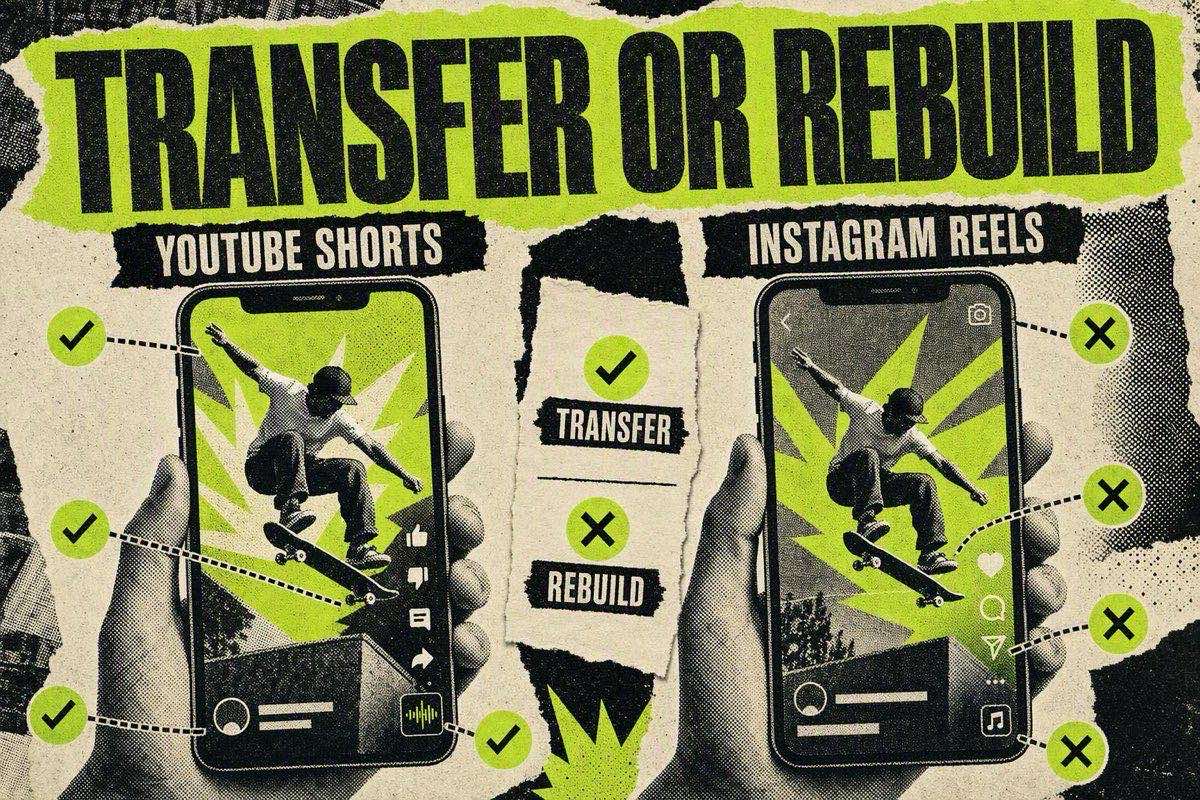
Yes, the mechanisms are platform-agnostic because they're rooted in attention and cognition, not in any one platform's algorithm. What changes is execution: Reels and Shorts reward hooks delivered as spoken lines with on-screen captions in the first frame, while Feed placements lean more on the primary-text line doing the same job.
Build Hooks From the Mechanism, Not the Template
Templates run out. Mechanisms don't. Once you can name which of these four levers a hook is pulling, curiosity gap, pattern interrupt, loss aversion, or social proof, you can build a new one for any offer instead of waiting for inspiration.
Browse 1,500+ free AI ad prompts built around these exact triggers, study how each mechanism shows up in real ads in the teardown library, and grab the ready-to-use versions in 50 proven ad hook formulas. One new winning hook breakdown lands in the newsletter every week.
The AI Ad-Making Kit
$99Make hyperreal AI video and image ads for any brand, with free AI tools. No camera, no agency.
- 10 modules
- 300+ hooks
- 500+ prompts
Canva ad templates, free.
Proven D2C ad layouts. Swap in your product, export, launch.
Browse templates →Want to act on what you just read?
Browse 3,400+ free, Canva-ready ad templates sorted by industry. One click to open, five minutes to customise.
Browse Free Templates