AI actors in ads are legal on Meta, but only with the right disclosure
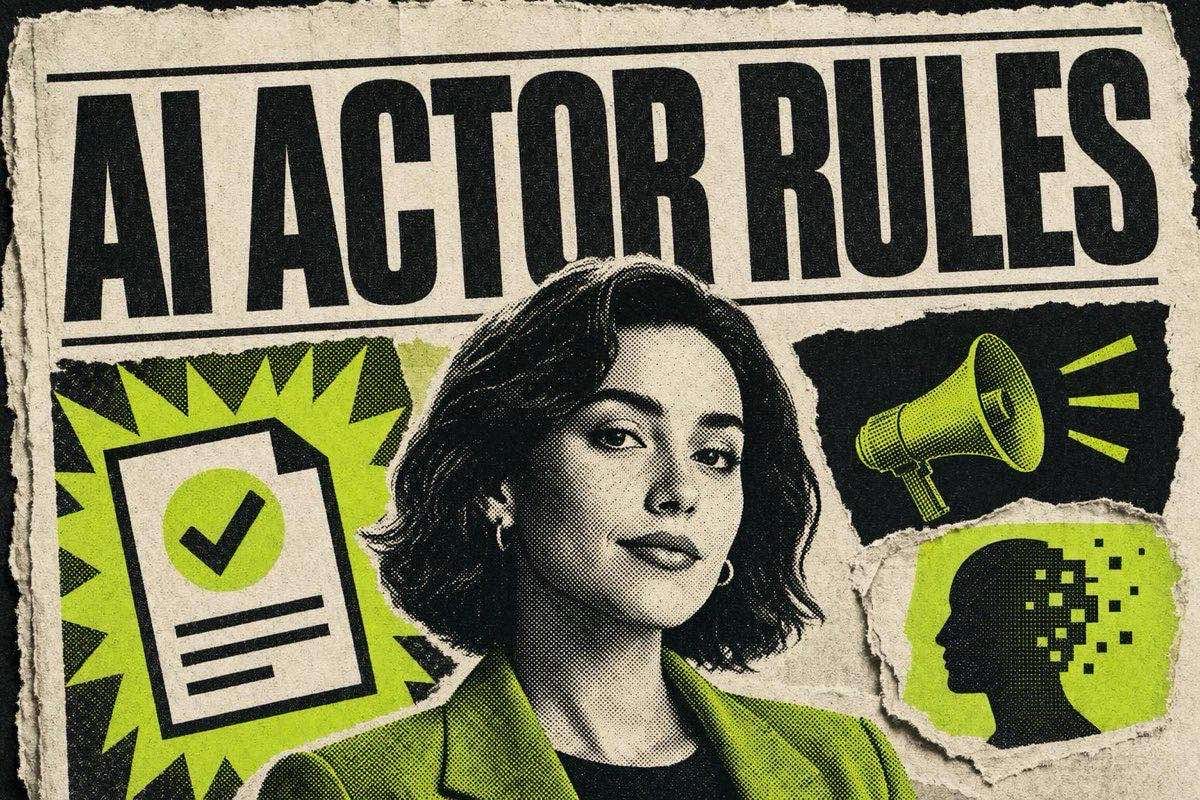
AI actors, meaning fully AI-generated presenters reading a script on camera, are allowed in Facebook and Instagram ads today. What isn't optional is disclosure: if the visual is photorealistic and digitally created or altered, Meta requires you to flag it as AI-generated at the ad level, and starting June 1, 2026, Meta's own automated detection will flag undisclosed AI content whether you disclose it or not. Getting the disclosure step wrong is the actual risk here, not the technology itself.
This piece is not a review of any specific AI-actor tool. It's the practitioner version: what Meta actually requires, when an AI actor is the right call versus when real UGC still outperforms it, and the legal and ethical lines that matter (consent, likeness, deepfake concerns) before you brief your next batch of creative.
What Meta's AI disclosure policy actually says
Meta's clearest, most enforceable language on this lives in its Ads About Social Issues, Elections or Politics policy, which requires advertisers to disclose when an ad contains a photorealistic image or video, or realistic-sounding audio, that was digitally created or altered, including content that depicts a real person doing or saying something they didn't do or say, or a realistic-looking person or event that doesn't exist. That's the strictest tier, reserved for political and social-issue ads, and it's already an enforced requirement, not a suggestion. If Meta determines an advertiser didn't disclose as required, the ad gets rejected, and repeated failures can bring account-level penalties.
The part performance marketers running commercial (non-political) ads need to track is the direction this is moving. Meta has been steadily expanding AI-disclosure expectations across ad categories through 2025 and into 2026, and starting June 1, 2026, Meta will layer in automated detection: its systems will identify ad media that was created or edited with third-party generative AI tools independent of whether the advertiser self-disclosed, and apply an "AI Info" label to the ad's details. In practice, that means the safest posture for any brand running AI-generated presenters at scale is to disclose proactively at the ad level rather than assume a commercial (not-political) ad falls outside scrutiny. The policy language and enforcement mechanics are worth reading directly rather than relying on a summary, since Meta updates ad standards without much fanfare.
Key insight: the compliance risk with AI actors isn't the AI part, it's skipping the disclosure step and hoping nobody checks. Automated detection removes the "nobody checks" assumption.
What counts as an AI actor for disclosure purposes
The bar is "photorealistic." A stylized cartoon avatar or an obviously synthetic voice reading copy over a product shot isn't what triggers this. A face that looks like a real human, speaking in a realistic voice, generated or substantially altered by AI, is what triggers it, whether that face is a fully synthetic AI actor or a real actor's likeness digitally modified beyond a simple filter. If your creative team can't tell at a glance whether a viewer would assume the person on screen is real, disclose.
When AI actors work
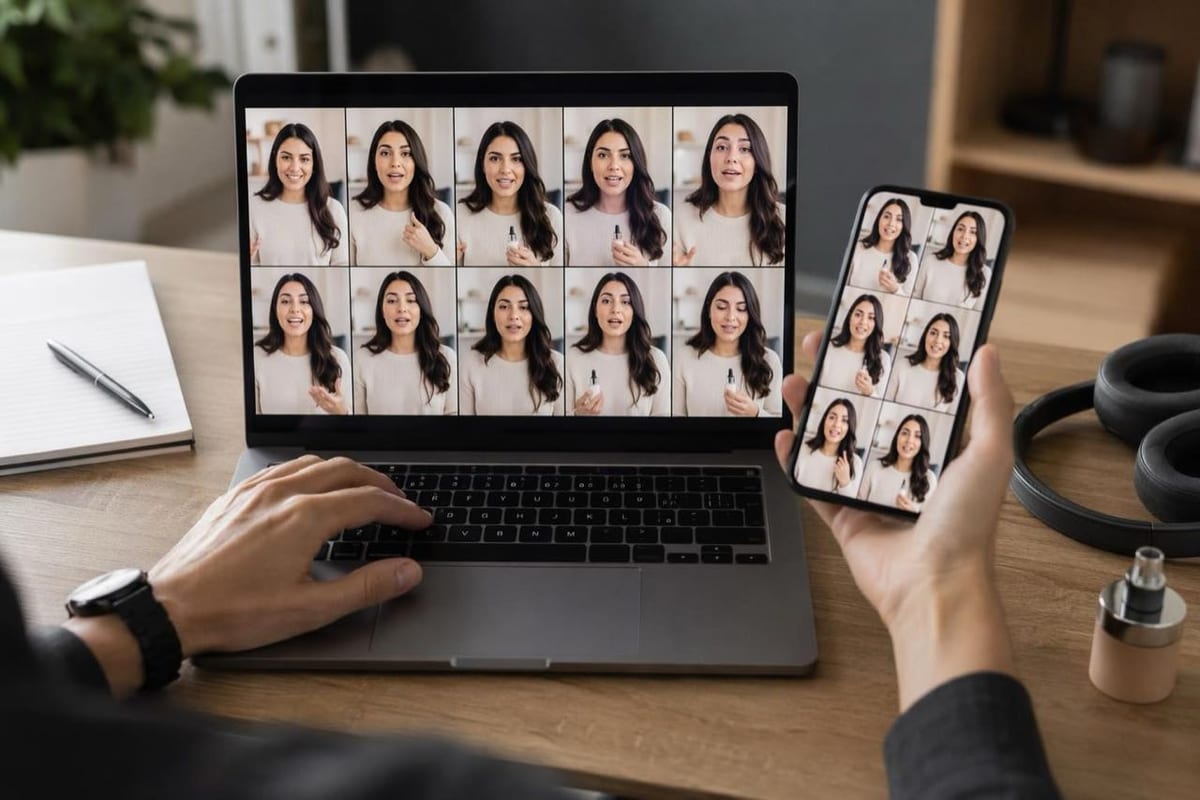
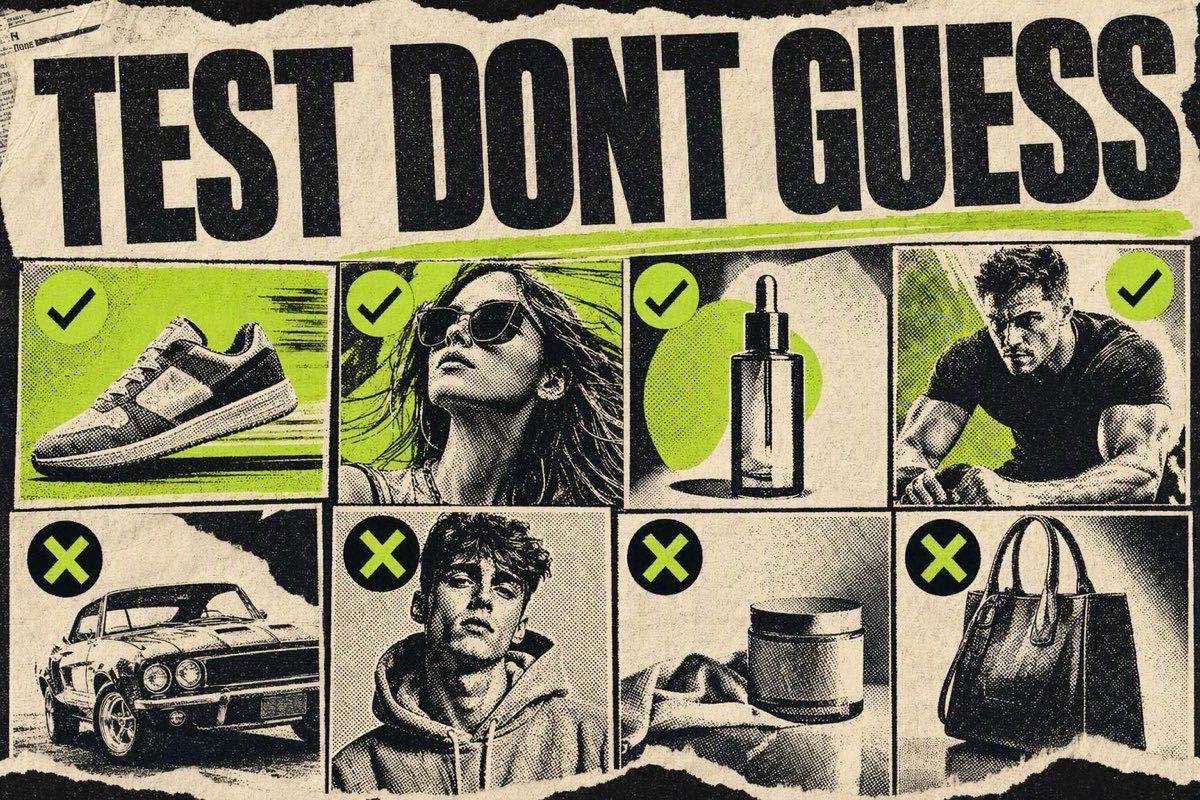
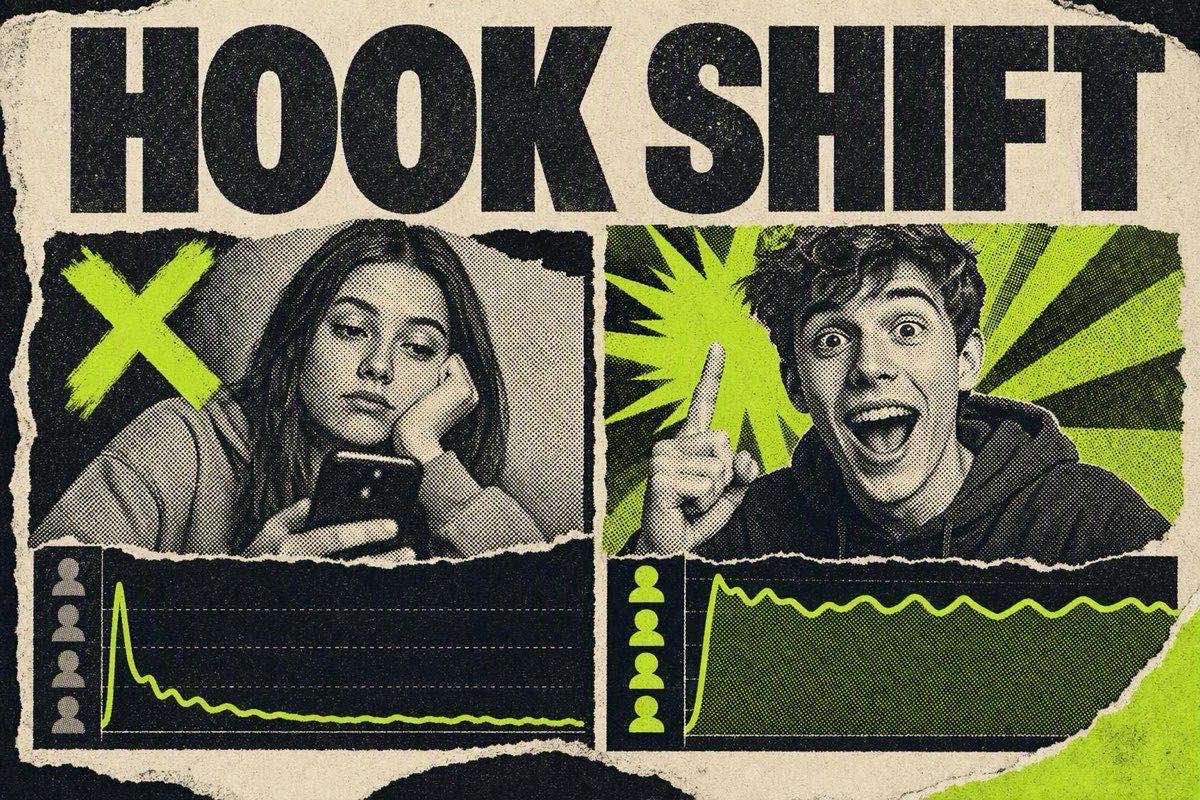
Speed to first test. An AI actor lets you generate 10 hook variations in the time it takes to book one real UGC creator. If you're testing angles, not polish, that speed advantage is real and it compounds: more hooks tested per week means you find the winning angle faster.
Cost at the testing stage. A 5-variant test batch with human creators typically runs $1,100 to $2,950 once you account for sourcing, briefing, shoot time, and usage rights, according to cost comparisons compiled by Cometly, while the same batch generated with an AI-actor tool can run as low as $100 to $285. That gap is the reason AI actors have become the default first pass for a lot of performance teams, not because the output is better, but because the cost of finding out is so much lower.
Categories where the gap is smallest. Beauty, apparel, food, and consumer tech ads tend to see AI-generated presenters perform close to real creator content when the hook and concept are strong, because the format (someone talking into a phone camera about a product) doesn't lean as hard on personal trust as, say, a financial or health claim would.
When real UGC still wins
Trust-heavy categories. Health, finance, and anything making a personal transformation claim (skin, weight, fitness) still leans on the psychological effect of watching a real person react, which a viewer's brain processes as social proof from a peer rather than as advertising. That effect is harder to fake convincingly, and audiences in these categories are also more primed to notice when something feels off.
Scaling a proven winner. Once an angle has tested well with an AI actor, several performance teams now re-shoot the winning script with a real creator before scaling spend, because conversion rate on the scaled version tends to hold up better than the initial AI-generated test version. Use AI for hook discovery, real UGC for the version you put real budget behind.
Anything requiring a testimonial that implies a real customer experience. If the ad's framing implies "this is what happened to me," using an AI-generated person to deliver that line crosses from creative efficiency into misrepresentation, separate from the disclosure question. That's a legal and trust problem, not just a compliance checkbox.
Legal and ethical considerations before you brief this
Consent and likeness. If you're using an AI-actor platform that generates a synthetic person from scratch, there's typically no real individual's likeness involved, so this concern doesn't apply. But if a tool is trained on or references a real person's face, voice, or performance (including your own past creators' footage), you need an explicit agreement covering that use. Don't assume a platform's terms of service cover this for you; read the actual usage rights.
Deepfake law is a moving target, and it's regional. Several US states and other jurisdictions have passed or are actively passing deepfake and synthetic-media disclosure laws that apply independent of what any ad platform requires, and the requirements differ by state and country. If you're running ads in multiple markets, the strictest applicable jurisdiction's rule is the one to follow, not just Meta's baseline.
Don't misrepresent a synthetic actor as a real customer. Beyond disclosure requirements, most advertising-standards bodies (the FTC in the US, similar regulators elsewhere) already prohibit deceptive endorsements. An AI-generated "customer testimonial" that implies real customer experience is a deceptive-endorsement problem regardless of what Meta's disclosure toggle says.
How disclosure actually shows up in the ad
Meta's political-ads disclosure isn't a hidden metadata flag, it's a visible "Paid for by" and AI-content notice attached to the ad in the Ad Library, and advertisers add it during ad creation in Ads Manager under the ad's Political Ads settings. For the broader AI-content detection rolling out from June 1, 2026, the mechanism is an "AI Info" label surfaced in the ad's details view rather than the ad itself, meaning a user reviewing the ad through Meta's transparency tools sees the flag even if the creative has no visible watermark. That distinction matters for planning: you're not just avoiding a rejected ad, you're avoiding a public label attached to your brand's ad history.
If your team runs ads across multiple ad accounts or agencies, put the disclosure step into your creative QA checklist the same way you'd check aspect ratios or captions. It's a five-second toggle, and skipping it is the actual failure mode here, not some sophisticated detection-evasion problem.
Practical checklist before you run an AI-actor ad
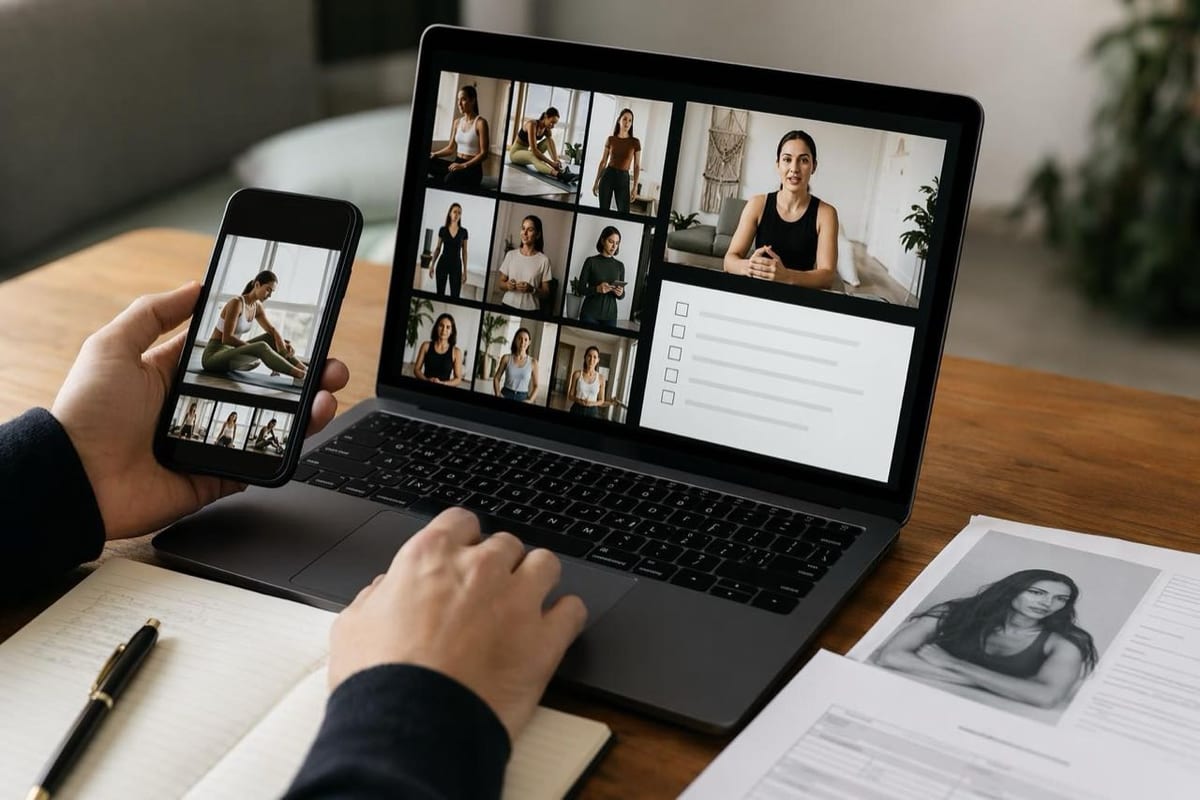
- Check if the visual is photorealistic. If yes, disclose it at the ad level, even for commercial (non-political) ads, given where enforcement is heading.
- Confirm your tool's usage rights cover the specific likeness or voice model you're using, especially if it's based on a real person.
- Match the category to the format. Use AI actors for hook-testing volume in lower-trust categories; lean on real UGC for health, finance, or anything implying a genuine customer story.
- Re-shoot winners with real creators before scaling spend on a category where trust is doing real work.
- Never label a synthetic presenter as a real customer. That's a deceptive-endorsement risk independent of AI disclosure rules.
FAQ
Does Meta require me to disclose AI actors in regular (non-political) ads?
Meta's explicit, enforced disclosure requirement currently applies to ads about social issues, elections, or politics. For commercial ads, disclosure isn't yet mandated the same way, but Meta's automated AI-content detection (live from June 1, 2026) will flag AI-generated media across the platform, so proactive disclosure is the safer practice for any advertiser using photorealistic AI presenters at scale.
Will Meta automatically detect AI-generated actors in my ads?
Starting June 1, 2026, yes. Meta will use automated detection technology to identify ad media created or edited using third-party generative AI tools and apply an "AI Info" label to the ad, independent of whether the advertiser self-disclosed.
Are AI actors cheaper than hiring real UGC creators?
Significantly, at the testing stage. A comparable 5-variant batch typically costs a low-to-mid four-figure sum with human creators versus a fraction of that with an AI-actor platform. The gap narrows once you factor in re-shooting winning concepts with real creators for scaled campaigns.
Do AI actors convert as well as real UGC?
It depends on the category. In beauty, apparel, food, and consumer tech, AI-generated presenters often perform within a small margin of real creator content when the hook is strong. In trust-heavy categories like health and finance, real UGC still tends to outperform, because viewers process a real person's reaction differently than polished or synthetic content.
Is it legal to use an AI actor that looks like a specific real person?
Only with that person's explicit consent covering that specific use. Using a real individual's likeness or voice without consent is a legal liability regardless of any ad platform's disclosure policy, and several jurisdictions have separate deepfake laws layered on top.
Test the angle before you pick the actor
The decision that actually moves performance isn't AI versus human, it's whether you've found the right hook first. Pull a starting angle from our 1,500+ AI prompt library, run it through the free AI Hook Generator or UGC Script Generator to get a testable script, then decide AI actor or real creator based on the category rules above. If you want to see how real brands frame trust-heavy UGC without an AI presenter, our UGC ads guide breaks down real examples, and the newsletter sends one new winning hook breakdown every week.
The AI Ad-Making Kit
$99Make hyperreal AI video and image ads for any brand, with free AI tools. No camera, no agency.
- 10 modules
- 300+ hooks
- 500+ prompts
Canva ad templates, free.
Proven D2C ad layouts. Swap in your product, export, launch.
Browse templates →Want to act on what you just read?
Browse 3,400+ free, Canva-ready ad templates sorted by industry. One click to open, five minutes to customise.
Browse Free Templates