Start here
Why meme ads work
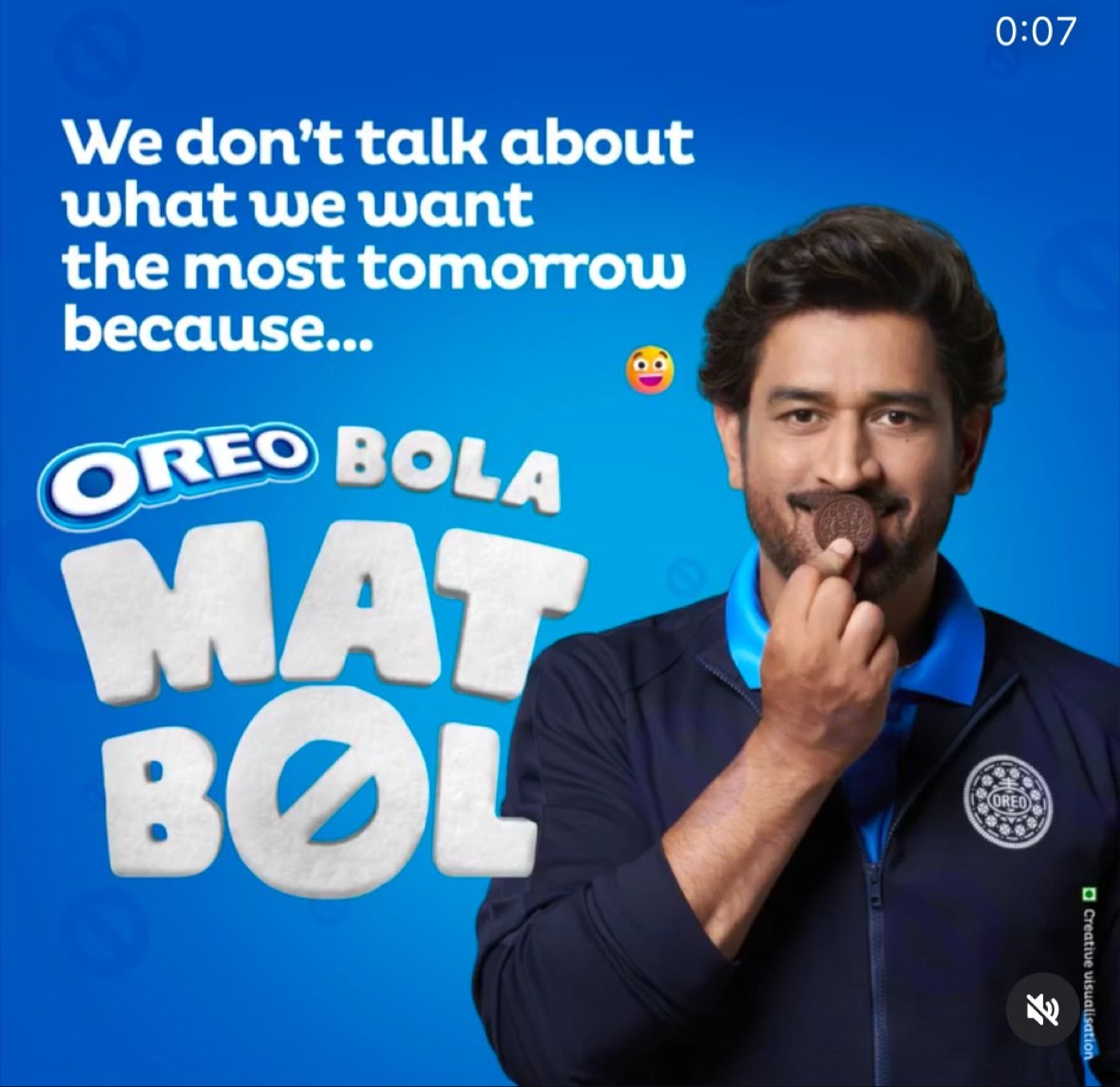
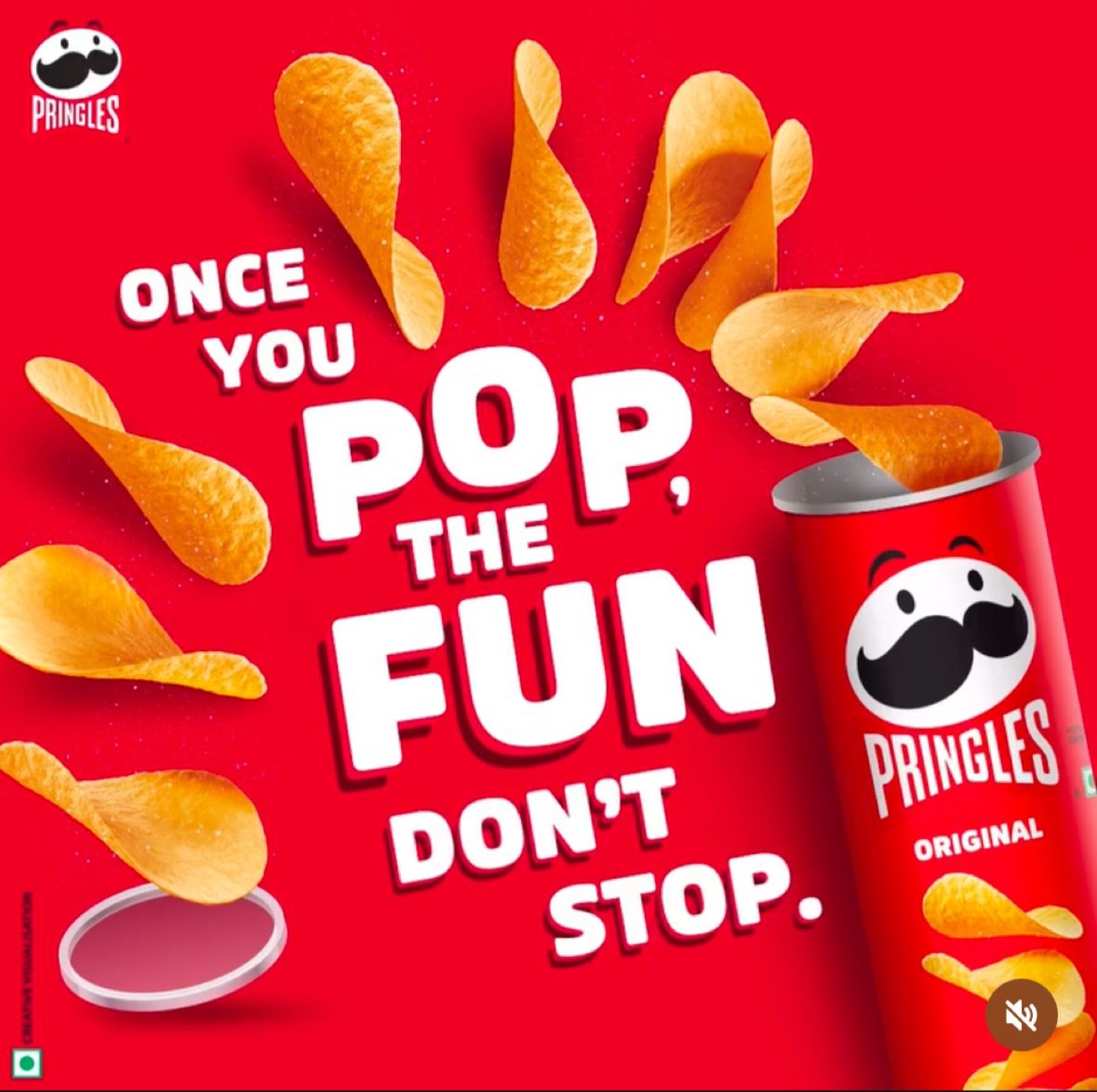
Meme ads are not a joke with a logo on it. They are a format that borrows an existing shape the viewer already knows how to read.
A meme ad is not an ad that is funny. Plenty of meme ads are barely funny at all and still work. What they share is something more mechanical, and once you see it the whole format becomes learnable rather than a matter of whether you happen to be witty.
A meme is a shape the viewer already knows how to read.
When someone scrolls past a familiar meme structure, they do not have to work out what kind of thing they are looking at. The format is pre-installed. They know where the setup is, where the turn is, and roughly how long it will take. That recognition happens before any conscious decision to pay attention, which means a meme ad has already got past the filter that stops most advertising.
The mechanism is familiarity, not humour.
Three things this buys you
You skip the format-parsing cost. A normal ad spends its first beat establishing what it is. A meme ad does not, because the shape announced itself.
You get evaluated as content, not as advertising. The moment something reads as an ad, it gets categorised and dismissed. Borrowed shapes delay that categorisation, sometimes past the point where the message has landed.
You can say things a brand normally cannot. Meme format gives you licence to be self-aware, to admit a flaw, to poke at your own category. Said straight, those would sound strange coming from a brand. Inside a meme, they read as honesty.
Why they are cheap
The economics are the second reason to care, and for a small brand they may be the bigger one.
A meme ad needs no shoot, no talent, no set, and very little production. The format carries the aesthetic. What it needs is a good line and correct judgement about which shape to borrow, and both of those are thinking rather than budget.
So you can produce and test at a rate a video-first approach cannot match. That matters more than any individual ad, because as covered throughout HookAds, the operator who gets more attempts usually wins regardless of who had better taste on attempt one.
What they are not good at
I want to be direct about the limits, because the format gets oversold.
Meme ads are weak at explaining. If your product needs a mechanism understood before anyone will buy, a meme will not carry that load. It can earn the attention, but something else has to do the teaching.
They are weak at trust for high-consideration purchases. A large or risky purchase wants evidence and a credible human, and a joke format works against both.
They age fast. A borrowed shape has a life span, and using one past its moment signals that the brand is not paying attention, which is worse than not having tried.
And they are risky in a specific way covered later in this playbook: a meme that lands wrong fails loudly and becomes the thing people talk about. A boring ad is forgettable. A misjudged one is not.
Where they fit
The honest position is that meme ads are excellent at the top of the funnel and for brands whose audience skews toward people who are fluent in the format.
They are very good for low-consideration purchases, for recognisable everyday problems, for categories where everyone else is being solemn, and as a way to say the thing your straight ads cannot say.
They are a poor fit for regulated categories, for anything where the buyer is anxious, and for products where the main obstacle is that people do not know what the thing is.
The self-aware advantage
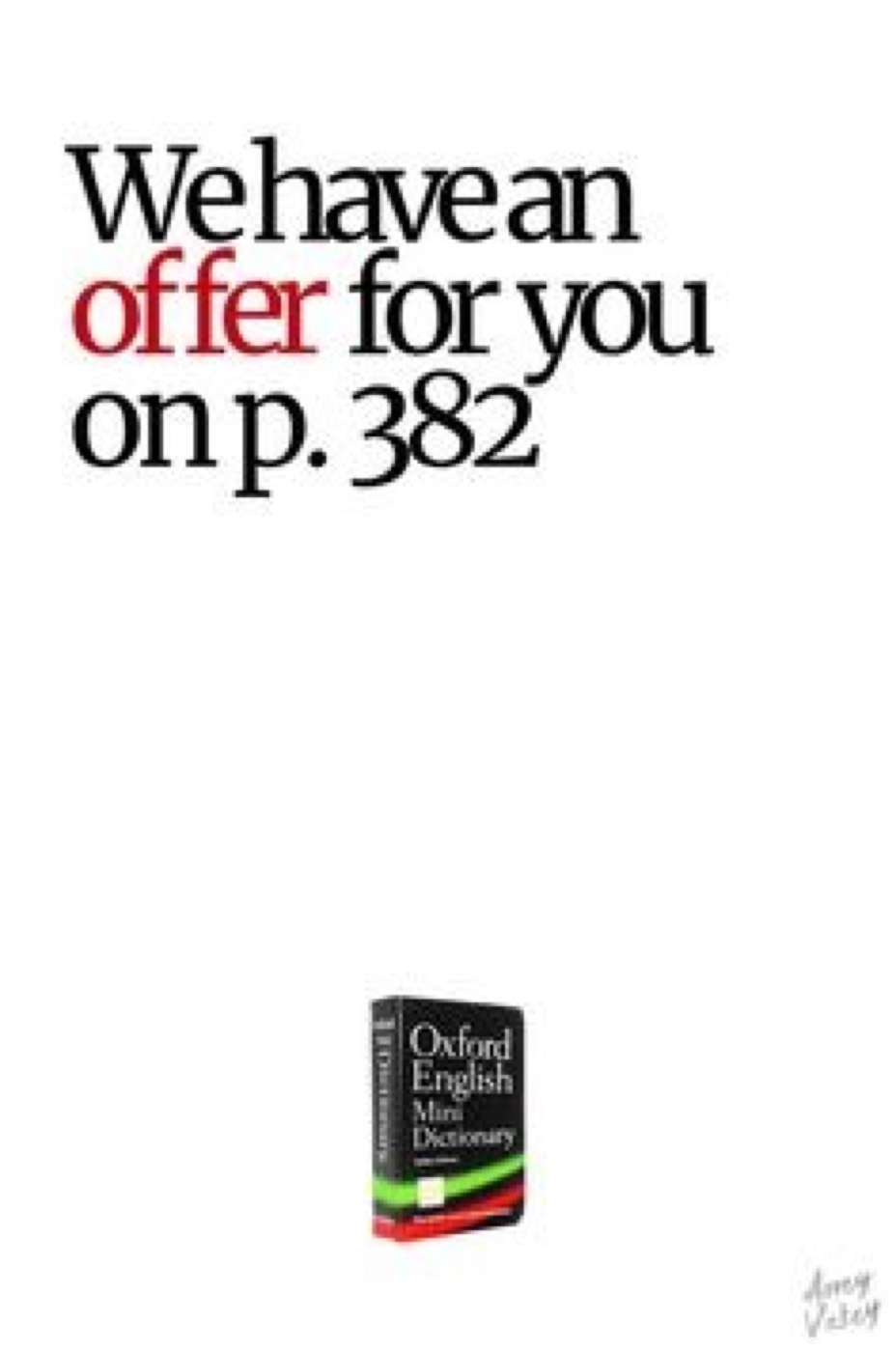
There is one move meme format enables that is worth the whole playbook on its own: admitting the obvious thing.
Every product has a flaw the buyer will notice. It costs more. It takes longer. It looks odd. The standard response is to say nothing and hope, which fools nobody, because the buyer sees it anyway and now also suspects you were hiding it.
A meme lets you name it first, and naming it first converts a weakness into evidence of honesty. That trade is nearly always worth making, and there is almost no other ad format where a brand can pull it off without sounding defensive.
What is in this playbook
The rest is practical. The template bank gives you thirty two meme ad templates you can use directly, with guidance on which to reach for and when. The devices lesson covers the six rhetorical devices that make short lines land, which is the closest thing to a craft skill in this whole format. The production workflow gets a finished ad out in about ten minutes. And the brand-safety chapter is the one I would read twice.
The order matters less here than in most playbooks, so if you want the templates now, skip ahead. But come back for the devices lesson, because it is the difference between a meme ad that works and one that is merely recognisable.
The rest of Meme Ads Playbook
This lesson is the free preview. The remaining 11 lessons are part of the full playbook.
Get Meme Ads Playbook — $49