Start here
What actually makes an AI ad work
The tools are not the hard part. The hard part is knowing which ad you are trying to make before you open one.
Most people who buy an AI ad tool never make a good ad with it. They make a beautiful one. There is a difference, and the difference is the whole reason this kit exists.
Here is the pattern I see constantly. Someone gets access to an image model, types "product photo of a skincare bottle on marble, cinematic lighting, 8k", and gets back something impressive. It looks like it cost money. They put it live. Nothing happens. So they assume the prompt was wrong and go looking for a better one, and the cycle repeats until they conclude AI ads do not work.
The prompt was not wrong. The ad had no job.
An ad is an argument, not a picture
Every ad that works is making a specific argument to a specific person at a specific stage of knowing about you. The visual is how the argument gets delivered. When you start with the visual, you end up with a picture that argues nothing, and no amount of rendering quality fixes that.
So before you open any tool in this kit, you answer three questions:
- Who is this for, and what do they already believe?
- What is the one thing I need them to understand or feel?
- What kind of ad delivers that?
Question three has a real answer, not a vibe. There is a small set of ad types that keep working, and each one does a different job. Picking the right one is most of the work.
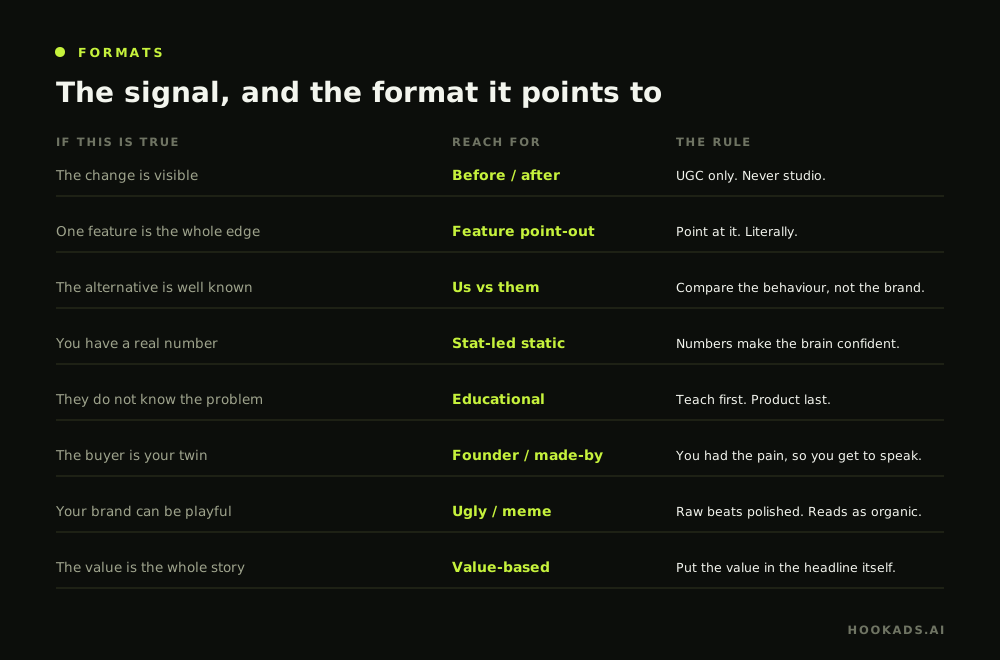
The types that keep working
I want to walk you through these properly because the rest of the kit refers back to them constantly. Each module teaches you to produce one or more of these with AI.
Value-based ads
These are not about your product. They are about the customer's life and what changes in it. The feature list stays out of the frame. What goes in the frame is the outcome.
The craft detail that matters: put the value in the headline itself, so the job is done the moment someone reads it. If a person has to watch for four seconds to understand what they get, you have already lost most of them. This works especially well when you have a real advantage over competitors and the problem is felt widely.
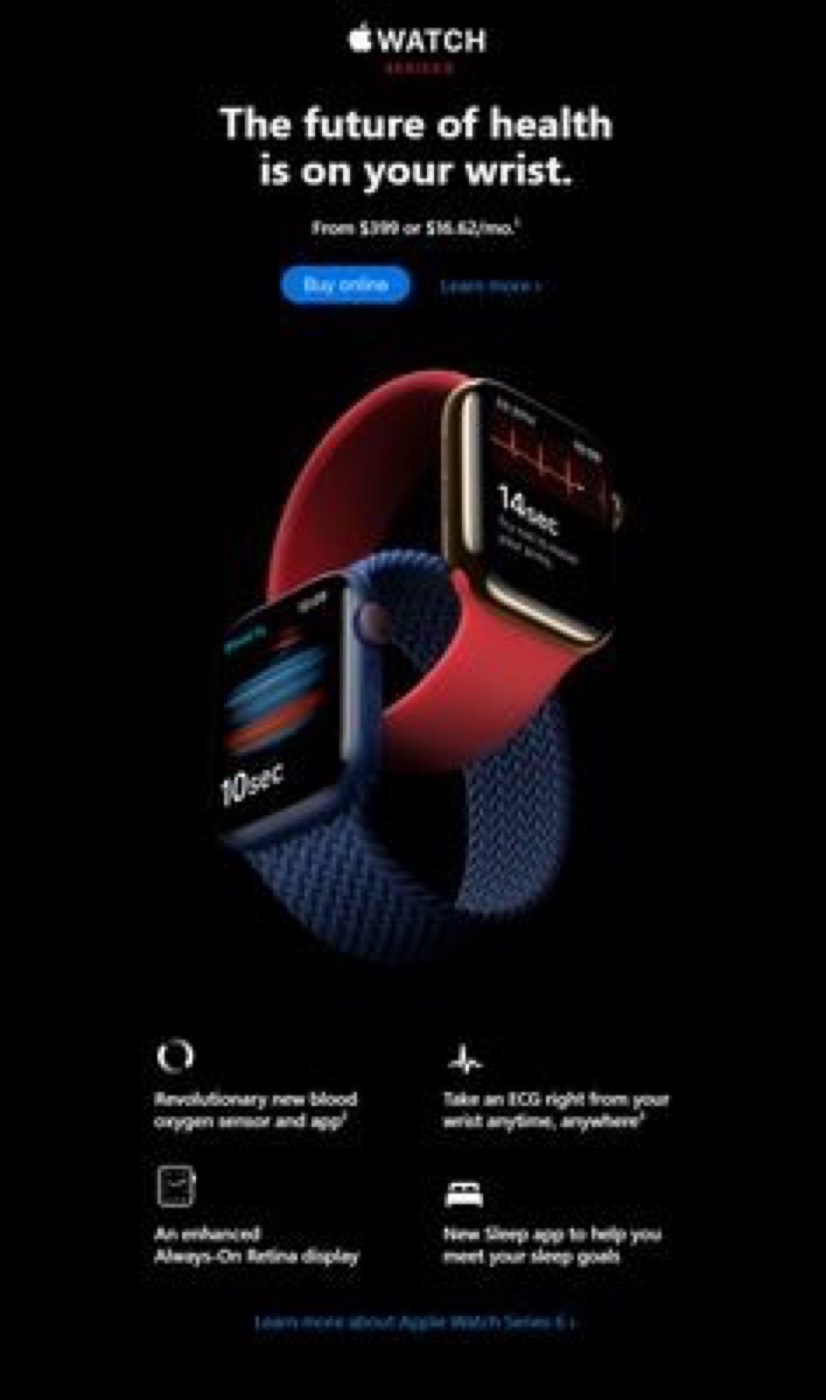
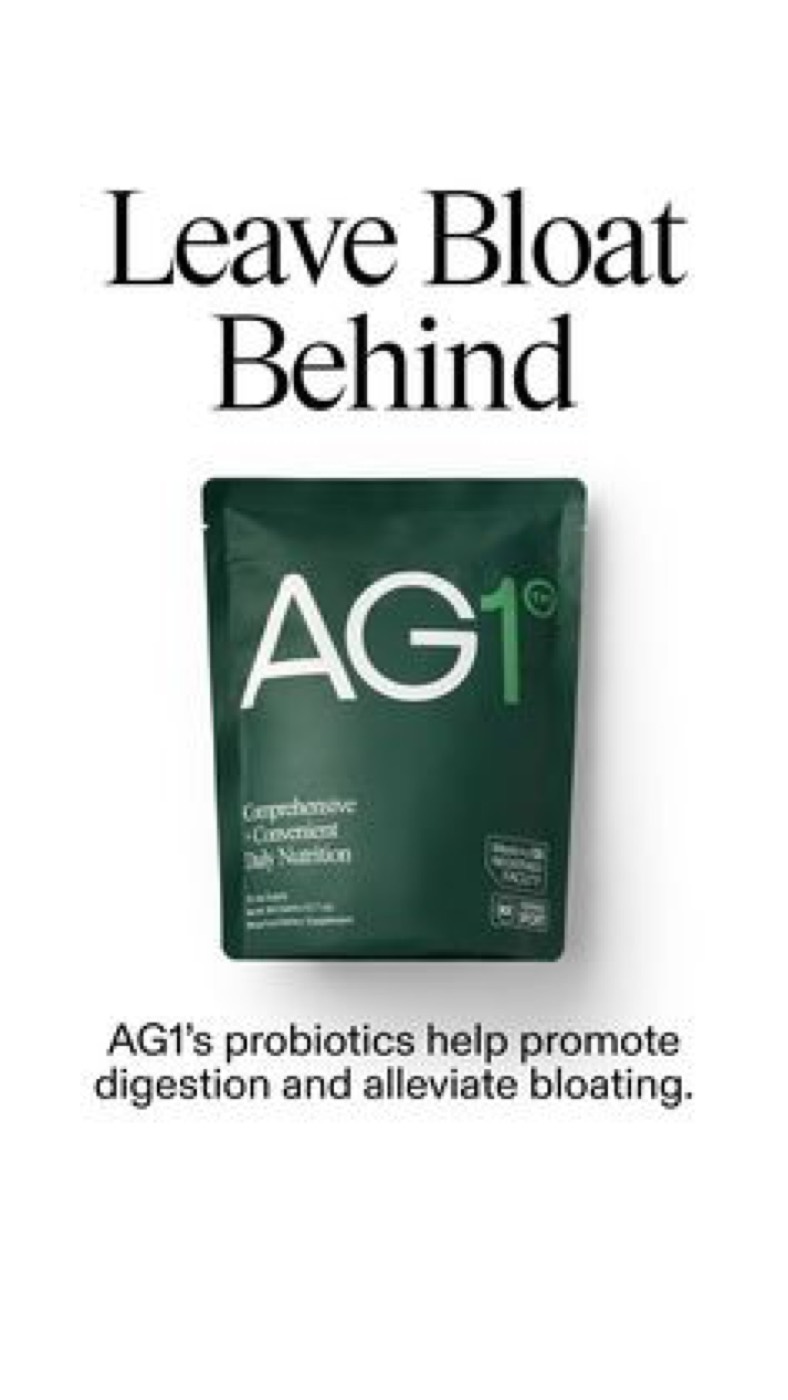
Look at what those do. The value is legible before you have decided whether to keep watching.
Feature point-out ads
The opposite move, and it is underrated. You take one specific feature and you point at it, literally. An arrow, a circle, a hand, a callout. It looks unsophisticated and it works, because it removes the interpretation step. The viewer does not have to figure out what matters about the product. You told them.

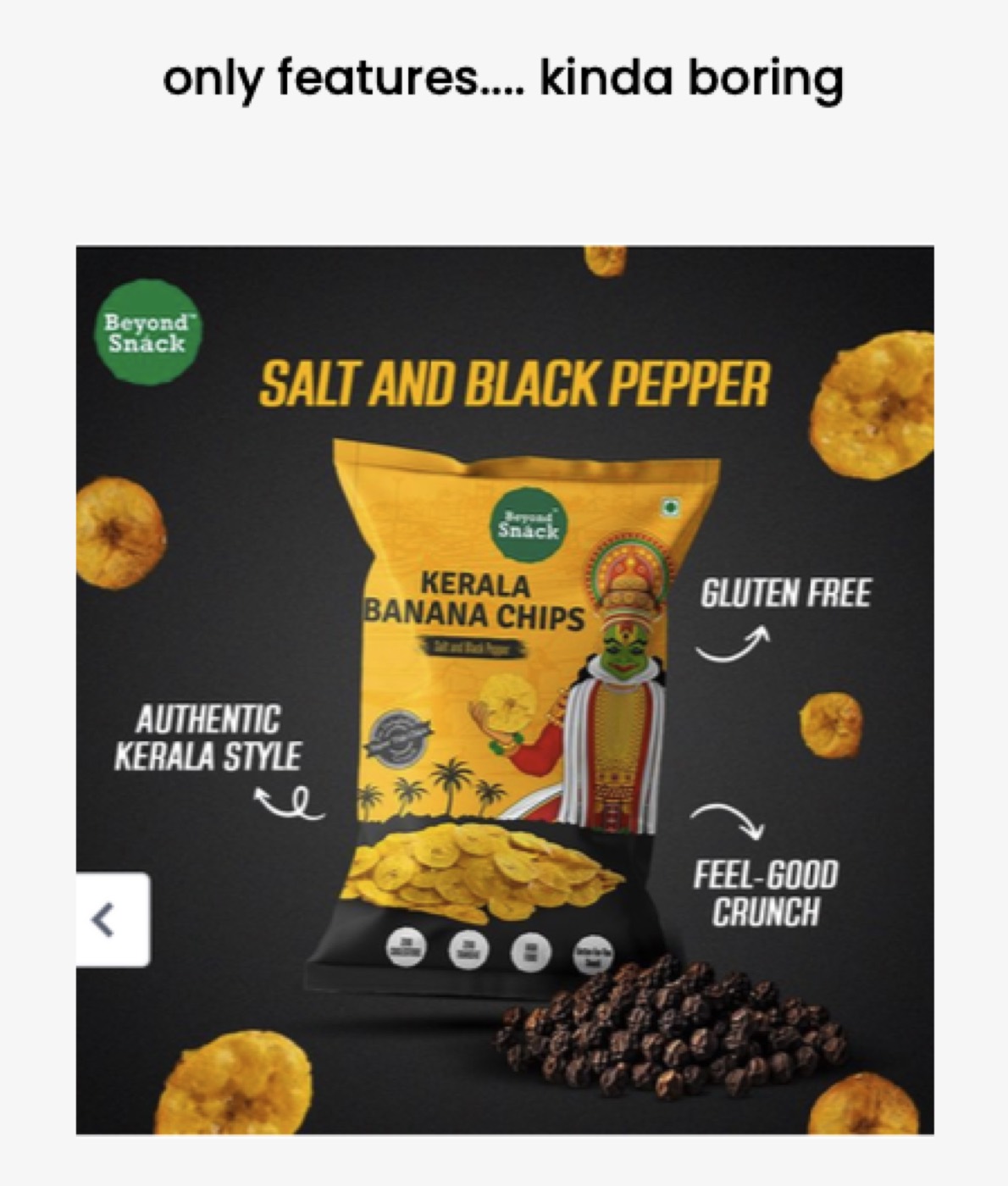
Use these when the product has a real differentiator you can see. Do not use them when the differentiator is abstract, because pointing at nothing is worse than not pointing.
Before and after ads
Visual proof, fast. If your product creates a change someone can see, this is close to unfair. The whole argument fits in one frame and nobody has to read a word.
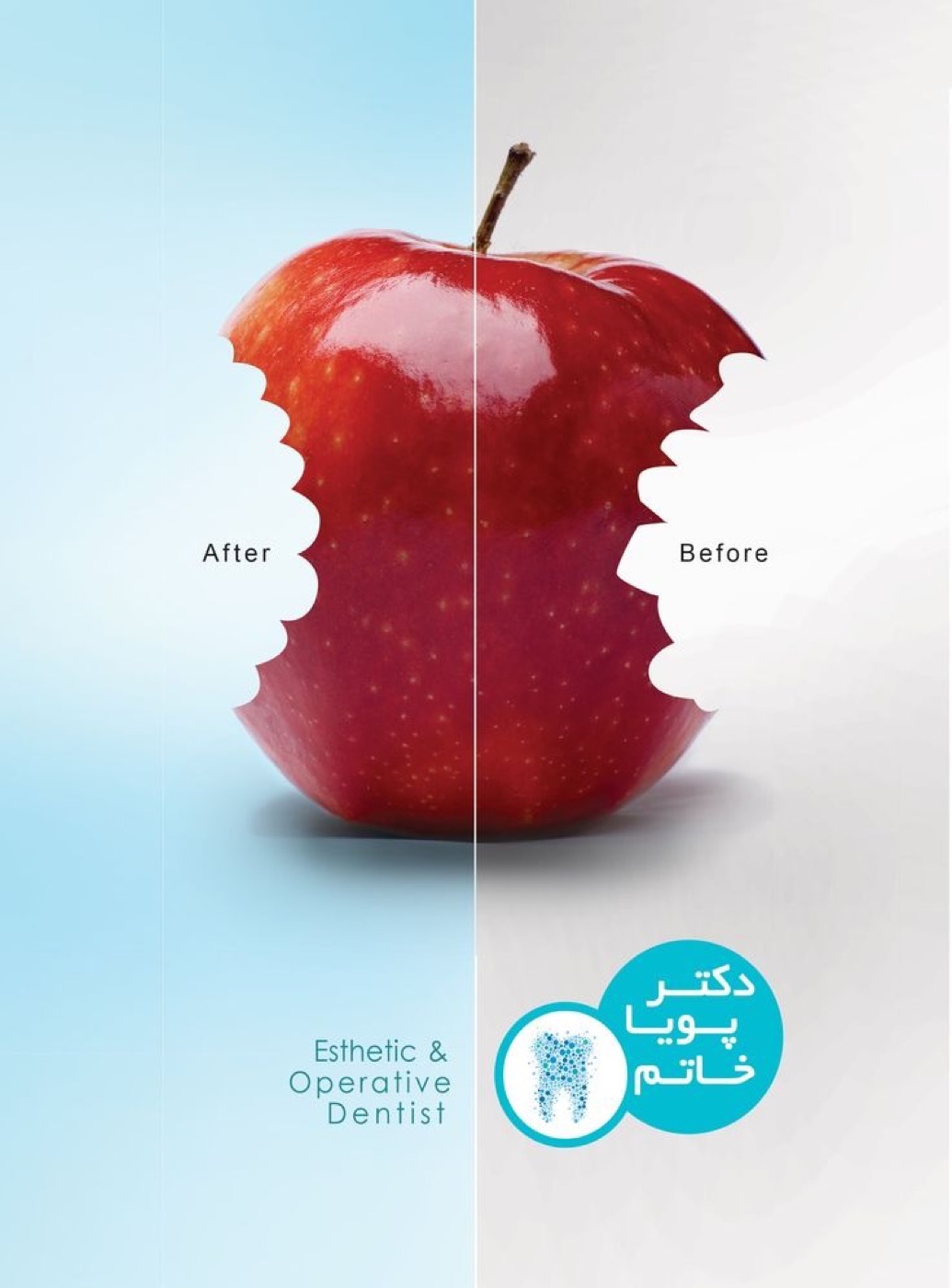
The obvious caveat is that this only works honestly when the change is real and typical. A before and after that overstates what most people get is the fastest way to earn refunds and a bad reputation, and in regulated categories it will get the account restricted.
Us versus them ads
You position directly against the alternative. Done well, this hands you authority, because you are the brand confident enough to invite the comparison.
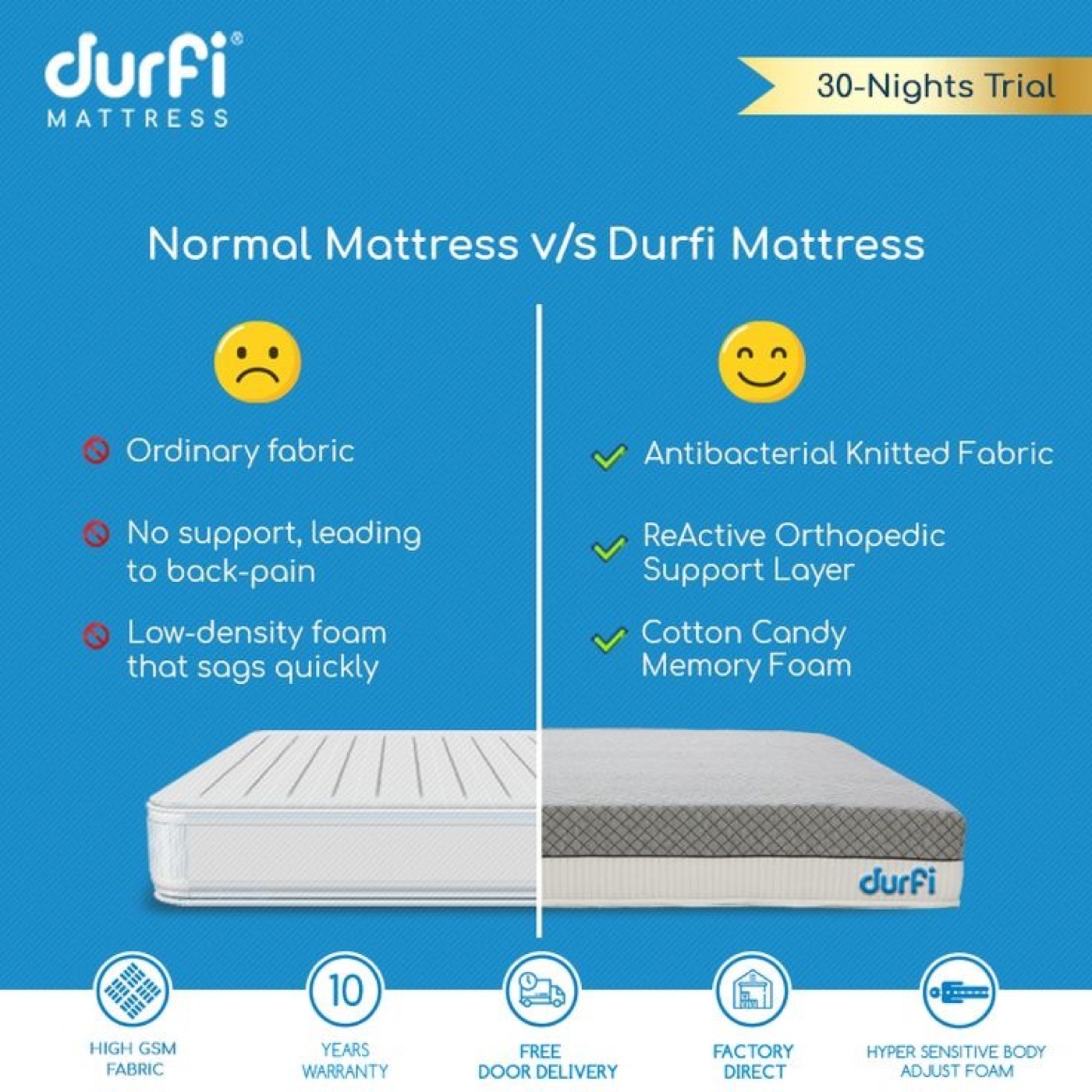
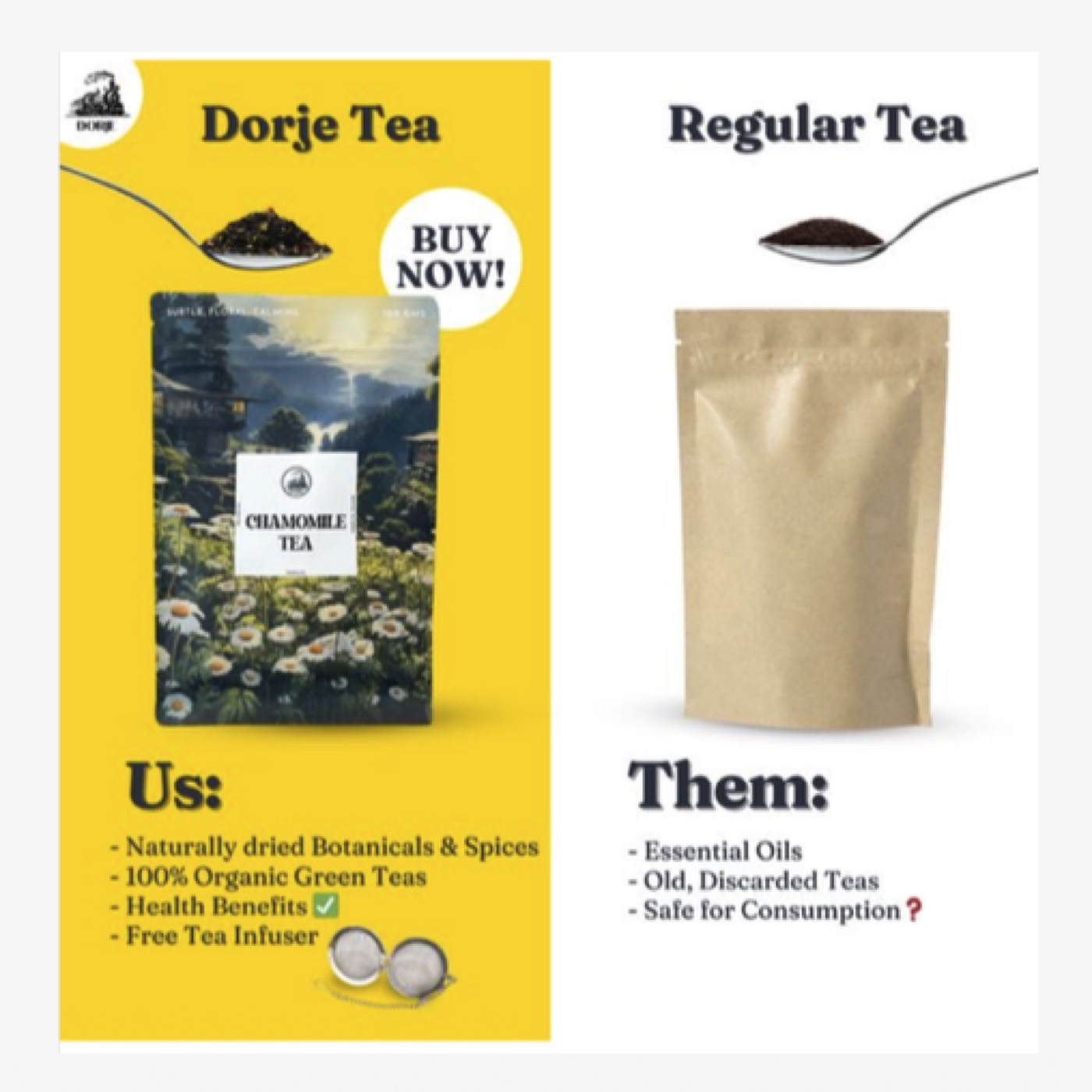
The version that fails is the one that punches at a named competitor with a weak claim. Compare against the category's default behaviour rather than a specific brand and you get the authority without the legal exposure.
Educational ads
You teach something true and useful, and the product appears as the natural conclusion rather than the point. These build trust and they age well, because a useful ad keeps earning attention long after a promotional one has burned out.
Static ads
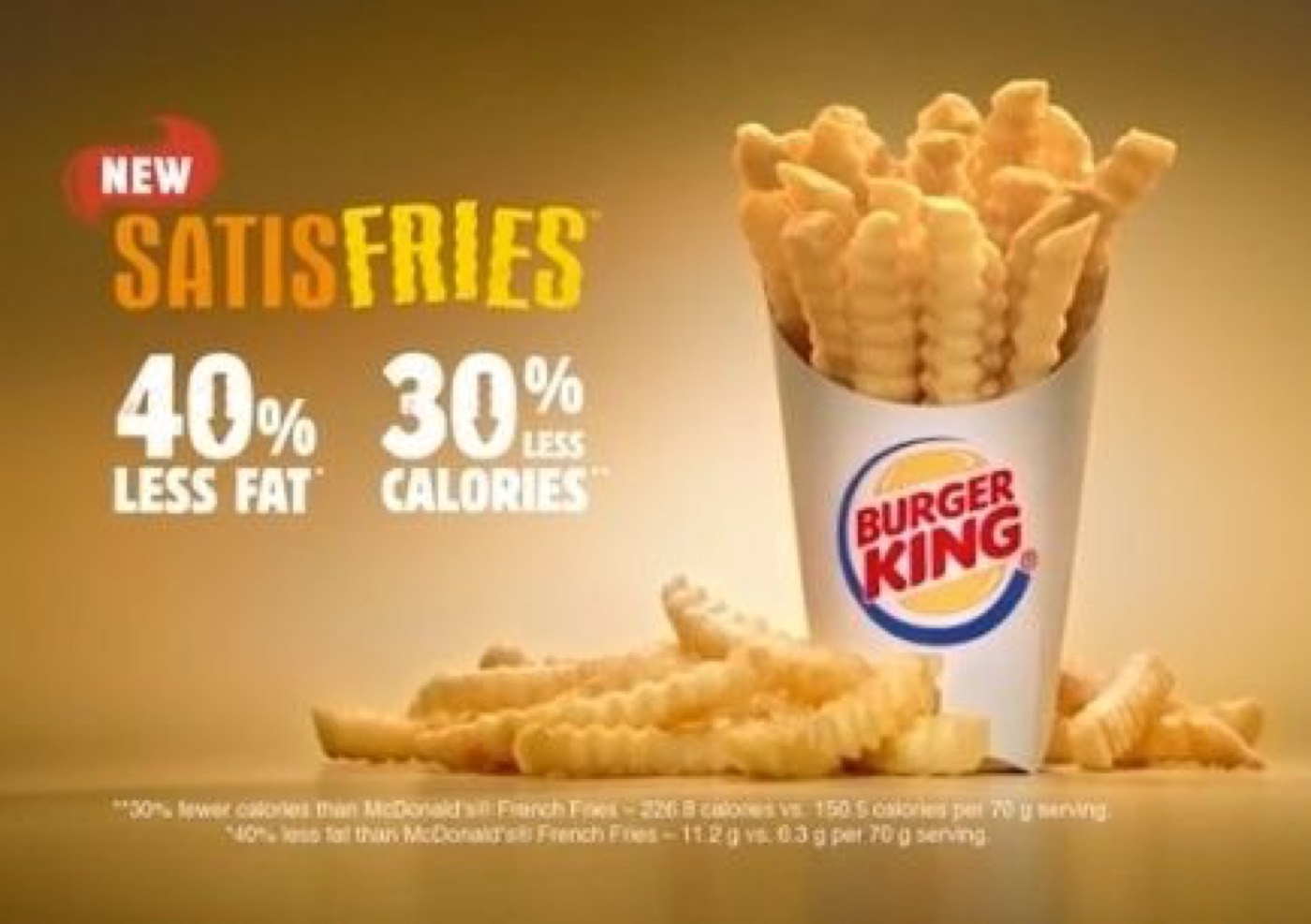
Not a style so much as a format, and one people write off too early. Statics are fast to produce and fast to iterate, and they let you test a message in isolation without a video's production overhead. They are unlikely to carry a large account on their own, but as a way to find out which argument lands before you invest in filming it, they are hard to beat.
Ugly ads
Deliberately unpolished. Low production, phone-shot energy, nothing that signals a marketing department. They work because they do not read as advertising, so they get evaluated as content instead of getting skipped as an ad.

This is the type most at odds with AI's default output, which is to make everything look expensive. A lot of what you will learn in this kit is how to make AI produce something that looks like it was not produced.
The counterintuitive part
Notice what is not on that list: the cinematic brand film. High production cost and high performance are not the same axis, and the assumption that they are is what makes people spend thousands on creative that dies in the ad account.
This matters more for you than for a brand with a studio budget, and it matters in your favour. If polish were the deciding factor, the brand that can afford a film crew would win every time. It is not, so they do not. What decides it is whether the argument is right, how fast you find that out, and how many attempts you get.
That last one is where AI changes your position, and not because it makes prettier assets. It collapses the cost of an attempt to nearly zero, so you can test twenty arguments in the time a competitor tests one.
What this means for how you use the kit
The rest of these modules are ordered deliberately. Hooks come before scripts, scripts come before visuals, visuals come before volume. That is not how most people work, and it is why most people's AI ads look great and convert badly.
You will get more out of this if you have one real product in mind while you read, and you build alongside instead of reading straight through. Every module ends with something to make.
One more thing before you go on. I am going to keep saying "test this" and I mean it literally. Nothing in here is a rule that survives contact with your specific audience. The ad types are a starting hypothesis, not an answer. The person who wins is not the one who guessed right. It is the one who found out fastest.
The rest of The AI Ad-Making Kit
This lesson is the free preview. The remaining 12 lessons are part of the full playbook.
Get The AI Ad-Making Kit — $99