In 2012, Ben Francis was 19 years old, delivering pizzas, and running an online fitness apparel business from his parents' garage in Solihull, England. He couldn't afford advertising. So he did the next best thing: he sent free gym gear to the fitness YouTubers he watched.
Within a decade, Gymshark had reached a valuation of £1 billion ($1.3 billion at the time), making Francis one of the youngest self-made billionaires in British history. The influencer strategy he ran from that garage is now a case study in every marketing MBA program.
The Early Influencer Program (2012-2016)
Gymshark's initial influencer approach was not sophisticated by modern standards. Ben Francis described the early period in detail in a GQ UK profile from 2020: he personally identified fitness YouTubers whose audiences matched who he wanted to reach, reached out directly, offered to send free product, and asked them to wear it if they liked it.
No guaranteed posts. No contracts. No tracking links. Just product seeding to people who were already influential in the community.
The early Gymshark "family" of athletes included fitness YouTubers like Lex Griffin and Chris Lavado, who had building audiences in the 50,000-500,000 subscriber range at the time. These were not celebrities. They were dedicated fitness content creators with niche, highly engaged followings.
The activation model was simple: when Gymshark launched a new drop, the athletes posted wearing the product on the same day. The synchronized posting created a surge of coordinated awareness that felt organic rather than paid.
The Numbers
Gymshark has been measured publicly at key milestones:
- 2016: First £1 million revenue month, according to Forbes' 2020 profile of Ben Francis.
- 2019: Revenue of approximately £176 million ($218 million), per accounts filed with Companies House UK (Companies House filing reference 08130583).
- August 2020: General Atlantic acquired a minority stake in Gymshark at a valuation of £1 billion. This was the official billion-pound valuation moment, reported by Sky News and confirmed by Gymshark's press release at the time.
- 2021: Revenue reportedly exceeded £400 million, cited in City AM coverage of the brand's trajectory.
The company grew from roughly £1 million in revenue in 2013 to £176 million by 2019 without any traditional television or print advertising budget in the early years. The vehicle was consistently athlete and influencer partnerships.
What Made the Gymshark Model Different
They built athletes, not just activations. Most influencer programs treat influencer partnerships as one-time executions. Gymshark treated them as long-term brand partnerships. Their athletes wore Gymshark across years of content, not a single sponsored post. When an athlete's audience grew, Gymshark's brand grew with them.
They targeted niche depth over broad reach. The fitness YouTubers Francis seeded in 2012 were not household names. They had passionate, specific audiences: powerlifters, bodybuilders, physique competitors. These audiences had high purchase intent for fitness apparel. A 100,000-subscriber fitness YouTuber's audience was more likely to buy gym leggings than a 1,000,000-subscriber general lifestyle influencer's.
Product quality was the retention mechanism. Influencer endorsements generate trial. Product quality generates repeat purchase and genuine advocacy. Gymshark's early reputation for well-fitting, good-quality gym wear was what converted first-time buyers into repeat customers who then advocated organically. A seeding program cannot sustain a brand that doesn't deliver on the product promise.
They owned the pop-up event. From 2014, Gymshark began running pop-up events where athletes attended in person and fans could meet them. The events generated enormous social content and reinforced the athlete-as-real-person dynamic that made the influencer relationships feel authentic. The 2018 Gymshark pop-up in London reportedly drew fans who had queued overnight.
The Transition to Paid and Larger Influencers
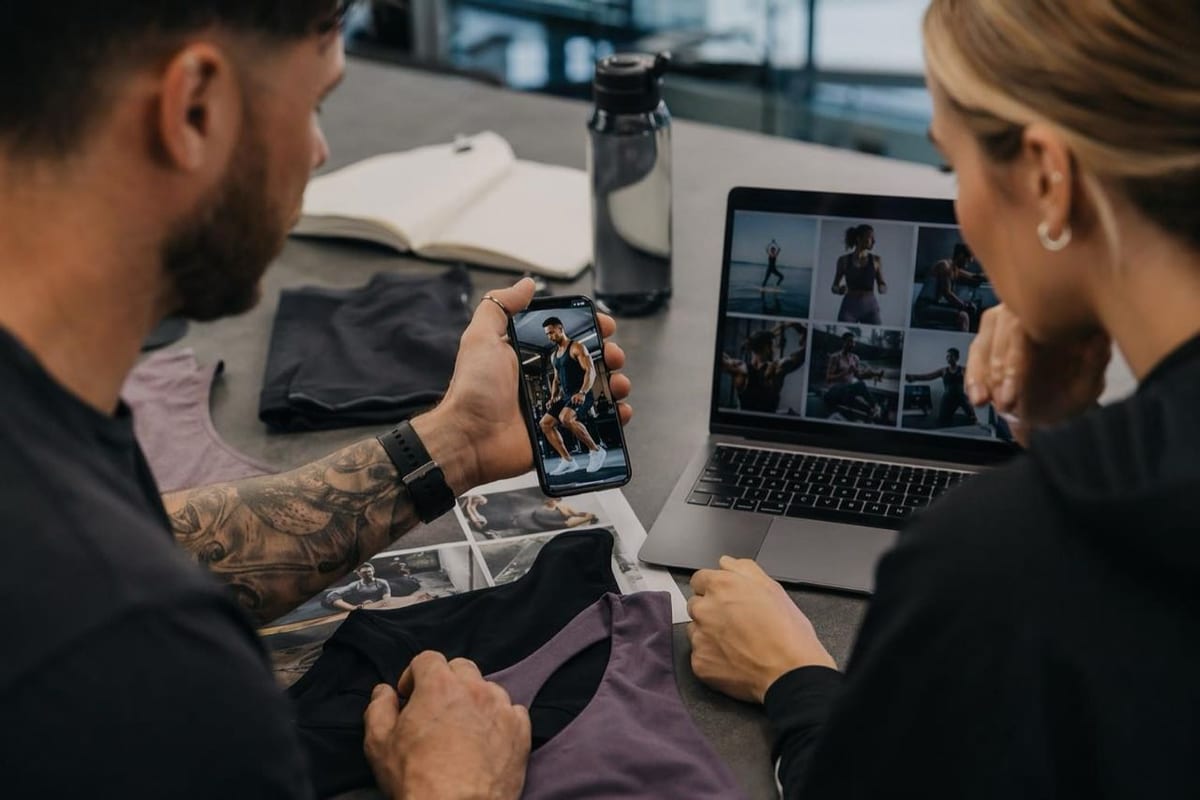
By 2016-2017, Gymshark had moved from free seeding to formal paid partnerships. The model evolved as the brand and the creator ecosystem both grew. By the early 2020s, Gymshark was working with creators with multi-million followings and running paid campaigns across YouTube, Instagram, and TikTok outside India.
The underlying strategy remained the same: sports and fitness creators with genuine credibility in training culture, wearing product in context rather than holding it up for a camera.
What Brands Can Replicate Today
The early Gymshark model is actually more accessible now than it was in 2012, because the tools for finding niche creators are better.
Tier your influencer spend. Start with micro-creators (10,000-100,000 followers) in your exact category. The cost is seeding plus a small fee; the engagement rate is typically higher than larger accounts. Build a pool of 10-20 creators before spending on a single macro-influencer.
Look for longevity over virality. Gymshark's athletes were not necessarily producing viral moments. They were showing up consistently in training content. Consistency over time builds more purchasing credibility than one viral post.
Coordinate drops across creators. A single influencer posting about your product is a single data point for a consumer. Multiple creators posting in the same week creates a perception of ubiquity and cultural relevance that no single post can achieve.
Own an event. Even a small, local event where customers can physically interact with your brand creates content that paid creative cannot replicate. User-generated content from a real event performs well organically and gives you assets for retargeting.
Frequently Asked Questions
When did Gymshark officially become a billion-pound brand?
In August 2020, when General Atlantic acquired a minority stake at a £1 billion valuation. This was reported by Sky News at the time of the deal.
How did Gymshark find their early influencers?
Ben Francis has described in multiple interviews (including the GQ UK 2020 profile) that he personally identified fitness YouTubers by watching their content, then reached out via email and social channels to offer free product. No agency, no platform.
What was Gymshark's revenue before and after their influencer strategy?
Revenue numbers are available from UK Companies House filings (company number 08130583). Forbes and City AM have reported trajectory milestones. The brand grew from roughly £1 million in 2013 to £176 million by 2019 without a traditional advertising budget in the formative years.
Does the micro-influencer seeding model still work in 2026?
The model still works, but the market is more competitive. Creators receive more seeding requests than they did in 2012, which means product quality and the targeting of genuinely relevant niche creators matter more. Unsolicited seeding to creators who don't use your product category rarely converts. Build a relationship first; seed second.
See more documented brand and campaign breakdowns in the case studies library. For influencer brief writing and ad creative, try the free UGC script generator.
The AI Ad-Making Kit
$99Make hyperreal AI video and image ads for any brand, with free AI tools. No camera, no agency.
- 10 modules
- 300+ hooks
- 500+ prompts
Canva ad templates, free.
Proven D2C ad layouts. Swap in your product, export, launch.
Browse templates →Want to act on what you just read?
Browse 3,400+ free, Canva-ready ad templates sorted by industry. One click to open, five minutes to customise.
Browse Free Templates