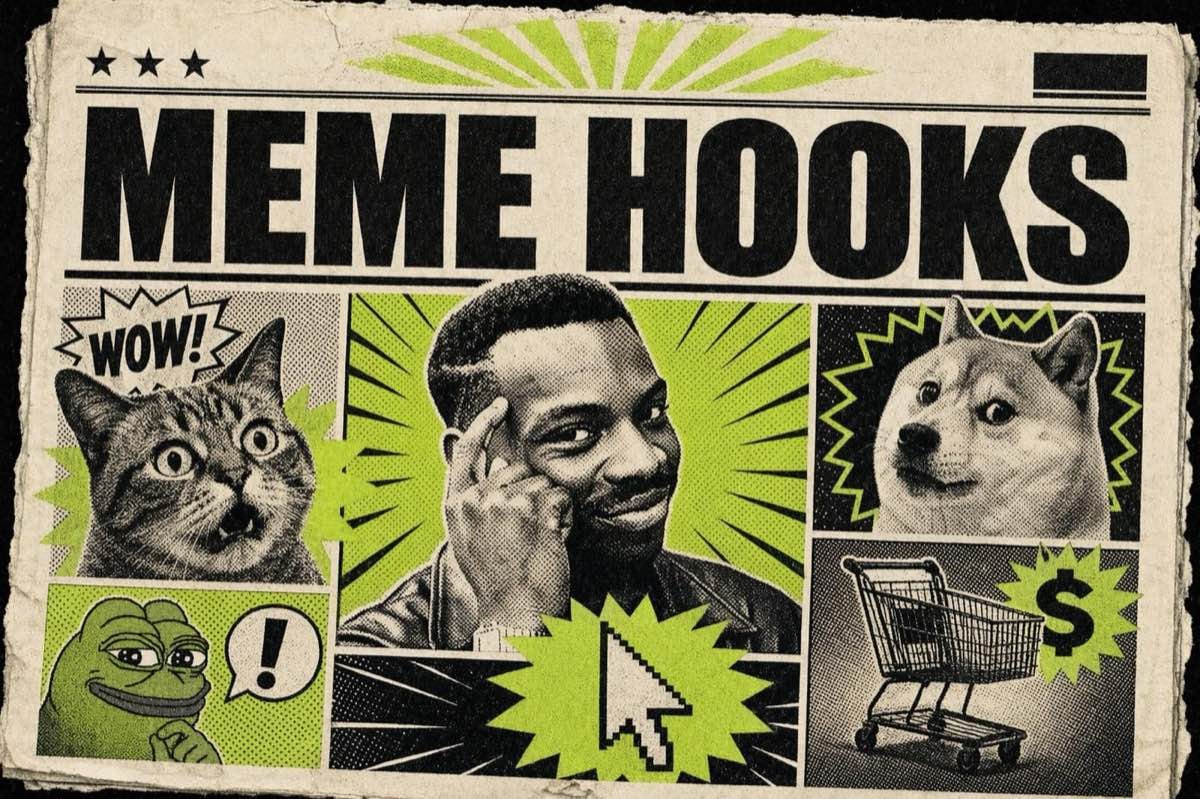
Meme-format ads use the visual language of internet memes as their creative structure. The format usually features a recognizable meme template (a reaction image, a "POV:" setup, a comparison format) with product-specific text swapped into the copy positions. Sometimes it is a native-looking image macro. Sometimes it is a short video edit that riffs on a trending sound or format.
The format is performing well for the right brands in 2026 because it earns one thing most ad creative cannot: an early laugh or recognition moment that breaks the scroll before the viewer decides whether they care about the product.
Why Meme Ads Work (When They Work)
The first 1-2 seconds of a meme ad do not feel like an ad at all. The viewer's brain processes the familiar format structure before registering that it is a brand. By the time the product context arrives, the viewer is already engaged.
This makes hook rate the standout metric for meme-format ads. The 3-second view rate tends to be notably higher than polished creative from the same account when the meme executes well. Whether that early engagement converts to clicks depends on how cleanly the creative transitions from the meme moment to the product context.
It is also an inherently shareable format. A meme that makes someone laugh can earn an organic share or tag in the comments section of the ad itself, which reduces effective CPM and creates a feedback loop that polished brand creative almost never gets.
Who Should Be Running This
Brands with a younger target audience. Meme literacy is not universal. For audiences heavily represented on Instagram and YouTube Shorts in the 18-34 age range, meme-format creative lands fluently. For audiences on Facebook who skew older, it can read as trying too hard.
Brands in categories where humor is a defensible positioning. A sexual wellness brand, a hot sauce company, a pet accessories label, a casual fashion brand, a snack food -- categories where irreverence is part of the brand DNA. A financial services brand or a medical device company faces higher risk of undermining trust with meme-format creative.
Brands with some cultural credibility in the space. A meme from a brand the audience has never heard of can feel calculated. The same meme from a brand that already has a following, or from a creator the audience follows, feels fluent.
How to Try It This Week
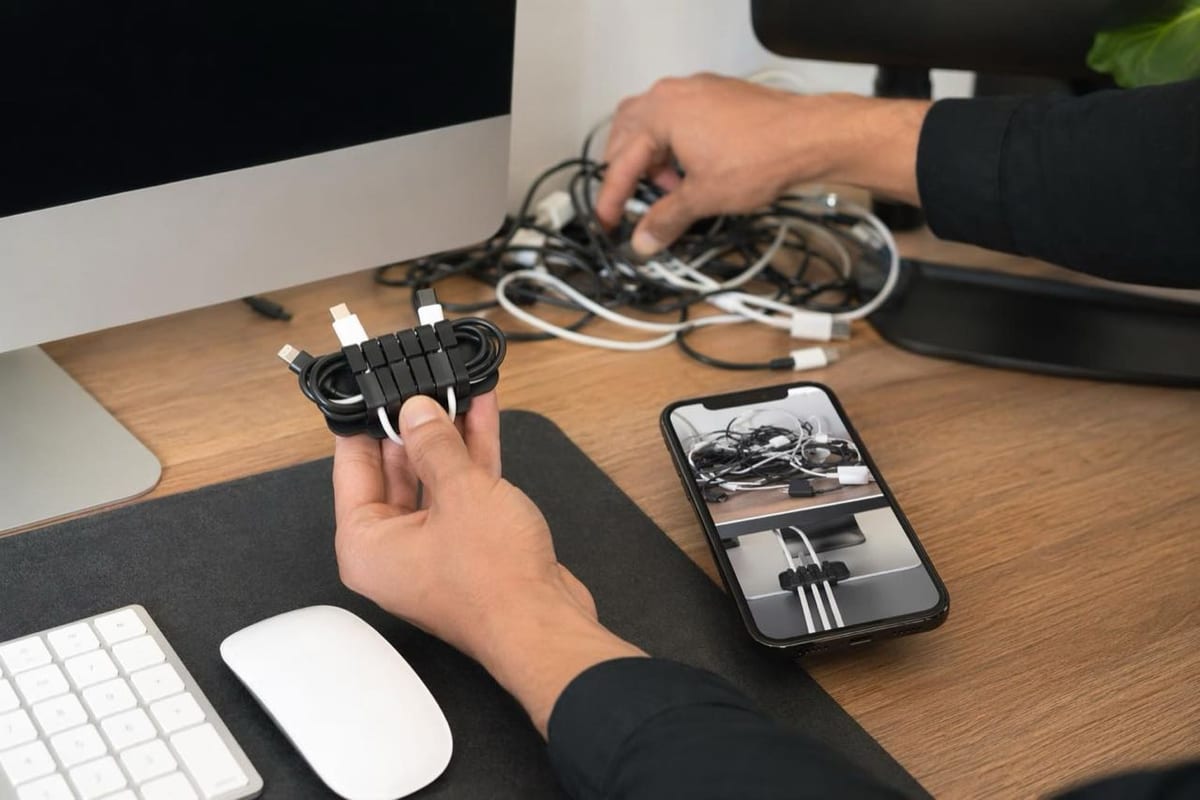
Do not start by hunting for a trending meme template. Start with your product's most specific, relatable moment of value.
For example: if you sell a cable organizer, the relatable moment is "looking at the pile of cables behind my desk and refusing to deal with it for six months." Find or create a simple image that captures that moment, put a two-line caption in the meme format ("Me every time I look behind my desk" / "Also me, 6 months later"), and add your product shot as the resolution frame.
Then test it against a straight product ad to the same audience. If the meme version earns a significantly better 3-second view rate and comparable or better CTR, you have a creative format to build out.
For a sense of which meme formats are currently active and being used in commercial contexts, Know Your Meme tracks template popularity and dates, which helps you avoid deploying a format that peaked 18 months ago.
What to Watch Out For
Outdated formats signal disconnect. A meme from 2021 deployed in mid-2026 reads immediately as a brand that is behind. Freshness is a prerequisite; if you cannot consistently stay current with format trends, a brand with limited social media awareness is better served by other creative strategies.
The meme cannot do all the work. The transition from the humorous moment to the product value proposition needs to be tight. Meme creative that is funny but does not close with a clear "and here's what to do" usually earns good engagement but poor click-through. The punchline and the CTA need to be the same thing.
Brand voice fit is non-negotiable. If your brand voice is authoritative, premium, or professional, meme-format ads will create cognitive dissonance between the ad and the brand experience the viewer finds if they click through. The format only works when it fits naturally with how the brand already communicates.
Avoid appropriating cultural moments that are not yours. Memes tied to specific communities, events, or demographics require careful judgment. A brand outside a specific cultural context can cause more harm than engagement by deploying community-specific meme formats badly.
The Current Formats Worth Knowing
In 2026, the formats consistently appearing in brand ad creative include:
- "POV:" text overlays with relatable situation framing
- Side-by-side "expectation vs. reality" or "then vs. now" formats
- Reaction video cuts where the product is the punchline
- Text-only meme cards with minimal visual design (the format popularized by meme accounts that rely on writing rather than imagery)
None of these is inherently the right choice. The right choice is the one that captures your product's most relatable moment in the format your specific audience is currently fluent in.
The AI Ad-Making Kit
$99Make hyperreal AI video and image ads for any brand, with free AI tools. No camera, no agency.
- 10 modules
- 300+ hooks
- 500+ prompts
Canva ad templates, free.
Proven D2C ad layouts. Swap in your product, export, launch.
Browse templates →Want to act on what you just read?
Browse 3,400+ free, Canva-ready ad templates sorted by industry. One click to open, five minutes to customise.
Browse Free Templates