There is a counterintuitive creative trend running in parallel with the short-video surge: longer-form ad creative is working again, particularly for high-consideration purchases.
Video Sales Letter-style ads (VSLs) -- 2 to 6-minute videos structured like a traditional direct-response sales letter -- are appearing in Meta feeds for categories like online courses, supplements, financial products, coaching programs, and high-ticket software. Alongside these, text-heavy static image ads that use small type and dense copy to walk through an argument are showing up from brands that know their audience is willing to read.
The mechanism is not new. What is new is the context in which it is working.
Why VSL Creative Is Performing Right Now
Short-form creative has become the default. Every brand is running 6-15 second videos, fast cuts, and single-frame hooks. In that environment, a 3-minute video that actually explains something stands out by contrast, and more importantly, it self-selects its audience.
A viewer who watches 60 seconds of a VSL has self-identified as someone with a real problem looking for a real solution. That signal is much stronger than someone who tapped a fast-cut Reels ad because the first frame was visually interesting. The 3-minute viewer costs more per impression to acquire, but the conversion rate downstream is meaningfully higher for considered purchases.
This is a well-documented pattern in direct-response advertising history: when the category is high-involvement (the purchase takes significant money, time, or trust), longer creative that builds an argument outperforms short creative that only creates curiosity. The internet marketing community has documented this extensively, and practitioners like the team at Copyhackers and direct-response copywriters who trained under the traditional mail-order school have written about when long copy wins.
What a VSL Ad Structure Looks Like in 2026
Modern VSL ads are not the 60-minute webinar replays that dominated Facebook in 2018. They are shorter, tighter, and acknowledge that the viewer is on a phone:
Hook (0-30 seconds): a specific problem named clearly. Not "do you want to earn more money?" but "if you are a freelance designer billing by the hour and you capped out at a certain rate you cannot seem to raise no matter how good your work gets, this video is for you."
Story or proof (30 seconds to 2 minutes): either the brand's origin story or a customer's transformation. Concrete, specific, and grounded in a detail the target audience recognizes from their own experience.
Mechanism (1-2 minutes): what is different about this product or approach. Not features, the specific reason it works when other things have not.
Offer + CTA (final 30-60 seconds): clear pricing, what is included, and exactly what to do next.
The pacing is slower than short-form creative, the audio is important (most VSL viewers watch with sound), and captions are essential for the portion who do not.
Text-Heavy Static Ads
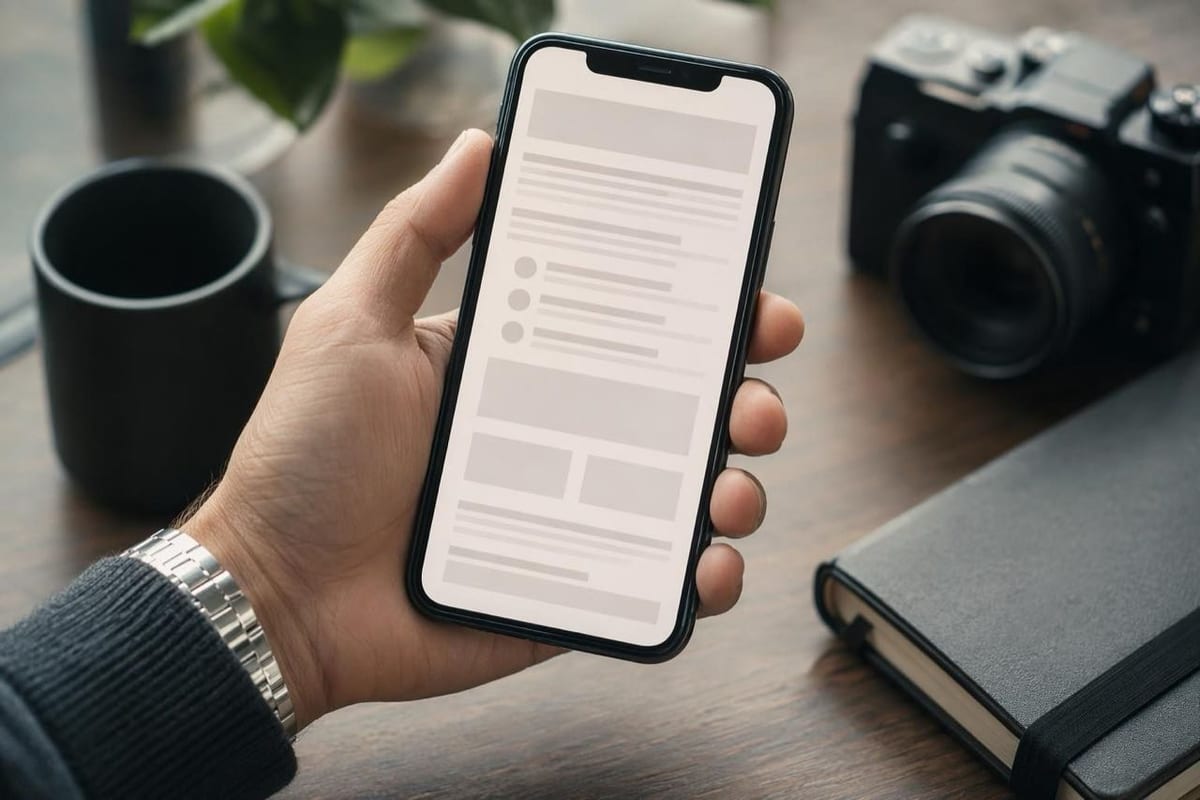
The static equivalent of VSL logic is a long-copy ad: an image or document-style creative that uses dense, small-type copy to walk through an argument in the same structure. These look almost nothing like a typical Meta ad (no hero shot, no large headline, no obvious brand design system), which is part of why they attract the right audience.
These perform best when the copy is tight and specific, structured with numbered points or sub-headers so the reader can skim and self-identify relevance, and ends with one very specific CTA. They are most commonly deployed in retargeting campaigns to audiences who have already seen the product or visited a relevant page.
Who Should Test This
High-ticket offers. A product or service priced above Rs 5,000 (or $100+ outside India) where the decision takes more than one visit. The audience needs to understand the mechanism, feel the risk is manageable, and see enough proof before they trust you with their money.
Information products, coaching, and courses. These categories have a credibility problem by default (the viewer cannot evaluate quality before buying), and longer-form creative has more room to build the argument and demonstrate expertise.
Products solving a specific, painful problem the viewer has been trying to solve for a while. The VSL format rewards an audience that is already searching for a solution and has been disappointed before. The "mechanism" section of the VSL addresses why this is different from what they have already tried.
What to Watch Out For
Do not produce a VSL for a product that does not need one. A Rs 499 product impulse buy does not need a 4-minute argument. VSL logic works for high-involvement decisions; it will confuse or bore a low-involvement purchase audience.
Hook quality still determines whether anyone sees the rest. A VSL that spends the first 30 seconds on brand introduction, slow music, and generic problem framing will be abandoned before the real content starts. The opening hook must name the specific person and specific problem immediately.
Production value matters more in VSL than in short-form UGC. If the audio is bad, the lighting is distracting, or the presenter is clearly reading off a prompter without conviction, 3 minutes is a long time for the viewer to disengage. Either invest in reasonable production or use voiceover-with-slides as an alternative.
Track view-through rates by quartile. Meta Ads Manager lets you see 25%, 50%, 75%, and 95% video completion rates. For a VSL, the progression through these quartiles tells you where the video is losing viewers, which is the basis for any edit. A big drop at 50% usually means the mechanism section is too abstract or too long.
The AI Ad-Making Kit
$99Make hyperreal AI video and image ads for any brand, with free AI tools. No camera, no agency.
- 10 modules
- 300+ hooks
- 500+ prompts
Canva ad templates, free.
Proven D2C ad layouts. Swap in your product, export, launch.
Browse templates →Want to act on what you just read?
Browse 3,400+ free, Canva-ready ad templates sorted by industry. One click to open, five minutes to customise.
Browse Free Templates