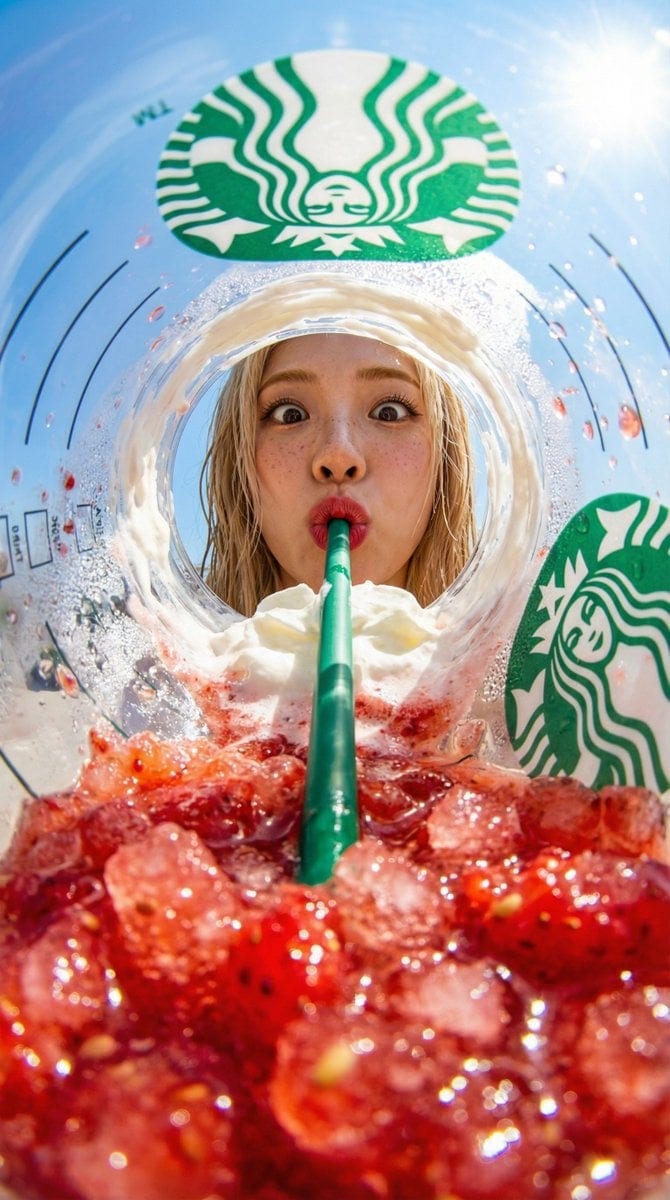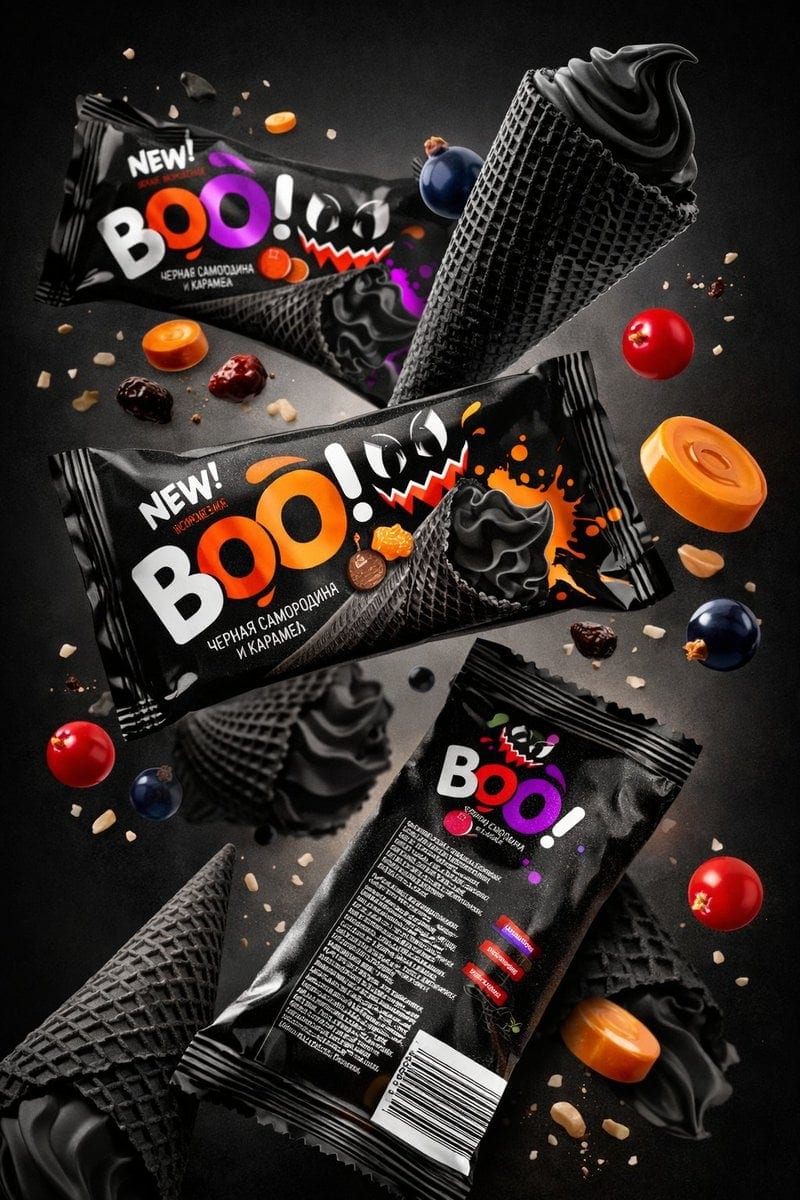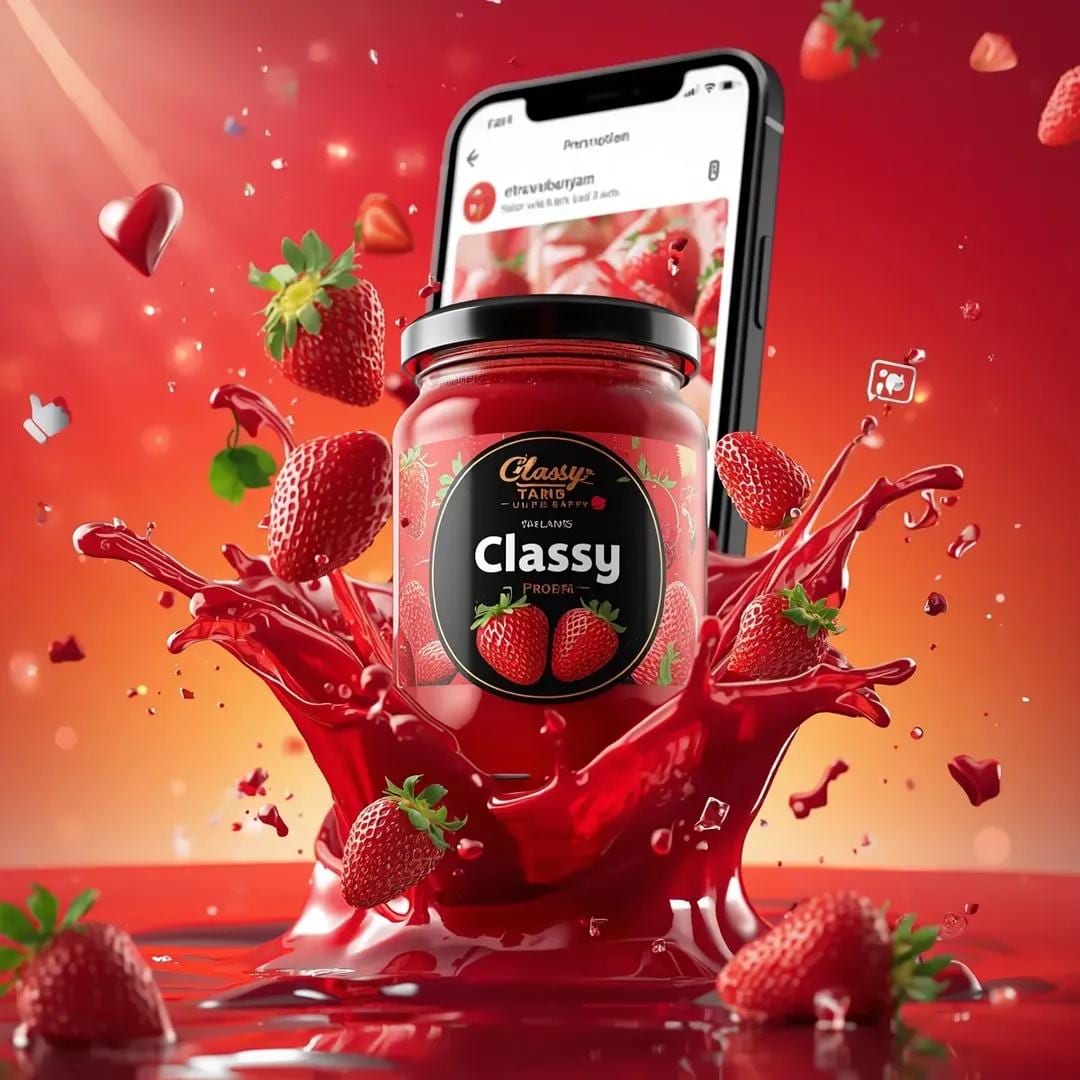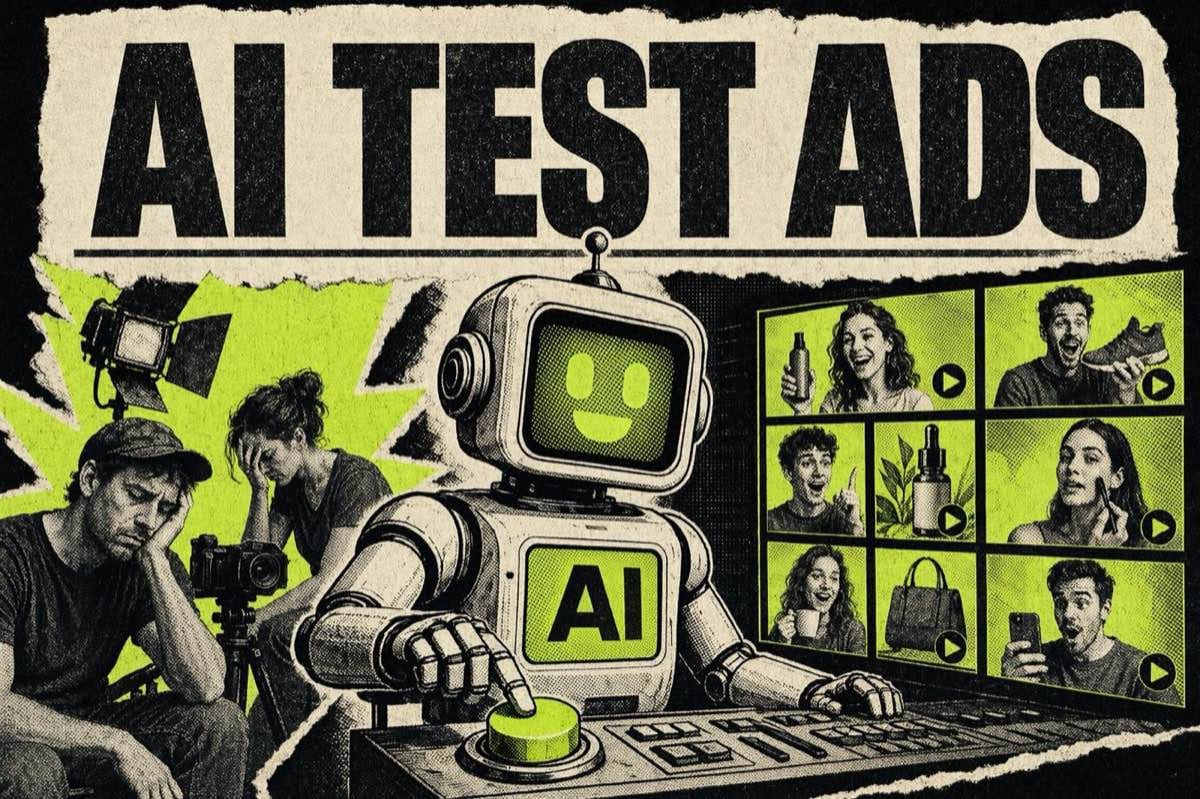
AI-generated UGC ads, videos that look like a real person reviewing a product but are built with AI avatar tools, are now showing up in Meta feeds at a volume that was not possible 18 months ago. Tools like HeyGen, Creatify, and similar platforms let brands generate a "talking head" ad from a product URL and a script, with a photorealistic avatar delivering the pitch in under 10 minutes.
The reason this is a real trend and not just a novelty: the economics of creative testing have shifted.
Why Brands Are Using It
Testing ad creative has always had a cost problem. A real UGC creator charges anywhere from a few thousand rupees to tens of thousands per video, and turnaround time is measured in days. If you want to test 10 different hook angles with 3 avatar variations each, you are looking at a significant budget just to figure out which creative direction is worth scaling.
AI-generated UGC short-circuits that cost. A brand can produce 10-20 video variants in a morning, test them against a real audience at low spend, identify which hook angle is resonating, and then bring in a real human creator to shoot the polished version of the winner. The AI test is not the finished product; it is the research.
That use case, AI for rapid ideation and hypothesis testing before human production, is where the format is genuinely useful right now.
Who Is Using It
Direct-to-consumer e-commerce brands with high creative volume needs are the primary adopters. Categories like supplements, skincare, pet products, and home goods tend to cycle through creative quickly because their audiences and competitors are all running at high frequency. For these brands, AI-generated variants reduce the cost of staying fresh.
Agencies managing multiple client accounts are also using AI UGC to scale creative production across accounts without proportionally scaling their creator relationships.
How to Try It This Week
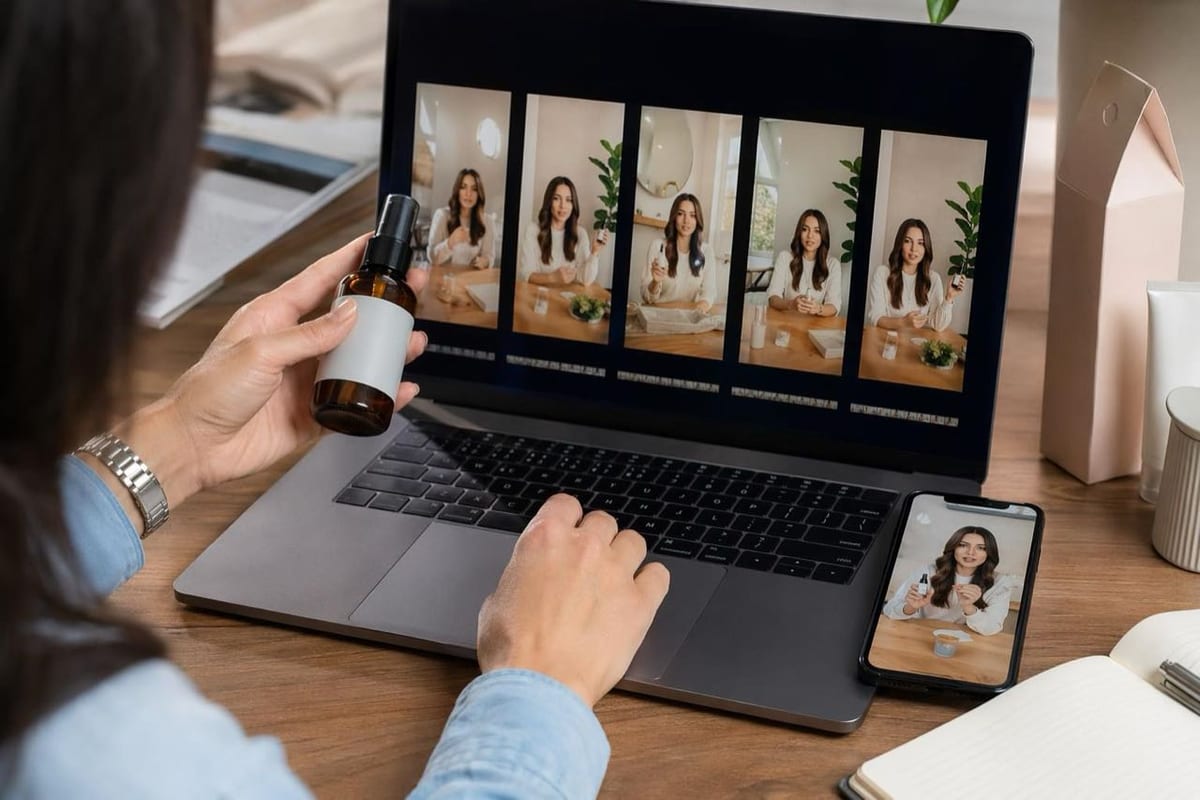
Tools with free or low-cost tiers to start with include:
- HeyGen (heygen.com) -- avatar video generation from a script; supports multiple avatar styles
- Creatify (creatify.ai) -- URL-to-video ad generator; designed specifically for e-commerce
- Arcads (arcads.ai) -- focuses on UGC-style ad creative from AI actors
The practical starting point: write 5 different hook scripts for one product (5 different opening lines, same body and CTA). Generate a version of each using one AI avatar. Run all 5 as individual ad variations at low daily spend. In 3-5 days of delivery, you have hook-level data without committing a creator budget to any angle that might not work.
What to Watch Out For
Platform detection and policy. Meta currently requires disclosure when AI-generated synthetic media appears in political ads, but the policy for commercial ads is still evolving. Track facebook.com/policies/ads for updates, especially the synthetic media section.
Audience response varies. Some audiences respond well to AI avatars; others notice the uncanny quality and disengage. This varies by product category, audience age, and how polished the avatar looks. Measure hook rate carefully alongside CTR when testing.
Do not skip the real creator step. AI-generated UGC consistently underperforms human creator content at scale in most categories, particularly for warm or purchase-intent audiences who are evaluating trust before buying. Use AI to find the angle; use a real human to scale the winner.
Legal and attribution questions. If you are using an avatar built to look like a real person or a specific demographic, review the terms of service of the tool you are using and how they represent model consent. This area is still developing legally.
What to Watch Going Forward
Meta's AI Creative tools are moving toward native avatar-based ad generation inside Ads Manager itself. When Meta builds this capability directly into the platform, the barrier to AI UGC drops further. Watch the Meta for Business blog for product announcements on AI creative features.
The brands that build a testing system around AI creative now, with clear protocols for how AI-generated variants feed into human creative briefs, will have a structural cost advantage as the format matures.
The AI Ad-Making Kit
$99Make hyperreal AI video and image ads for any brand, with free AI tools. No camera, no agency.
- 10 modules
- 300+ hooks
- 500+ prompts
Canva ad templates, free.
Proven D2C ad layouts. Swap in your product, export, launch.
Browse templates →Want to act on what you just read?
Browse 3,400+ free, Canva-ready ad templates sorted by industry. One click to open, five minutes to customise.
Browse Free Templates