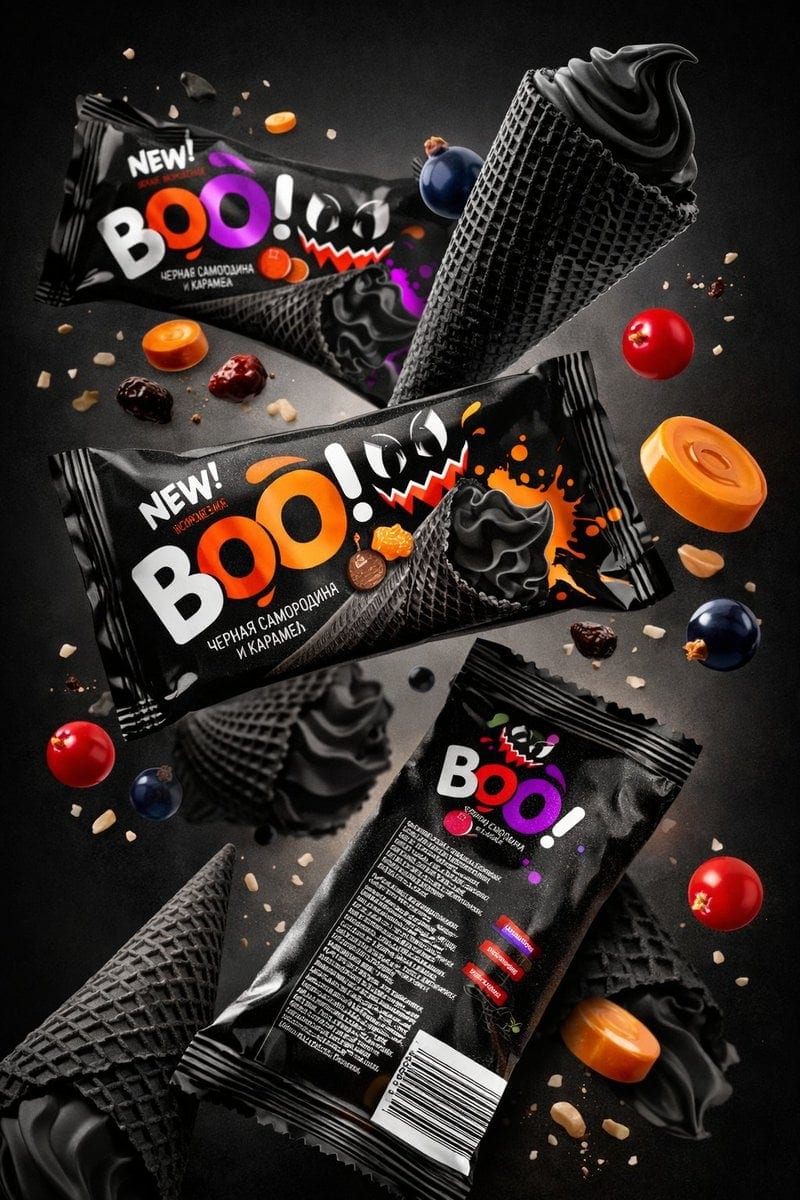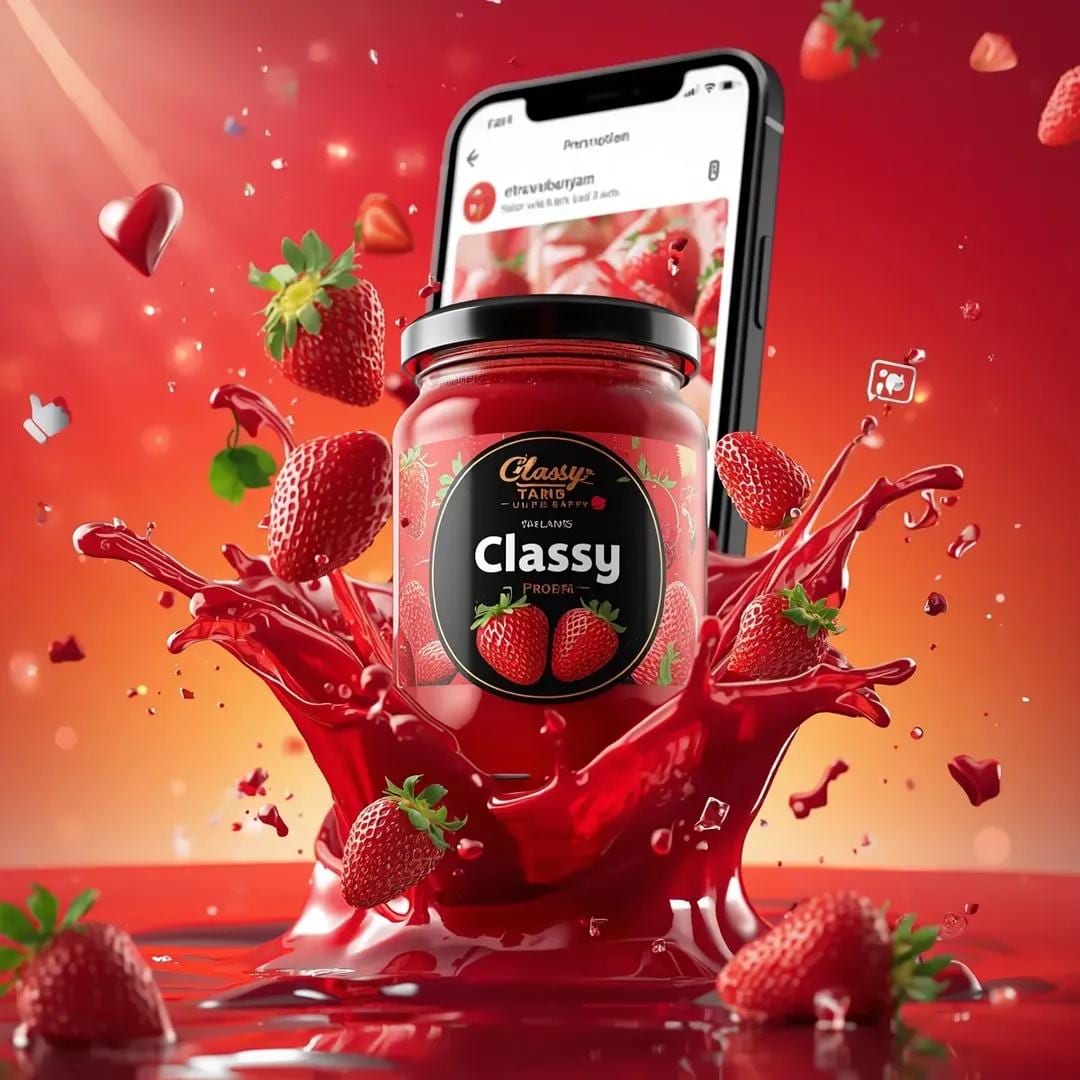
Same product, two UGC ads. The first is a clean feature demo. The second reframes the product as an emotional-support object — the thing you reach for on a hard day, the thing you and your friends talk about. The second one converts better, and it's worth understanding why.
People share feelings, not features
A demo answers "what does it do?" An emotional angle answers "who am I when I use this?" The second question is the one that drives shares, saves, and purchases, because identity is stickier than utility. The feature demo informs; the emotional angle belongs to the viewer.
The "girls'-night" framing does two jobs
Framing the product inside a social moment — a girls' night, a group chat, a shared ritual — does two things at once:
- It gives social proof without a single testimonial card. If her friends are into it, it must be good.
- It gives context of use. The viewer now pictures a specific moment they'd reach for it, which is far more motivating than a spec sheet.
Why demos still have a place
Demos aren't dead — they win for high-consideration or technical products where the buyer's real question is "does it actually work?" The mistake is defaulting to a demo for an emotional, identity-driven product. Match the angle to the buying motive.
What to steal
- For identity products, sell who they become, not what it does.
- Wrap the product in a social moment to get proof and context for free.
- Reserve the feature demo for when the honest objection is "will this work?"
Test both angles on your next product. The winner tells you what your buyer is actually buying.
The AI Ad-Making Kit
$99Make hyperreal AI video and image ads for any brand, with free AI tools. No camera, no agency.
- 10 modules
- 300+ hooks
- 500+ prompts
Canva ad templates, free.
Proven D2C ad layouts. Swap in your product, export, launch.
Browse templates →Want to act on what you just read?
Browse 3,400+ free, Canva-ready ad templates sorted by industry. One click to open, five minutes to customise.
Browse Free Templates