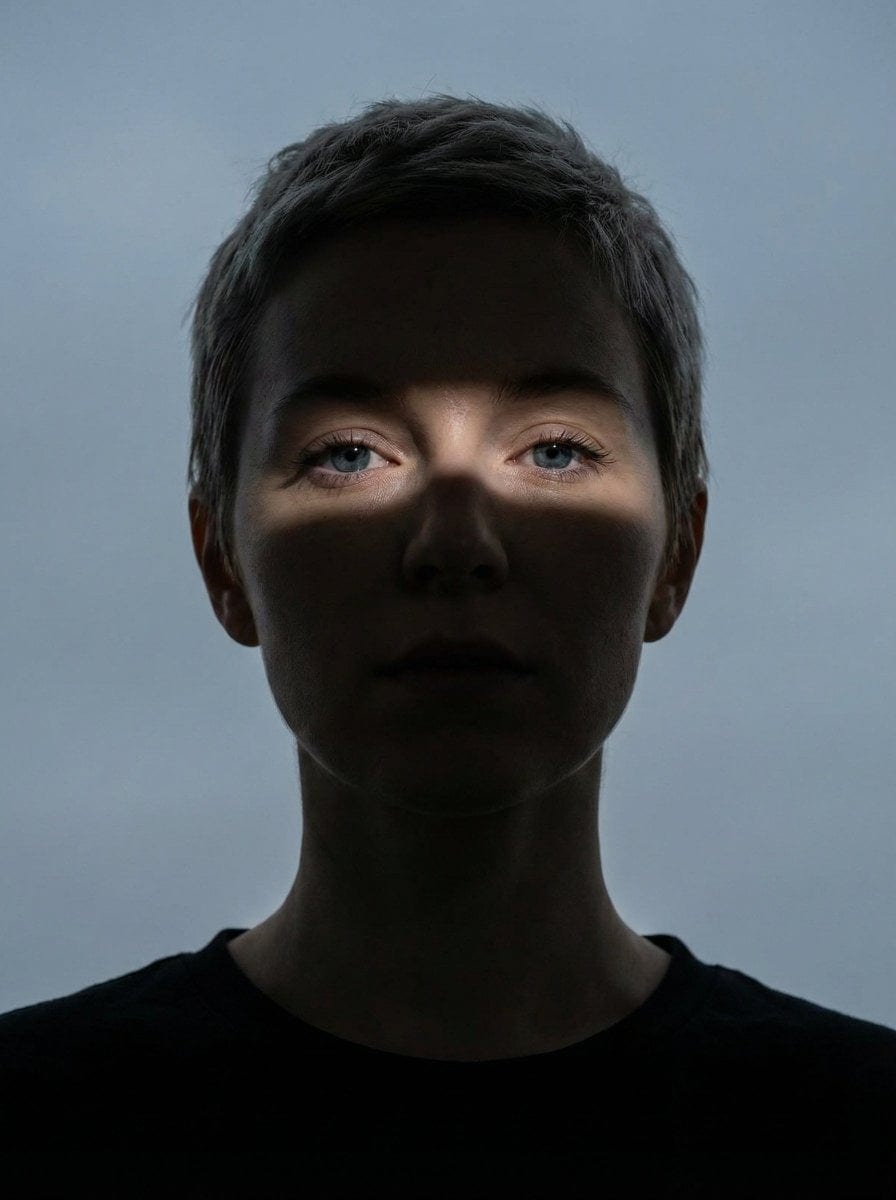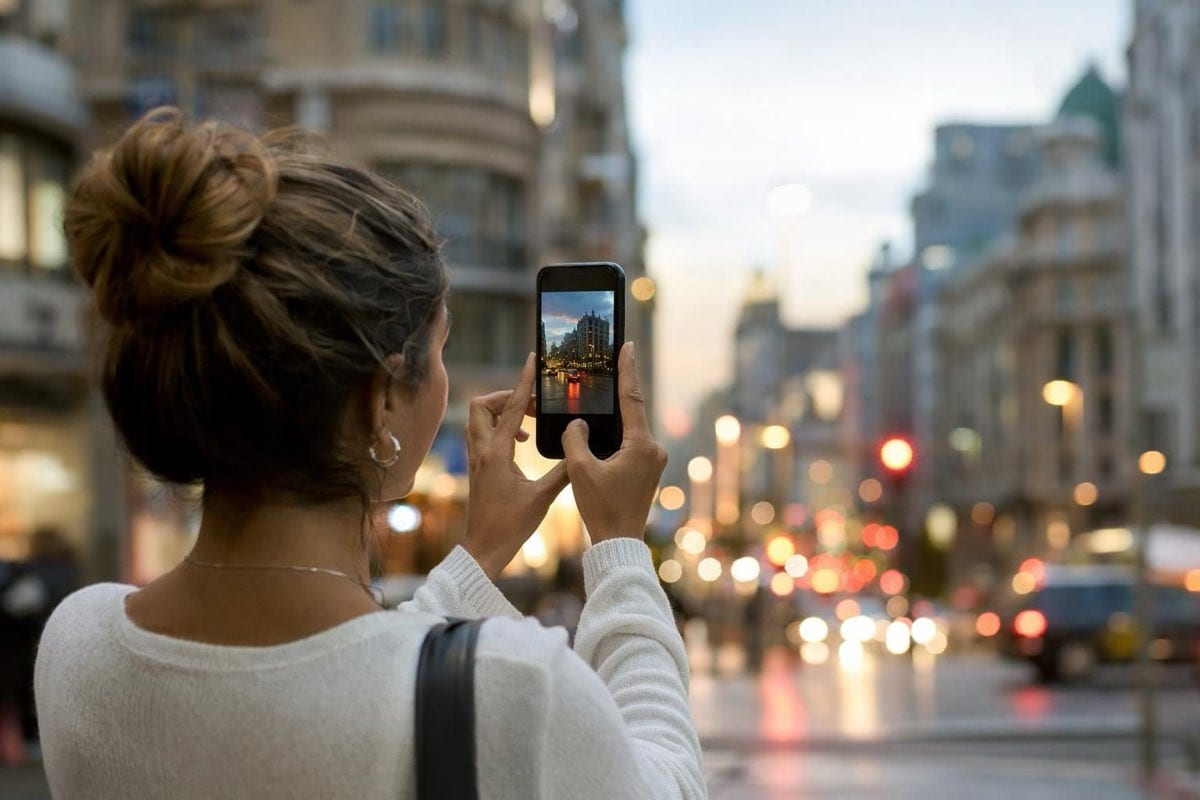
Apple has one of the largest advertising budgets in the world. And their most effective multi-year campaign was built from photos taken by regular customers.
Shot on iPhone started in 2015 as a response to a specific market pressure. Here is how it worked, and why the mechanics are directly applicable to any brand running creative today.
The Context
In 2014, critics and reviewers began publishing comparisons showing that the iPhone 6 camera was underperforming rivals like Samsung and HTC in low-light conditions. The conversation was gaining traction in tech media and spilling into consumer awareness.
Rather than run a spec-comparison ad, Apple chose a different strategy: show what real people were making with the camera. They solicited photos from iPhone users on social media and public submissions. The best ones went on billboards, bus shelters, magazine spreads, and eventually a full campaign across 25 countries.
The campaign launched globally in 2015. Apple's own case materials, covered by The Guardian, noted that it was running in 70 cities across 25 countries with 162 images selected from submissions.
The Hook: Let the Output Do the Talking
Traditional product demos show the product. Shot on iPhone showed what the product produces.
This is a critical distinction. A camera spec sheet tells you the aperture, the megapixel count, the stabilization rating. A billboard-sized photo taken by a 14-year-old in a small town in Ohio tells you something much faster: this camera makes ordinary people look like photographers.
The hook is the image itself. Not a tagline. Not a celebrity. A real photo with a six-word credit in the corner: "Shot on iPhone. [Name], [Country]."
The mechanism underneath this is outcome proof at the point of encounter. The viewer doesn't need to imagine what the product does. They're looking at it. This is the most direct form of product demonstration possible: show a result so good that the product's capability is self-evident.
The Mechanism: Social Proof + Aspiration + Humility
Three things are happening simultaneously in the Shot on iPhone format.
Social proof. Real people took these photos. Not professional photographers with lighting rigs and post-production budgets. The attribution text tells you the photographer's name and country, which signals: this is achievable. If the photographer had been anonymous, it would feel like a trick. The credit makes it verifiable.
Aspiration. The photos Apple selected were genuinely beautiful. Arctic landscapes, street portraits, silhouettes at golden hour. Seeing your potential output elevated this far is aspirational in a way that a spec sheet can never be. Viewers don't see "great camera." They see "I could take photos like that."
Brand humility. Apple placed their logo in the corner of someone else's photo. That's a remarkable act of creative restraint for a brand that normally controls every visual pixel of its communication. The humility of the placement actually reinforced trust: if Apple is willing to let a random user's aesthetic lead the ad, the product must be genuinely good.
Why This Format Converts (and When)

The Shot on iPhone format works for a specific type of product: one where the output is the proof. Cameras are the obvious case. But the same mechanic applies to:
- Food products, where a finished dish is the outcome
- Fitness products, where a transformation is the outcome
- Design tools, where a finished piece is the outcome
- Skincare, where skin clarity or texture is the outcome
In each case, showing a real person's real result is more credible than any studio-produced "after" image. The viewer's implicit question ("would this work for someone like me?") gets answered before they can ask it.
The format does not work as well for products with intangible benefits (insurance, software interfaces, financial services), where the "output" can't be shown in a single image.
The UGC Connection
Shot on iPhone predates the term "UGC creative strategy" in performance marketing. But that's exactly what it is: real content from real users, selected and amplified by the brand.
What Apple did that most brands don't is the curation layer. They didn't post everything. They selected the images that showed the camera at its ceiling and found photographers whose aesthetic was already strong. The curation makes the creative look like art rather than random customer photos.
For a brand running UGC on Meta or Instagram today:
- Brief creators toward showing the output, not describing the product. "Show us what you made with this" beats "tell us what you like about this."
- Curate aggressively. 80% of what you receive won't be usable. The 20% that is should be striking enough to stand alone without a caption.
- Credit the creator visibly. The name in the corner is not a legal requirement : it's a trust signal. It says the brand respects the creator and isn't hiding who made this.
How to Steal This Structure
You do not need 162 images or a global billboard budget. You need a system.
Step 1 : Brief for outcomes. When you ask customers for content, give them a specific prompt: "Show us [product name] making [outcome] in real life." Be specific about the outcome, not the product.
Step 2 : Create a submission mechanism. A hashtag, a direct email, a Google Form. Make it easy to submit. Apple used a hashtag (#ShotoniPhone) that also served as organic social content.
Step 3 : Curate, not aggregate. Pull the three to five images where the outcome is undeniably good. Use those in your paid creative. Let the rest live organically.
Step 4 : Credit the creator. In the creative, in the caption, in the alt text. The attribution is part of what makes the format trustworthy.
Step 5 : Test without the logo first. See if the image performs on its own merits. If it does, the brand attribution you add is reinforcement, not a crutch.
Frequently Asked Questions
What was Apple's Shot on iPhone campaign?
Shot on iPhone was a global advertising campaign Apple launched in 2015 to showcase the photography capabilities of iPhone 6. It used real photos submitted by iPhone users, displayed on billboards in 70 cities across 25 countries. Coverage from launch: The Guardian, Fast Company.
Why did Apple use customer photos instead of professional photography?
The campaign was developed partly in response to criticism of iPhone 6's camera quality. Using real, unretouched customer photos was a direct rebuttal: if ordinary people are producing images this good, the camera must be capable. Professional photos would have undermined that credibility.
How do I run a Shot on iPhone-style UGC campaign on a small budget?
Start with a hashtag campaign and a clear brief: tell customers exactly what outcome to capture. Offer a feature (on your feed or in an email) rather than a prize : creators often value visibility over cash. Curate ruthlessly: use only images where the output is compelling enough to stand alone. Then test the best three in a Meta or Reels creative rotation.
What products does this type of outcome-proof creative work best for?
Any product where the result is visible and shareable. Food, fitness, skincare, photography, home design, crafts, cooking tools. Products with intangible or delayed benefits (supplements, financial services) require a different approach because the "output" can't be shown in a single image.
For more campaign and ad breakdowns, visit the teardowns library. To generate your own UGC briefs and creative angles, try the free AI ad generator.
The AI Ad-Making Kit
$99Make hyperreal AI video and image ads for any brand, with free AI tools. No camera, no agency.
- 10 modules
- 300+ hooks
- 500+ prompts
Canva ad templates, free.
Proven D2C ad layouts. Swap in your product, export, launch.
Browse templates →Want to act on what you just read?
Browse 3,400+ free, Canva-ready ad templates sorted by industry. One click to open, five minutes to customise.
Browse Free Templates