I still remember the night my friend Sarah called me, nearly in tears. Her Shopify store was struggling. Despite beautiful products and competitive prices, sales had flatlined for months. "I've tried everything," she sighed. Six months later, her store's revenue had tripled. What changed? She finally implemented marketing strategies that actually worked for 2024's unique e-commerce landscape.
Her story isn't unusual. Many store owners find themselves stuck in outdated marketing approaches while the digital marketplace evolves around them. Having worked with dozens of Shopify store owners over the years, I've seen firsthand which strategies truly move the needle. Let me share what's working right now.
Social Shopping: Where Browsing Becomes Buying
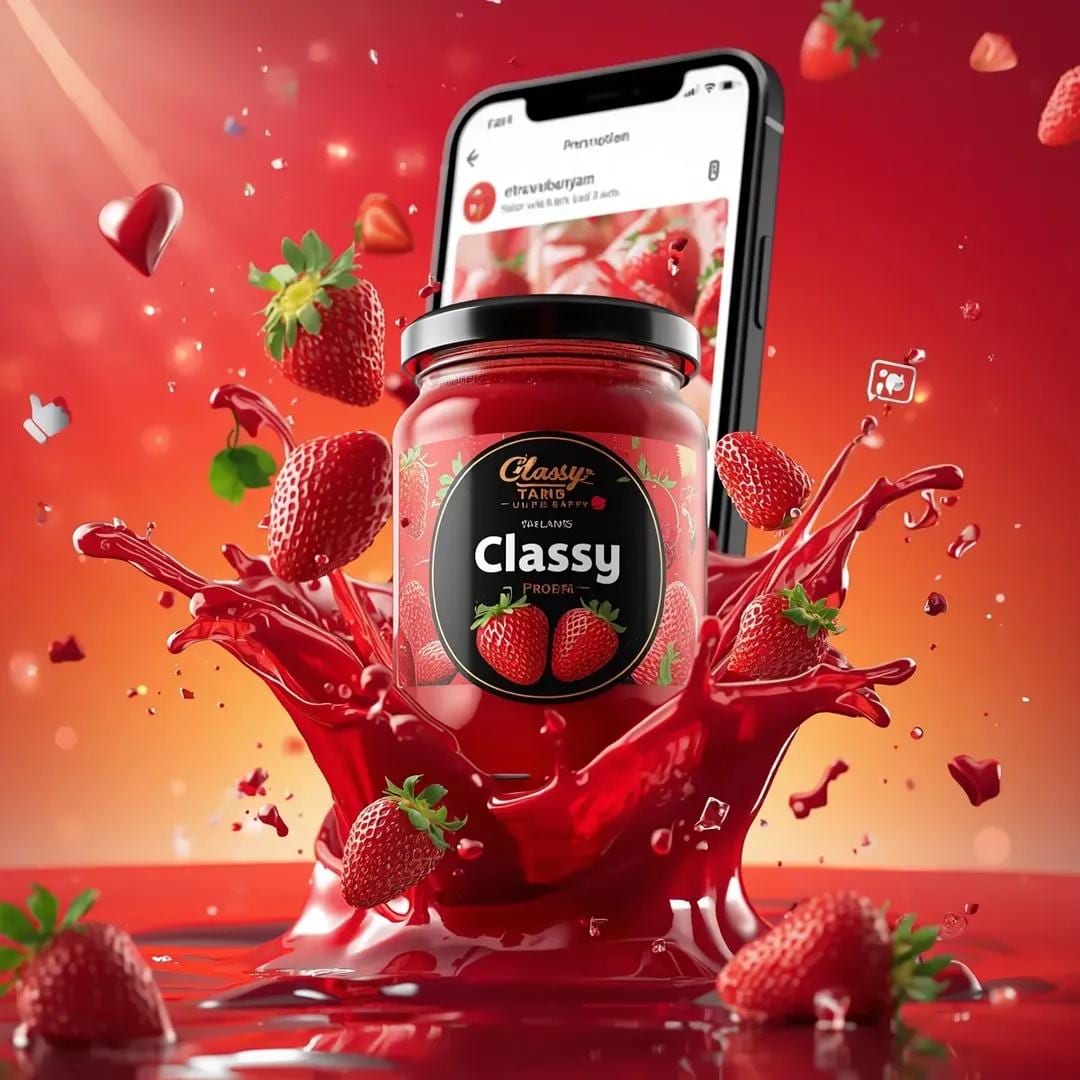
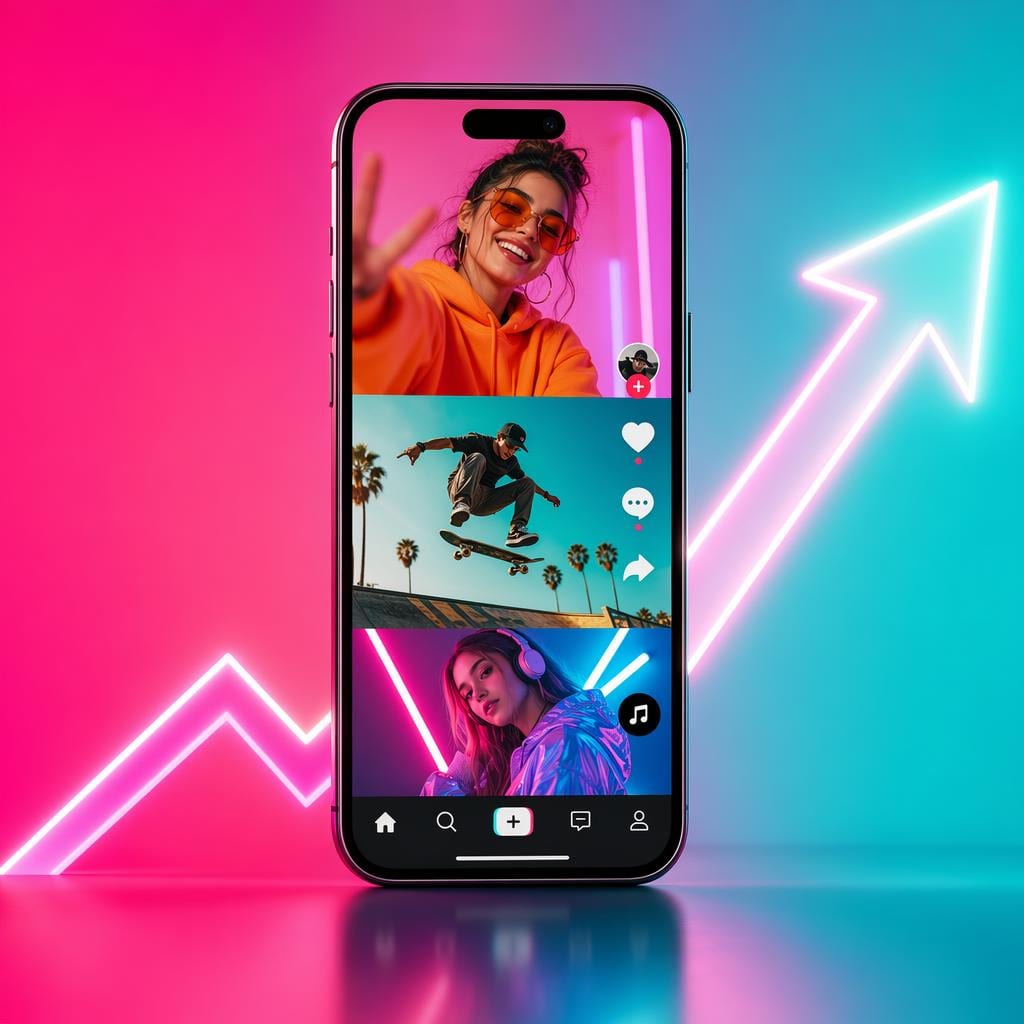
"I never thought people would actually buy directly through Instagram," Tom told me last month. His handcrafted leather goods business had maintained a decent social following for years, but he'd been skeptical about social commerce. After reluctantly setting up Instagram Shopping and TikTok Shop integration, his tune changed completely.
His first week brought in more sales than the entire previous month. Why? Because social commerce removes friction. When someone falls in love with your product while scrolling, they don't want to click through multiple pages to complete a purchase. They want it now.
To make this work for your store:
- Focus on creating genuinely scroll-stopping product photos and videos.
- Write descriptions that speak directly to the pain points and desires of your audience.
- Test which products perform best on each platform – what sells on Facebook often differs from TikTok bestsellers.
- Update your product feed regularly to keep content fresh.
One small business owner I know dedicates Monday mornings to refreshing her social product listings. "It's become my most profitable weekly habit," she says.
Personalization That Makes Customers Feel Seen
Last summer, I received an email from a skincare brand I'd purchased from once before. The subject line mentioned my specific skin concern (which I'd indicated in a post-purchase survey). Inside was a personalized regimen recommendation and educational content specifically about combination skin. I bought immediately.
This level of personalization isn't just nice – it's becoming expected. Shopify stores that treat all visitors identically are leaving serious money on the table.
Start by segmenting your audience based on:
- Purchase history (first-time vs. repeat customers).
- Product category interests.
- Geographic location.
- Referral source.
Even basic personalization efforts yield impressive results. One footwear store I consulted with saw a 31% revenue increase after simply showing different homepage banners to returning customers versus new visitors.
Voice Search: The Quiet Traffic Revolution
"Hey Siri, where can I buy sustainable yoga mats?"
If your product descriptions and content aren't optimized for questions like this, you're missing out on a growing segment of shoppers. Voice search queries have a distinctive pattern – they're conversational, question-based, and often location-specific.
When revamping your SEO strategy, consider:
- How would someone verbally ask about your products?
- What questions might they have before purchasing?
- What local terms might they include if relevant?
One home goods retailer I worked with created an extensive FAQ section structured around common voice queries. Within three months, they saw a 22% increase in organic traffic from mobile devices – much of it from voice search.
Video Content That Connects and Converts
"I'm not comfortable on camera," Jenny told me when I suggested video marketing for her artisanal soap company. Six months later, her informal, slightly awkward process videos showing how she makes her soaps have become her biggest sales driver. The authenticity connected with customers in a way polished content never could.
The most effective Shopify stores in 2024 are creating video content that:
- Shows products in action, demonstrating real benefits.
- Tells the story behind the product or brand.
- Answers common questions or concerns.
- Provides genuine value (tutorials, tips, ideas) beyond just selling.
Start small. A 30-second product demonstration shot on your phone can outperform an expensive production that feels corporate. What matters is relevance and authenticity.
Augmented Reality: Trying Before Buying
Remember when ordering furniture online felt like a huge gamble? "Will this actually fit in my living room?" AR features have transformed that experience.
A home decor client implemented Shopify's AR features last fall. Their customers can now visualize how a lamp, rug, or table would look in their actual space. Returns dropped by 17% almost immediately, while conversion rates climbed.
AR implementation makes the most sense for:
- Furniture and home decor.
- Wall art.
- Eyewear and accessories.
- Cosmetics (virtual try-on).
The technology has become surprisingly accessible, even for smaller stores. The key is highlighting the feature prominently – many customers don't realize they can virtually "place" products in their space.
Email Marketing: The ROI Champion
Despite flashier marketing channels emerging yearly, email remains the workhorse of successful e-commerce businesses. With proper segmentation and automation, it delivers the highest return on investment of any digital channel.
I recently analyzed the marketing efforts of a specialty tea company. Their social media content was creative and engaging, generating thousands of likes. Yet when we traced actual sales, their simple three-email abandoned cart sequence generated 11x more revenue than all social channels combined.
Focus on building these essential automated sequences:
- Welcome series for new subscribers.
- Abandoned cart recovery.
- Post-purchase follow-up and education.
- Re-engagement for inactive customers.
The magic happens in the details. Personalize subject lines, send at optimal times, and always provide value beyond just asking for the sale.
Values-Based Connection: Marketing With Meaning
"I never thought talking about our manufacturing ethics would impact sales," admitted Carlos, who runs a sustainable clothing brand. After my encouragement, he created content showcasing his factory's fair labor practices and sustainable materials sourcing. Customer response was overwhelming.
Today's consumers increasingly filter purchasing decisions through their values. This isn't just for obviously "ethical" categories like sustainable products – it applies across all verticals.
Consider highlighting:
- Your company's origin story and mission.
- Ethical sourcing or manufacturing practices.
- Environmental initiatives.
- Community involvement or charitable partnerships.
One jewelry brand I advised saw a 34% conversion rate increase after adding a simple "Our Impact" page detailing their ethical metal sourcing and local craftsmanship.
User-Generated Content: Your Most Convincing Sales Team
The most persuasive marketing rarely comes from brands themselves. It comes from satisfied customers showing how products fit into their real lives.
A furniture company I worked with was struggling to convey the quality of their tables online. We implemented a strategy to collect and feature customer photos. The authentic images of their tables in real homes – some perfectly styled, others delightfully lived-in – dramatically outperformed their professional product photography in A/B tests.
To leverage UGC effectively:
- Create branded hashtags customers can use.
- Send post-purchase emails specifically requesting photos or videos.
- Offer incentives for sharing (discounts, features, contests).
- Display UGC prominently on product pages, not just social media.
The beauty of UGC is that it continuously refreshes your visual content while building community around your brand.
Conclusion
The most common mistake I see Shopify store owners make is chasing tactics without an overarching strategy. Before implementing any of these approaches, clarify:
- Who exactly are you trying to reach?
- What meaningful problem do your products solve for them?
- Why should they choose you over alternatives?
With these foundations in place, select the strategies most aligned with your specific business model and customer base. Start with one or two, implement thoroughly, measure results, and then expand.
As Sarah discovered after our work together, the right marketing strategies don't just increase sales – they transform businesses. Her Shopify store now supports three employees, and she finally has the freedom and income she dreamed of when first launching her business.
FAQs
Q1: How much should I budget for Shopify marketing when starting out?
A: Start with 20-30% of your expected revenue. Focus on email marketing and social media first, then expand to paid advertising as you identify profitable channels.
Q2: Which social platform gives the best ROI for Shopify stores?
A: It depends on your products. Instagram and TikTok excel for visual products, while Facebook performs better for considered purchases with longer sales cycles.
Q3: How often should I email my customers?
A: For most stores, 1-2 emails weekly strikes the right balance. Focus on value over frequency - send when you have something genuinely helpful or exciting to share.
Q4: Is it worth investing in professional product photography?
The AI Ad-Making Kit
$99Make hyperreal AI video and image ads for any brand, with free AI tools. No camera, no agency.
- 10 modules
- 300+ hooks
- 500+ prompts
Canva ad templates, free.
Proven D2C ad layouts. Swap in your product, export, launch.
Browse templates →Want to act on what you just read?
Browse 3,400+ free, Canva-ready ad templates sorted by industry. One click to open, five minutes to customise.
Browse Free Templates